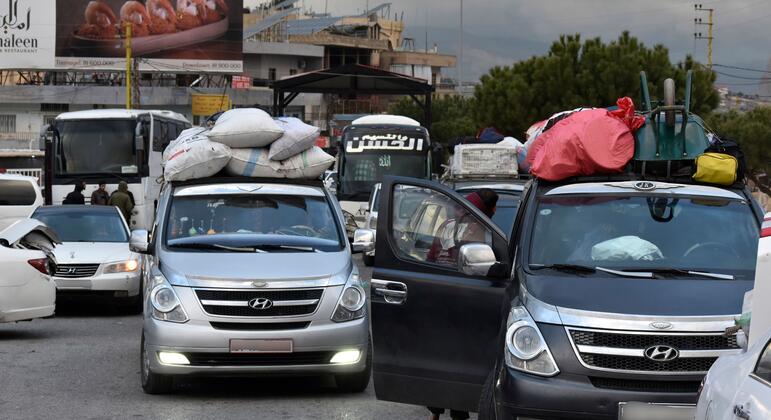

Nearly 700,000 Displaced in Lebanon: The Escalation of the Middle East Crisis
Introduction
The current geopolitical landscape in the Middle East has reached unprecedented levels of tension, leading to a humanitarian crisis that has seen nearly 700,000 individuals displaced in Lebanon alone. This alarming statistic is not just a number; it represents thousands of shattered lives, disrupted families, and uncertain futures. Understanding the causes, impacts, and potential solutions to this crisis is essential for appreciating the broader implications in the region and beyond.
Background: The Roots of Displacement in Lebanon
Lebanon has a complex history that contributes to its current instability. A melting pot of cultures, religions, and political affiliations, the nation has struggled with internal and external conflicts for decades. The Syrian Civil War, which began in 2011, has been a significant catalyst for displacement in the region. Many Syrians fled to neighboring Lebanon to escape violence, leading to severe pressures on the nation’s resources.
The Syrian Refugee Crisis
Lebanon hosts over 1.5 million Syrian refugees, according to various United Nations estimates. This influx has strained public services, such as healthcare and education, which have been further exacerbated by Lebanon’s own economic struggles. The Lebanese economy has been in free fall since 2019, worsening the prevailing humanitarian challenges.
Escalation of the Current Crisis
Recent Events Leading to Displacement
The recent escalation in violence; from military confrontations to political upheavals, has exacerbated the already critical situation in Lebanon. Events catalyzed by regional conflicts have led to fear and uncertainty among the population, prompting many to leave their homes in search of safety.
Political Tensions
Political instability in Lebanon has roots that extend beyond its borders. The involvement of foreign powers in the Middle East has magnified Lebanon’s struggles. The ongoing tensions between Israel and Hezbollah, coupled with differing international interests in Syria and Iran, have severely affected Lebanon’s internal security and cohesion.
The Humanitarian Impact of Displacement
The impact on individuals and families has been devastating. When people are displaced, it leads to a host of challenges ranging from shelter and food insecurity to mental health issues. The Lebanese Red Cross and various humanitarian organizations are struggling to meet the overwhelming needs of the displaced populations.
Health Crisis
Healthcare facilities, often underfunded and overwhelmed, are now dealing with an influx of patients who require emergency care. The COVID-19 pandemic further exacerbated these challenges, leading to increased vulnerability among displaced individuals.
Access to Education
Children are particularly affected. With classrooms overcrowded and resources stretched thin, many children are deprived of a quality education, jeopardizing their future and perpetuating the cycle of poverty and instability.
Community Responses to the Crisis
Local Initiatives and NGOs
Local NGOs and community-driven organizations are stepping in to fill the gaps left by governmental failures. They provide essential services such as food distribution, psychological support, and educational programs. However, these efforts are often limited by funding and a lack of resources.
Global Support
International aid has become increasingly crucial. Governments and organizations worldwide have called for assistance in addressing the crisis, although challenges remain in effectively distributing aid to those in need.
Long-Term Solutions to Address Displacement
Policies for Stabilization
Addressing the root causes of displacement requires comprehensive policies that tackle both the immediate needs and long-term solutions. This includes fostering political stability, economic development, and social cohesion in Lebanon.
International Collaboration
A unified approach among Middle Eastern countries and global powers is fundamental for long-term peace in the region. This could include diplomatic efforts to ease tensions, economic partnerships to bolster stability, and comprehensive refugee policies to ensure humane treatment of displaced individuals.
Sustainable Development Goals
Aligning aid with the United Nations Sustainable Development Goals (SDGs) can offer a roadmap for recovery. These goals focus on inclusive growth, with an emphasis on equitable resource distribution, social justice, and environmental sustainability.
Conclusion
The crisis in Lebanon, marked by the displacement of nearly 700,000 individuals, serves as a stark reminder of the fragility of peace in the Middle East. As conflicts escalate and humanitarian needs grow, the situation requires urgent and concerted efforts from both local and international actors. While the challenges are daunting, targeted strategies and a focus on collaboration can pave the way for a more stable future for Lebanon and the region at large.
Call to Action
As global citizens, we must remain vigilant and informed. Engaging in advocacy, donating to humanitarian causes, and raising awareness of the plight faced by displaced individuals in Lebanon and beyond can make a difference. By standing in solidarity with those affected, we can help forge paths toward recovery and peace in the Middle East.
FAQs
What are the main causes of displacement in Lebanon?
The primary causes include the Syrian Civil War, political instability in Lebanon, and external geopolitical tensions within the region.
How can individuals help the displaced population in Lebanon?
Individuals can support local NGOs, advocate for policies that support refugees, and raise awareness about the crisis through social media and community events.
What role do international organizations play in addressing this crisis?
International organizations provide humanitarian aid and support local initiatives, helping to meet the immediate needs of the displaced population while advocating for long-term solutions.
Are the displaced individuals receiving adequate healthcare and educational support?
Due to the overwhelming number of displaced individuals and strained public resources, many do not receive adequate healthcare or educational support, making their situation increasingly precarious.
What are the prospects for the future of displaced individuals in Lebanon?
The future is uncertain, but focused and collaborative efforts at local, national, and international levels can contribute to stability and support for displaced populations.
For more details and the full reference, visit the source link below:
Read the complete article here: https://news.un.org/feed/view/en/story/2026/03/1167098