
Title: The Middle East War: Attacks on Vital Healthcare and Evacuation Strike Fears
Introduction
The Middle East has been a focal point for conflict for decades, with recent escalations in violence causing unprecedented humanitarian crises. Central to this turmoil is the alarming trend of attacks on vital healthcare facilities, exacerbating the plight of civilians caught in the crossfire. This article explores the implications of these attacks and the surrounding fears related to evacuation strikes, shedding light on the dire situation in the region.
Historical Context
The Roots of Conflict
Understanding the current situation in the Middle East requires a historical lens. Wars and conflicts in the region have origins that date back to colonialism and post-colonial power dynamics, religious tensions, and border disputes. These deep-seated issues often manifest in brutal conflicts, leading to various stakeholders vying for control and influence.
Recent Escalations
In recent years, ongoing tensions have escalated, leading to military confrontations in countries like Syria, Yemen, and Iraq. These conflicts often spill over borders, affecting neighboring nations and leading to widespread instability. In the latest phases of these conflicts, healthcare infrastructure has become an unintended target, putting civilian lives at risk.
The Attack on Healthcare Facilities
A Systematic Target
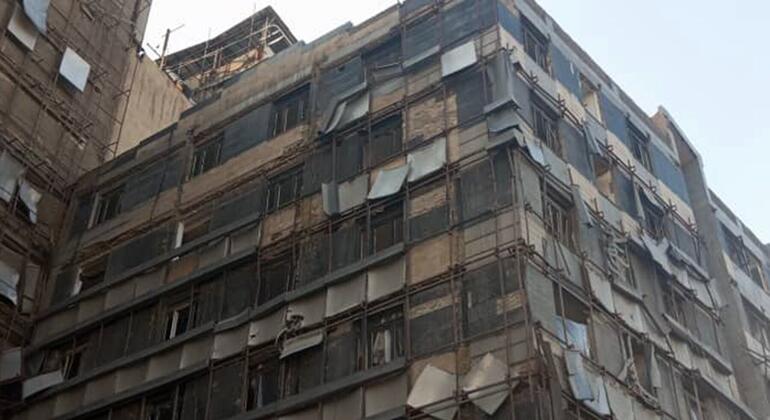
Healthcare facilities have faced systematic attacks during military operations, with numerous hospitals and clinics destroyed or rendered unusable. According to reports, there have been thousands of documented incidents where healthcare facilities in conflict zones have come under fire. This trend raises serious ethical and legal questions regarding the rules of warfare.
Impacts on Civilians
The impact of these attacks is staggering. Civilians, already vulnerable due to armed conflict, find themselves without access to lifesaving medical services, vaccination programs, and maternal health care. The World Health Organization has reported a significant rise in preventable diseases as routine health services are disrupted.
Psychological Trauma
In addition to physical harm, the psychological impact of attacks on healthcare is profound. Many civilians experience heightened anxiety and trauma, fearing for their lives and the lives of their loved ones. Healthcare professionals are also at risk, often facing impossible choices about whether to continue providing care amid active conflict.
Evacuation Strike Fears
The Dilemma of Evacuation
With healthcare facilities under constant threat, the need for evacuation becomes paramount. However, the fears associated with evacuation strikes complicate this process. Civilians may hesitate to leave their homes or seek medical assistance due to the risk of being targeted during evacuations.
Historical Precedents
Recent history is replete with instances where evacuation attempts have ended tragically. High-profile incidents have documented evacuating groups being struck by missiles, resulting in significant loss of life. These events instill deep fear in communities, making people more reluctant to seek necessary healthcare services.
Safe Zones
Attempts to establish safe zones or corridors for evacuations often prove ineffective. Political disagreements, lack of enforcement, and ongoing military operations can render these zones untenable, leaving civilians vulnerable and exposed.
International Response
Humanitarian Aid
The international response to the situation has mostly focused on humanitarian aid. Organizations like the Red Cross and various NGOs have tirelessly worked to provide medical assistance and supplies to affected populations. However, the challenges they face are immense. Blockades, bureaucratic hurdles, and ongoing conflict often hinder their efforts.
Calls for Accountability
There is a growing call from the international community for accountability concerning attacks on healthcare facilities. Advocacy groups and human rights organizations are pressing for investigations and sanctions against parties involved in these violations. However, until significant political will is established, accountability remains elusive.
Peace Initiatives
Diplomatic efforts to bring about lasting peace have repeatedly stalled. Many nations and organizations are involved in complex negotiations, but the lack of a unified approach complicates the potential for resolution. Sustainable peace is essential for rebuilding healthcare infrastructure and ensuring civilian safety.
The Role of Media
Raising Awareness
Media coverage plays a crucial role in raising awareness about the plight of civilians and healthcare facilities in conflict zones. Journalists often bring to light individual stories that can mobilize public opinion and prompt action from policymakers.
Challenges in Reporting
However, reporting from war zones is fraught with challenges. Journalists risk their lives to document atrocities and can face censorship or retaliation. The difficulty in accessing accurate information can lead to distorted perceptions of the situation.
Future Implications
Ongoing Conflict
As the Middle East continues to grapple with internal and external conflicts, the future of healthcare and civilian safety remains uncertain. Without significant intervention and rebuilding, countries may descend further into chaos.
Innovation in Healthcare Delivery
Despite the grim outlook, there are innovative solutions emerging in healthcare delivery, such as telemedicine and mobile clinics. These approaches can help bridge gaps in services, especially in areas inaccessible due to conflict.
The Importance of Global Solidarity
Navigating this complex scenario requires global solidarity. Citizens from various nations must advocate for policy changes that prioritize humanitarian needs and hold violators accountable. Global awareness and activism could influence change on the ground.
Conclusion
The ongoing wars in the Middle East have dramatically affected healthcare and civilian safety, with systematic attacks on facilities and growing fears surrounding evacuation strikes. As the international community grapples with these challenges, it is vital to focus on advocacy, the delivery of humanitarian aid, and calls for accountability. Only through concerted efforts can we hope to bring relief to the millions suffering from the consequences of conflict and create a foundation for lasting peace in the Middle East.
For more details and the full reference, visit the source link below:
Read the complete article here: https://news.un.org/feed/view/en/story/2026/03/1167208