
Middle East Live: Uncertainty Grows in the Strait of Hormuz – April 20th
Introduction
As of April 20, 2023, the geopolitical landscape of the Middle East remains tense, particularly in the strategically crucial waterway known as the Strait of Hormuz. This narrow passage is not only vital for global oil shipments but also a hotspot for military and political maneuvering. Recent events have heightened concerns over security and stability in this region, which has significant implications for international trade and diplomatic relations.
Geopolitical Importance of the Strait of Hormuz
A Global Trade Corridor
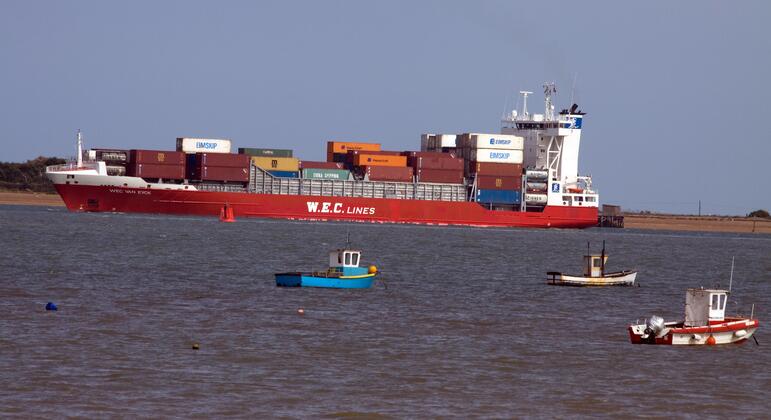
The Strait of Hormuz serves as a critical junction through which approximately 20% of the world’s oil passes. Given its vital role in global energy supply, any disruption in this waterway could have far-reaching effects on oil prices and, by extension, the global economy. Nations such as Iran, Iraq, Saudi Arabia, and the United Arab Emirates rely heavily on this waterway for their oil exports.
Military Presence and Tensions
Countries with vested interests in the region, including the United States, have maintained a significant military presence in and around the Strait of Hormuz to ensure the safety of maritime navigation. However, this military presence can also act as a double-edged sword, often escalating tensions between Iran and Western nations.
Current Situation: Rising Tensions
Recent Incidents
In recent weeks, there have been multiple maritime incidents that have contributed to the increasing uncertainty in the Strait of Hormuz. Iranian naval forces have reportedly harassed commercial vessels, leading to heightened alerts for shipping companies operating in the area. Moreover, military exercises conducted by the Iranian Navy have raised eyebrows, signaling a potential escalation in their strategic posturing.
Diplomatic Struggles
Diplomatic efforts to de-escalate tensions have so far been ineffective. The 2015 nuclear deal with Iran remains a point of contention, and ongoing sanctions have only intensified hostilities. With both sides reluctant to compromise, the chances of opening channels for peaceful dialogue seem bleak.
The Role of Regional Players
Iran: A Defiant Stance
Iran has adopted a defiance strategy, demonstrating its military capabilities through maritime drills and aggressive naval maneuvers. The country sees the Strait of Hormuz as a matter of national pride and sovereignty, leading to a hardline approach against perceived threats from the United States and its allies.
Saudi Arabia and Gulf Cooperation Council (GCC)
Saudi Arabia and other Gulf states are on high alert, realizing that instability in the Strait of Hormuz directly threatens their economic interests. The GCC has expressed a commitment to security cooperation with the United States, reinforcing collective defense arrangements to deter Iranian aggression.
Economic Implications
Impact on Oil Prices
Geopolitical uncertainty in the Strait of Hormuz has profound implications for global oil prices. Analysts predict that any flare-up in the region could lead to a spike in oil prices, resulting in higher transportation costs and inflation across various economies. Business and trade leaders are closely monitoring the situation to adjust their supply chain strategies accordingly.
Global Markets Reactions
Global markets have shown increased volatility as traders react to potential disruptions in oil supplies. Investors are on alert, continuously evaluating risks associated with Middle Eastern geopolitics. This uncertainty affects not only oil stocks but also other sectors reliant on stable energy prices.
The Future: What Lies Ahead?
Short-term Predictions
In the immediate term, the environment in the Strait of Hormuz is likely to remain volatile. Both Iran and the U.S. show no signs of backing down, suggesting a precarious standoff. Geopolitical analysts forecast that small-scale confrontations may become more frequent as both sides seek to assert their dominance.
Long-term Considerations
In the long term, the situation calls for a reevaluation of diplomatic strategies. Some experts advocate for renewed dialogue channels that could pave the way for a more peaceful resolution, albeit with major obstacles. Regional powers must also assume greater responsibility for creating a balanced approach to security and stability.
Conclusion
As of April 20, 2023, uncertainty looms large in the Strait of Hormuz, a crucial corridor that holds significant geopolitical and economic implications. The interplay between military posturing, diplomatic standoffs, and economic concerns continues to shape the future of this vital waterway. Stakeholders must engage in dialogue and rethink their strategies to foster a peaceful resolution. Given the complexity of the situation, vigilance is crucial as we navigate this turbulent geopolitical landscape.
For more details and the full reference, visit the source link below:
Read the complete article here: https://news.un.org/feed/view/en/story/2026/04/1167333