
Middle East: Fighting and Displacement in Lebanon; Call for ‘Sustained Access’ in Gaza
Introduction
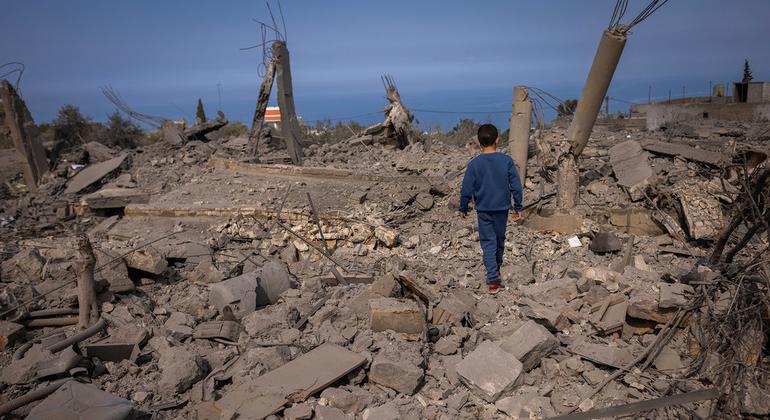
The Middle East remains a region fraught with conflict, humanitarian crises, and the displacement of millions. Recently, Lebanon has become a focal point of both fighting and displacement, while Gaza continues to grapple with the urgent need for sustained humanitarian access. This article delves into the current situation in Lebanon and Gaza, examining the complexities and challenges faced by the regions’ populations.
Background on Lebanon’s Ongoing Strife
Lebanon has historically been a mosaic of cultures but has also been a hotspot for conflict. With the Syrian Civil War spilling over its borders, Lebanon has seen an influx of refugees, leading to a complex humanitarian situation. The internal dynamics of Lebanon, including sectarian divides and economic distress, have exacerbated the crisis, making it even more challenging for displaced populations to find stability.
Sectarian Tensions and Violence
Lebanon’s multi-sectarian landscape is a double-edged sword. While it provides a rich cultural tapestry, it often serves as the backdrop for violent clashes. Groups with differing ideologies vie for power, often leading to street fights and armed confrontations. These conflicts have not only resulted in casualties but have also displaced many families, forcing them to flee from their homes in search of safety.
Displacement and Refugee Crisis
Lebanon currently hosts the highest number of refugees per capita in the world, primarily due to the influx of Syrians. The United Nations High Commissioner for Refugees (UNHCR) estimates that around 1.5 million Syrian refugees reside in Lebanon, stretching the country’s already limited resources. Many live in precarious conditions, with limited access to basic services like healthcare, education, and employment.
The economic crisis further complicates this situation. Lebanon’s financial collapse has led to soaring inflation and unemployment rates, making life even harder for both locals and refugees. The resultant strain on public services has sparked tensions between communities, leading to further displacement and a cycle of violence.
Humanitarian Impact: A Call for Action
Given the dire circumstances, there is an urgent need for international intervention. Humanitarian organizations are calling for sustained access to aid for displaced individuals in Lebanon. Access to healthcare, food, and shelter is critical for both refugees and Lebanese citizens alike.
The Role of Humanitarian Organizations
Organizations like the International Committee of the Red Cross (ICRC) and Médecins Sans Frontières (Doctors Without Borders) are working tirelessly to provide immediate relief. However, the scale of the crisis demands a coordinated global response. Sustained funding and support from the international community are crucial to alleviate the suffering faced by displaced individuals.
The Importance of Political Stability
A holistic approach to the crisis must include efforts to achieve political stability. Lebanon’s political landscape is mired in dysfunction, which complicates humanitarian efforts. Efforts for conflict resolution must prioritize dialogue among various factions to foster a united front against violence and displacement.
Gaza: A Humanitarian Catastrophe
While Lebanon grapples with its unique challenges, Gaza is experiencing its own humanitarian catastrophe marked by violence, blockade, and a call for sustained access to aid.
Historical Context of Gaza’s Struggles
Gaza has long been affected by conflict, particularly due to the ongoing Israeli-Palestinian tensions. The blockade imposed by Israel and Egypt has further deteriorated living conditions for the Gazan population. Basic necessities such as food, clean water, and medical supplies are in short supply, making daily life a struggle.
Recent Escalations and Violence
Each military escalation in Gaza brings about devastating consequences. Recent conflicts have resulted in high civilian casualties and widespread destruction of homes and infrastructure. As people flee their neighborhoods to seek shelter, displacement becomes an all-too-common reality.
The Call for Sustained Access
Humanitarian organizations are emphasizing the necessity for ‘sustained access’ to Gaza. This term refers to the need for consistent and unimpeded delivery of humanitarian aid. Without this, the already dire humanitarian situation will continue to deteriorate further.
Challenges to Humanitarian Access in Gaza
Blockades and Restrictions
The ongoing blockade significantly hampers humanitarian efforts. While occasional ceasefires may allow for some relief, sustained humanitarian access is essential for meaningful help. Aid workers often find themselves facing bureaucratic hurdles and security risks, making it difficult to provide necessary assistance.
International Response
The international community must step up its efforts to address these challenges. Diplomatic channels need to be opened to create a conducive environment for humanitarian work. Countries and organizations must come together to facilitate and monitor the flow of aid to ensure that it reaches those in need.
The Road Ahead: Solutions and Hope
Creating Dialogue
A multi-faceted approach, involving dialogue between conflicting parties in both Lebanon and Gaza, is crucial for achieving long-term solutions. Peace talks guided by international mediators can help address the root causes of violence and displacement.
Infrastructure Development in Lebanon and Gaza
Investing in infrastructure is vital for rebuilding communities and providing essential services. Whether it’s schools, healthcare facilities, or housing, robust infrastructure can promote stability and offer hope to displaced families.
Strengthening the Humanitarian Response
Strengthening the local and international response to the humanitarian crises in Lebanon and Gaza is paramount. Increased funding and resources can facilitate better service delivery and support for those in need. International partnerships can enhance capacity-building initiatives for local organizations.
Conclusion
The crises in Lebanon and Gaza illustrate the intricate web of conflict, violence, and humanitarian needs in the Middle East. As fighting continues and displacement escalates, the global community must respond with urgency and compassion. By advocating for sustained access to humanitarian aid, promoting dialogue, and investing in infrastructure, there remains hope for a better future for the displaced populations in these regions. Only through collaborative efforts can we pave the way for peace and stability in the Middle East.
For more details and the full reference, visit the source link below:
Read the complete article here: https://news.un.org/feed/view/en/story/2026/05/1167437