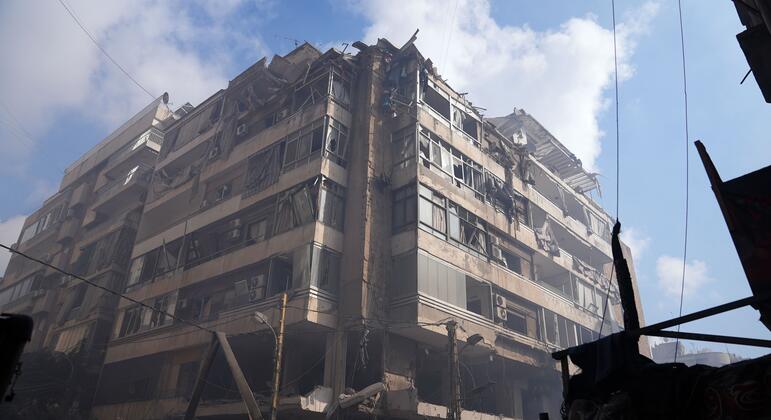

Deadly Weekend in Lebanon: A Deep Dive
Overview of Recent Events
In recent days, Lebanon has been rocked by violence that has left multiple casualties in its wake. This situation is compounded by ongoing tensions in Gaza, making the Middle East a focal point for international concern. This article aims to provide a comprehensive overview of the major events that transpired over the weekend, analyzing the implications for Lebanon, its neighbors, and the broader Middle East.
Background: Understanding the Context
Lebanon is no stranger to violence. The country has been plagued by political instability, sectarian divisions, and external influences for decades. The situation in Gaza adds another layer of complexity, as ongoing hostilities between Israel and Palestinian factions continue to escalate tensions in the region.
The Historical Burden
Lebanon’s history of civil war and sectarian conflict has set the stage for its current vulnerabilities. The nation remains divided along various lines, and these divisions have been exploited by both internal and external actors seeking power. The rise of various militia groups has added to the instability, making it a hotbed for conflict.
The Recent Violence in Lebanon
What Happened Over the Weekend?
Over the weekend, clashes erupted in various parts of Lebanon, particularly in Beirut. The violence was reportedly sparked by political disagreements but quickly escalated into broader conflicts involving armed groups. Local authorities indicate that several parties were involved, leading to a chaotic situation that left numerous individuals dead and many more injured.
Impact on Civilians
The violence doesn’t just affect those directly involved; it also has dire consequences for ordinary Lebanese citizens. Many families are now dealing with the trauma of lives lost, property damaged, and profound psychological scars. Hospitals are overwhelmed, and the ongoing strife poses a significant challenge for the country’s already fragile health infrastructure.
The Situation in Gaza: Continued Violence
Background on Gaza’s Crisis
Gaza has faced a protracted humanitarian crisis, compounded by the ongoing blockade and military operations. Violence in Gaza has escalated, with frequent airstrikes and retaliatory attacks leading to heavy casualties on both sides. The situation is dire, as civilians pay the price for the conflict.
Recent Events in Gaza
Over the weekend, violence surged as militant groups launched rockets towards Israel, which in turn responded with airstrikes. Casualties were reported on both sides, including children, which added to the international condemnation of the ongoing hostilities. The cycle of retaliatory violence illustrates a dire need for renewed diplomatic efforts.
Implications for Regional Stability
Lebanon’s Political Landscape
The recent violence has implications for Lebanon’s delicate political landscape. The country’s fragile governance structure may be tested as different factions vie for power amidst chaos. With ongoing economic crises and humanitarian needs, the government’s inability to maintain order has led to growing public discontent.
The Broader Regional Impact
The conflict in Gaza reverberates throughout the Middle East. Neighboring countries, including Syria and Israel, are on high alert. The escalation of violence has the potential to lead to wider regional conflicts, drawing in various actors ranging from state militaries to non-state armed groups.
International Response
Humanitarian Aid
As violence continues, humanitarian organizations are stepping up efforts to address urgent needs. However, access to affected areas remains a significant hurdle, exacerbated by security concerns. Donor countries must come together to provide the necessary support while ensuring that aid reaches those in need.
Diplomatic Efforts
International actors have called for de-escalation of violence. Multilateral talks involving key stakeholders are crucial for finding a lasting peace in both Lebanon and Gaza. Diplomatic solutions must prioritize the rights and safety of civilians, paving the way for long-term stability.
What Lies Ahead?
Long-Term Solutions
Finding solutions to the crises in Lebanon and Gaza requires a multifaceted approach. Economic development, political stability, and social cohesion are vital for ensuring that peace is sustainable. Engaging local communities and rebuilding trust between rival factions will be essential steps forward.
The Role of Civil Society
Lebanese civil society organizations have a critical role to play in healing and reconciliation. Grassroots initiatives focusing on dialogue and understanding among different sects can help foster a more inclusive environment where peace is possible.
Conclusion: A Call for Action
The deadly weekend in Lebanon and the continuous violence in Gaza illustrate a pressing need for action on multiple fronts. International actors, regional stakeholders, and local communities must collaborate to pave the way for peace and stability in the region. As the situation continues to unfold, the hope for a brighter future hangs by a thread, relying on collective efforts to address the root causes of conflict.
Final Thoughts
The crises in Lebanon and Gaza remind us of the fragility of peace in the Middle East. While the road ahead is fraught with challenges, the potential for change is also within reach. It is crucial for everyone involved to work toward a peaceful resolution, respecting the dignity and humanity of all individuals affected by the violence.
For more details and the full reference, visit the source link below:
Read the complete article here: https://news.un.org/feed/view/en/story/2026/05/1167483