
Mali: Guterres Calls for International Solutions to Curb the Spread of Violent Extremism in the Sahel
Introduction
Mali, one of the key countries in the Sahel region of West Africa, has been grappling with a significant surge in violent extremism for over a decade. The ongoing conflict, highlighted by the rise of militant groups and intercommunal violence, has rendered vast areas of the country unstable. Recently, UN Secretary-General António Guterres emphasized the urgent need for international cooperation and innovative solutions to address this pressing issue, urging the global community to commit resources and strategies to curb the spread of violent extremism in Mali and the broader Sahel region.
The Sahel: A Region in Crisis
Demographic and Economic Challenges
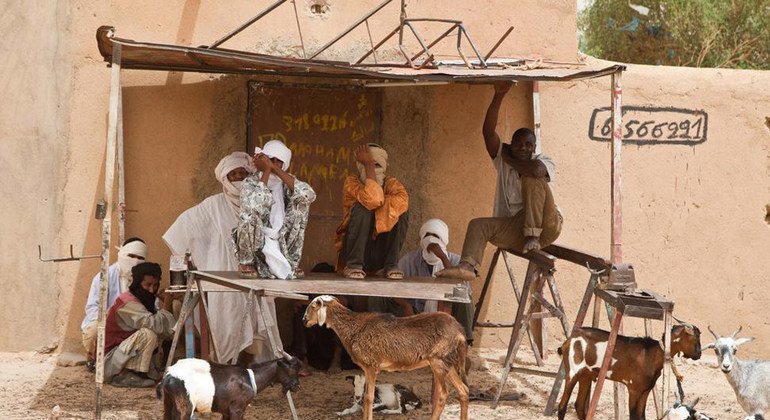
The Sahel, a semi-arid region encompassing parts of West Africa, has faced numerous challenges, including poverty, climate change, and demographic pressures. It is home to over 300 million people who often depend on agriculture and pastoralism for their livelihoods. However, recurring droughts and desertification have exacerbated food insecurity, making communities more vulnerable to radicalization by extremist groups.
The Emergence of Violent Extremism
The collapse of governance and security structures in Mali has facilitated the rise of violent extremist organizations (VEOs) such as al-Qaeda in the Islamic Maghreb (AQIM) and ISIS affiliates. These groups exploit local grievances and recruit disillusioned youth, further destabilizing the region. The South’s government struggles to maintain authority amid challenges posed by these groups, leading to a cycle of violence that has claimed thousands of lives.
Guterres’ Call for Action
Global Responsibility
Secretary-General António Guterres has called upon the international community to invest in solutions aimed at addressing the root causes of violent extremism. During recent discussions at the United Nations, he stated, “To tackle the challenges posed by extremism, we need a coordinated international response that emphasizes sustainable development, security, and respect for human rights.”
Sustainable Development as a Solution
One of the key aspects of Guterres’ message is the emphasis on sustainable development. Development initiatives should focus on addressing socioeconomic disparities, nurturing education, and creating job opportunities. Empowering local communities can significantly reduce the allure of extremist ideologies, providing alternatives to vulnerable populations caught in cycles of violence and poverty.
Strengthening Governance and Security
In conjunction with development strategies, Guterres advocates for the strengthening of governance and security in Mali. International partnerships could provide crucial support in enhancing national forces while ensuring accountability in their operations. This includes training law enforcement and promoting policies that prevent human rights abuses, which often fuel resentment and violence.
The Role of Regional and International Organizations
The United Nations Multidimensional Integrated Stabilization Mission in Mali (MINUSMA)
The UN’s MINUSMA has played a critical role in stabilizing Mali since its establishment in 2013. However, the mission faces significant challenges, including a lack of resources and the deteriorating security situation. As Guterres has pointed out, the mission must be adequately funded and supported for it to effectively carry out its mandate of protecting civilians and supporting the political process.
The African Union and ECOWAS
The African Union (AU) and the Economic Community of West African States (ECOWAS) have also been active in addressing the crisis in Mali. Their involvement, particularly in mediation and peacekeeping efforts, is vital to promoting regional stability. Collaborative efforts with the UN can enhance the effectiveness of these organizations, with a focus on collective security and development initiatives.
The Importance of Local Engagement
Community-Based Approaches
One of the key lessons from Mali’s ongoing struggle with violent extremism is the importance of engaging local communities in combating radicalization. Grassroots initiatives that involve local leaders can facilitate dialogue and reconciliation efforts. Guterres highlights the need for these local actors to be integral to designing solutions tailored to the unique challenges of their communities.
Education: A Catalyst for Change
Investing in education is paramount for combating violent extremism. Educational programs that promote critical thinking, tolerance, and civic responsibility can empower the youth to resist extremist ideologies. Collaborations between governments, NGOs, and the international community should prioritize access to quality education, particularly in marginalized areas.
Conclusion
Mali’s fight against violent extremism is not merely a national issue but a pressing global concern. As Secretary-General Guterres has underscored, the international community must come together to address the myriad challenges faced in the Sahel region. Through a multifaceted approach that emphasizes sustainable development, active governance, and local engagement, the spread of violent extremism can be curtailed.
The commitment of global partners is essential in creating a stable and prosperous Mali, ultimately fostering peace across the volatile Sahel. By investing in education, supporting local communities, and enhancing security measures, the international community can contribute to a safer future for Mali and the broader region. Let us heed Guterres’ clarion call and act decisively to combat the roots of violence and pave the way for a more secure and hopeful tomorrow.
SEO Optimization Tips
To increase the visibility of this content, consider optimizing it with the following strategies:
-
Keyword Usage: Incorporate relevant keywords such as “Mali,” “violent extremism,” “Sahel,” and “Guterres call to action” throughout the article and in headings.
-
Meta Descriptions: Write a compelling meta description summarizing the article, including primary keywords.
-
Internal Links: Link to other relevant articles or resources about Mali, the Sahel, and related international efforts.
-
Use Header Tags: Break the text into logical sections with appropriate header tags (H1, H2, H3) for a better user experience and improved SEO.
-
Image Optimization: If visuals are included, ensure they have appropriate ALT tags and descriptions.
-
Social Sharing: Encourage social media sharing by including buttons and relevant hashtags related to the topic.
By effectively implementing these SEO strategies, this article can reach a wider audience and raise awareness of the critical situation in Mali and the Sahel.
For more details and the full reference, visit the source link below:
Read the complete article here: https://news.un.org/feed/view/en/story/2026/04/1167382