
M23 Rebels: UN Sees Progress in Talks but Warns Violence Persists
Introduction
The ongoing conflict in the eastern Democratic Republic of Congo (DRC) has been a focal point for humanitarian concern and geopolitical analysis. Central to this turmoil are the M23 rebels, a group that has engaged in clashes with government forces and other militia. Recently, the United Nations (UN) has reported progress in negotiations; however, these diplomatic efforts are overshadowed by the continued violence in the region.
Understanding the M23 Rebels
Who Are the M23 Rebels?
The M23 rebels, short for March 23 Movement, emerged from a previous conflict that erupted in 2012. Primarily composed of Tutsi fighters, the group claims to represent the interests of the Tutsi ethnic group in eastern Congo. The name “M23” references the date of a failed peace agreement in March 2009, which they argue has not been respected.
Historical Context
The roots of the M23 insurgency can be traced back to the broader conflicts involving the DRC, including regional wars and the role of neighboring countries. Tensions in the region have been fueled by the political instability that followed the Rwandan Genocide, which led to an influx of Rwandan Tutsis into eastern Congo.
UN’s Involvement and Peace Talks
Role of the United Nations
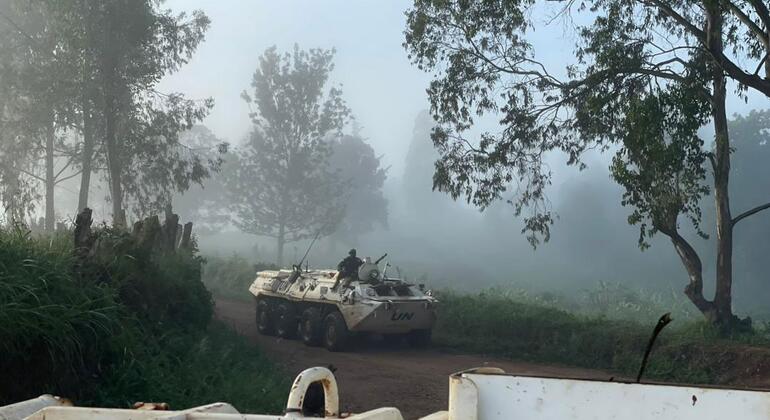
The UN has been a key player in addressing the ongoing crisis. With a mandate to protect civilians and promote peace, the UN Organization Stabilization Mission in the Democratic Republic of the Congo (MONUSCO) has been actively involved in mediation efforts. Diplomatic engagement seeks to stabilize the region and promote a comprehensive peace process.
Progress in Peace Talks
In recent months, the UN has reported a positive shift in peace talks involving the DRC government and the M23 rebels. High-level negotiations have led to tentative agreements aimed at establishing ceasefires and disarmament processes. However, the path to lasting peace remains fraught with challenges.
Persistent Violence and Humanitarian Crisis
Despite Diplomatic Efforts
While talks show promise, violence persists across eastern Congo. Engaging in hostilities, the M23 rebels continue to clash with government forces, leading to civilian casualties and displacement. The UN has documented numerous incidents of violence against civilians, exacerbating the humanitarian crisis in the region.
Humanitarian Consequences
The ongoing violence has resulted in one of the world’s most severe humanitarian emergencies. Millions of Congolese are internally displaced, lacking basic necessities such as food, water, and medical care. The UN warns that without sustained international intervention, the situation will deteriorate further.
Regional and Global Implications
The Role of Neighboring Countries
The instability in DRC has implications beyond its borders. Neighboring nations like Rwanda and Uganda have been accused of supporting rebel groups, including the M23. This complicates the peace process, as regional power dynamics are inextricably linked to the conflict.
International Response
International actors, including the African Union and the United Nations, are calling for a comprehensive approach to address root causes and ensure lasting peace. Diplomatic pressure, economic sanctions, and targeted aid are some measures suggested to incentivize cooperation and deter violence.
The Path Forward
Fostering Dialogue and Reconciliation
For any peace process to thrive, inclusive dialogue among all stakeholders is critical. Marginalized communities must be engaged to achieve comprehensive and sustainable solutions that address the grievances fueling the conflict.
Strengthening Security Frameworks
Improving the security apparatus in the DRC is paramount. Reinforcement of local police and military forces, coupled with international support, can help stabilize the region and restore public trust in the government.
Conclusion
As the M23 rebels and the DRC government continue their dialogue, the persistent violence remains a significant obstacle to peace. The UN’s recognition of progress in talks is a hopeful sign; nevertheless, long-lasting solutions must address the underlying issues that led to the conflict. A multifaceted approach involving local, regional, and international stakeholders will be essential to realize a peaceful resolution and improve the humanitarian landscape in the DRC.
Call to Action
For anyone seeking to understand the complexities of the DRC’s conflict and the role of the M23 rebels, increasing awareness and supporting humanitarian initiatives is crucial. As the situation evolves, staying informed will contribute to push for lasting solutions and support for those affected by the violence.
For more details and the full reference, visit the source link below:
Read the complete article here: https://news.un.org/feed/view/en/story/2026/02/1166899