
Libya: UN Mission Chief Laments Lack of Progress Towards National Renewal
Introduction
Libya, a North African nation with a rich cultural heritage and vast natural resources, has been in a state of turmoil since the fall of Muammar Gaddafi in 2011. The country has struggled with political instability, armed conflict, and economic challenges. Recently, the United Nations (UN) mission chief for Libya expressed serious concerns regarding the lack of progress towards national renewal. This article delves into the current situation in Libya, the UN’s role, the challenges faced, and the urgent need for renewal.
Overview of Libya’s Current Political Landscape
Since the overthrow of Gaddafi, Libya has been divided between rival governments and factions. Despite numerous attempts at establishing a unified government, the country remains fragmented. This political instability hampers the possibility of implementing essential reforms and rebuilding the nation. Key political players in the country are split between the Government of National Unity (GNU) based in Tripoli and the rival administration in the east.
The Role of the UN in Libya
The United Nations has been actively involved in efforts to stabilize Libya for over a decade. The UN Support Mission in Libya (UNSMIL) aims to mediate a political resolution and support the country in its transition towards democracy. However, the mission has encountered significant hurdles, including persistent violence, external military interventions, and a lack of trust among Libyan factions.
The UN Mission Chief’s Concerns
A Stalled Political Process
The UN mission chief has expressed profound dismay over the stagnation of the political process in Libya. He noted that despite ongoing dialogues and negotiations, tangible progress has been scant. Key issues, such as electoral laws, disarmament initiatives, and the integration of militias into a national army, remain unresolved. This deadlock not only hinders national renewal but also perpetuates a climate of distrust and hostility among various groups.
Economic Challenges
Economically, Libya sits on one of the largest oil reserves in the world. However, years of conflict have severely impacted its oil production and export capacity. The UN mission chief has highlighted that without a stable political environment, revitalizing the economy and ensuring that oil revenues are used for the benefit of the Libyan people remains an elusive goal. Increased corruption, inflation, and unemployment further exacerbate the country’s dire economic situation.
Humanitarian Crisis
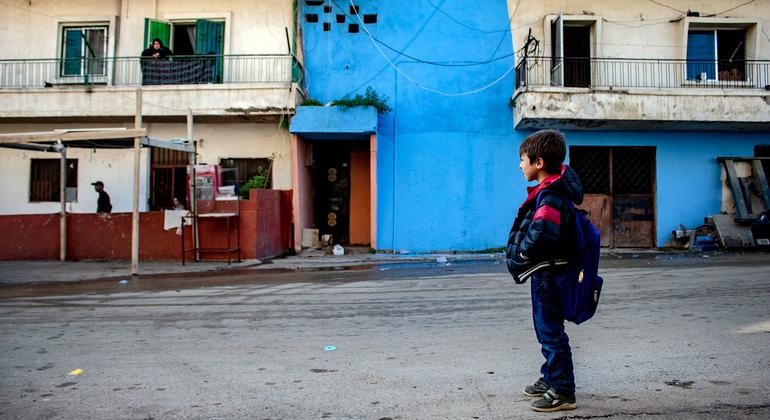
The humanitarian situation in Libya is deteriorating, with millions of citizens requiring assistance. The UN mission chief has pointed out that insecurity and violence have led to the displacement of thousands and have worsened access to essential services like healthcare and education. The ongoing conflict, coupled with the lack of effective governance, has resulted in a humanitarian crisis that demands urgent attention.
Challenges to National Renewal
Internal Division
One of the most significant barriers to national renewal in Libya is the deep division among its people. Political factions, armed groups, and tribal loyalties often trump national interests, creating an environment where unity is hard to achieve. Efforts to reconcile these divergent interests through dialogue have repeatedly fallen flat.
External Interference
Libya’s situation is complicated by the involvement of foreign powers, each backing different factions in the ongoing conflict. This external interference not only fuels the violence but also muddles the prospects for a homegrown solution. The UN mission chief has called for the cessation of foreign arms supplies and interventions, emphasizing that peace must be negotiated by Libyans themselves.
Lack of Security
The absence of a centralized security apparatus undermines any efforts towards national renewal. Numerous militias operate independently, leading to a breakdown of law and order. The UN has urged the need for a comprehensive security strategy that encompasses the disarmament and demobilization of these armed groups.
The Path Forward: Steps Towards National Renewal
Promoting Dialogue
A renewed focus on inclusive dialogue is essential for resolving the ongoing political deadlock. The UN must facilitate discussions among all stakeholders, ensuring that diverse voices, especially from marginalized groups, are heard. Creating a national dialogue framework can pave the way toward consensus-building and trust.
Economic Reforms
Libya requires comprehensive economic reforms to stabilize its finances and improve living conditions. Mechanisms for transparent management of oil revenues should be established, ensuring that the wealth generated benefits the broader population. International assistance in economic planning could be invaluable in this regard.
Addressing Humanitarian Needs
Immediate humanitarian needs must be prioritized to alleviate the suffering of the Libyan people. The UN and NGOs should collaborate to provide essential services and support to displaced individuals and vulnerable communities. Addressing food security, healthcare access, and educational opportunities will contribute to a more stable society.
Strengthening Governance
Building strong, accountable governance structures is crucial for fostering national renewal. This includes establishing institutions that are transparent and effective in delivering services to citizens. The UN must emphasize the importance of human rights, rule of law, and the participation of civil society in governance.
Enhancing Security
A coordinated approach to security is critical for restoring peace. A unified national army, supported by international partners, should replace fragmented militias. Additionally, the disarmament, demobilization, and reintegration of former combatants must be part of the security plan.
Conclusion
Libya stands at a critical juncture, with the potential for renewal hanging in the balance. The UN mission chief’s lament about the lack of progress highlights the urgent need for concerted efforts to address the political, economic, and humanitarian crises plaguing the nation. By promoting dialogue, implementing economic reforms, addressing urgent humanitarian needs, strengthening governance, and enhancing security, Libya can move towards a brighter, more stable future. The world must rally behind Libya to ensure that the aspirations of its people for peace and prosperity are realized.
For more details and the full reference, visit the source link below:
Read the complete article here: https://news.un.org/feed/view/en/story/2026/04/1167357