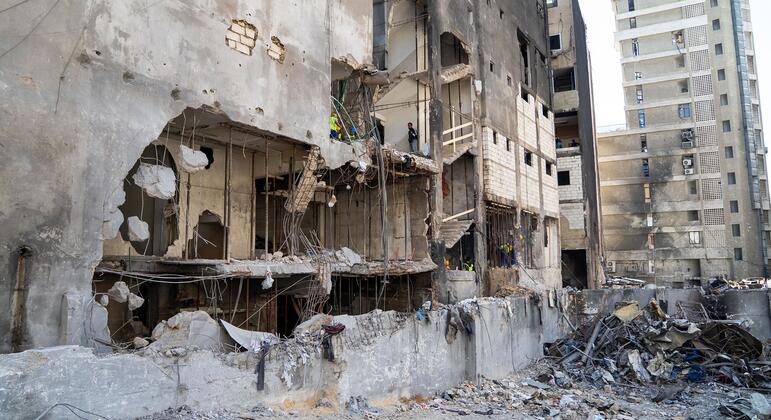

Lebanon: Families Flee Beirut as Israel Threatens Renewed Strikes on Hezbollah
Introduction
Lebanon has long been a focal point of geopolitical tension in the Middle East, with a history marked by conflict and instability. Recent developments have escalated fears among the population of Beirut, particularly as Israel issues threats of renewed military action against Hezbollah. These threats have resulted in families fleeing the capital, seeking safety and stability amidst an uncertain future. In this article, we will explore the reasons behind this mass exodus and the implications for Lebanon’s humanitarian situation.
The Context of the Crisis
Historical Background
Lebanon’s geographical location has made it a battleground for various regional and international powers. The ongoing conflict between Israel and Hezbollah, rooted in decades of animosity and territorial disputes, has often placed Lebanese citizens in precarious situations. The 2006 Lebanon War serves as a stark reminder of the destruction and human suffering that can ensue from such conflicts.
Recent Escalations
Tensions have significantly heightened in recent weeks, with Israel threatening renewed operations against Hezbollah, which it labels a terrorist organization. Israeli defense officials have indicated that military strikes could target Hezbollah’s weapon stockpiles and operational hubs in response to perceived threats. These developments have sent shockwaves through the populace, leading many families to consider leaving Beirut for safer grounds.
The Impact on Beirut’s Families
Security Concerns
As the threat of renewed military action looms, safety has become a paramount concern for families in Beirut. Parents are particularly anxious about the well-being of their children and the potential for armed conflict to disrupt their lives. Many families find themselves grappling with the psychologically tolling effects of living under the shadow of constant fear.
Economic Strain
Lebanon has been grappling with an economic crisis that has severely impacted its citizens. Hyperinflation and fiscal mismanagement have left many families struggling to make ends meet. The threat of conflict only exacerbates these challenges, making it increasingly difficult for families to sustain themselves in the face of uncertainty.
Flight to Safety
Faced with growing insecurity, many families have begun to flee Beirut. The exodus is often driven by desperation; families are seeking safer regions within Lebanon or attempting to leave the country altogether. Neighboring countries like Turkey and Cyprus are seeing an influx of Lebanese refugees, fleeing from the possibility of renewed violence.
The Humanitarian Aspect
Displacement Dynamics
The mass movement of people from Beirut is not just a migration; it’s a humanitarian crisis. Displaced individuals often face numerous challenges, including a lack of basic necessities, access to healthcare, and fears of discrimination in host countries. Many refugees find themselves living in overcrowded conditions, exacerbating existing vulnerabilities.
Response from NGOs
Non-Governmental Organizations (NGOs) are working tirelessly to provide support to those affected by the crisis. Initiatives focused on delivering food, medical assistance, and psychological support have become increasingly important. However, the scale of the crisis often outpaces the resources available.
International Reactions and Aid
Global Awareness
The international community has started to take note of the deteriorating situation in Lebanon. Governments and organizations are mobilizing to provide humanitarian aid and support for both Lebanese citizens and refugees. However, the response has been critiqued as insufficient given the severity of the crisis.
Calls for Diplomatic Solutions
Beyond humanitarian aid, there have been increasing calls for diplomatic measures aimed at mitigating tensions between Israel and Hezbollah. Many observers argue that long-term solutions will only be viable through dialogue, focusing on peace-building and conflict resolution initiatives.
Future Outlook for Lebanon
The Road Ahead
The future for Lebanon remains uncertain. With multiple factors at play – from regional dynamics and political instability to economic decline and security threats – the road to recovery will undoubtedly be challenging. Efforts to foster dialogue and implement reforms will be crucial in stabilizing the situation.
A Call for Unity
Lebanon’s complex web of sectarian divisions poses additional challenges to long-term stability. Unity among the Lebanese people—regardless of sect, religion, or political affiliation—will be essential to overcome the current crisis and work towards a better future.
Conclusion
The crisis unfolding in Lebanon, particularly in Beirut, underscores the fragility of peace and security in the region. As families flee the threat of renewed strikes by Israel against Hezbollah, the humanitarian implications become increasingly dire. The call for international support and diplomatic resolutions is more urgent than ever, as Lebanon stands on the precipice of potential catastrophe. The time for action is now—before the plight of displaced families becomes a tragedy of unmanageable proportions.
SEO Optimization Strategies
-
Keyword Use: This article incorporates relevant keywords such as “Lebanon,” “Beirut,” “families flee,” “Israel,” “Hezbollah,” and “humanitarian crisis.”
-
Headings and Subheadings: Use of headings and subheadings enhances readability and allows search engines to crawl the content effectively.
-
Internal and External Links: Including links to reputable sources and related articles can improve SEO and provide readers with additional information.
-
Meta Description: A compelling meta description summarizing the content can attract clicks from search engine results.
-
Engaging Visuals: The use of images or infographics can make the article more engaging and improve user experience, leading to better SEO rankings.
By applying these SEO strategies and maintaining a focus on informative, engaging content, this article can reach a broader audience, raise awareness, and foster discussions about the critical issues facing Lebanon today.
For more details and the full reference, visit the source link below:
Read the complete article here: https://news.un.org/feed/view/en/story/2026/06/1167615

