
Lebanon ‘Dragged Back into Turmoil’: UN Envoy Warns
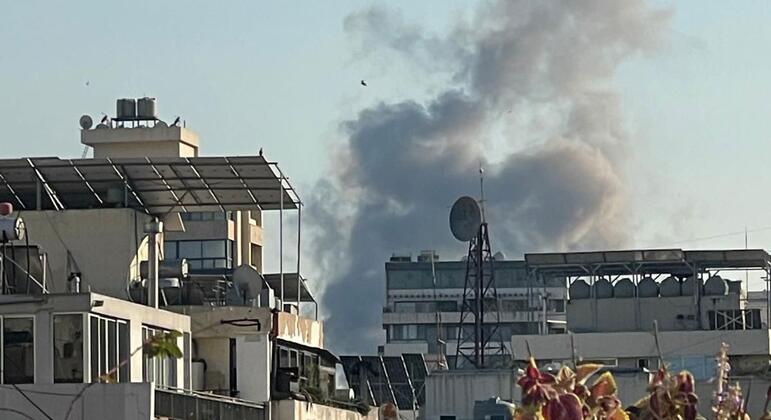
Lebanon, a nation historically rich in culture and diversity, is once again facing significant turmoil, as highlighted by the United Nations envoy. This situation not only endangers peace and stability within the country but also affects the broader Middle Eastern landscape. In this article, we’ll explore the various dimensions of Lebanon’s crisis, the role of international organizations, and potential pathways to recovery.
The Current State of Affairs in Lebanon
Economic Collapse
Lebanon has been enduring a catastrophic economic decline, described by many as the worst financial crisis in its history. The national currency has lost over 90% of its value against the US dollar, causing rampant inflation. Basic necessities like food, fuel, and medicine have become scarce and prohibitively expensive for the average Lebanese citizen.
Many Lebanese families are plunged into poverty, with over 75% living below the poverty line. This dire situation has led to widespread protests and civil unrest, as citizens demand an end to corruption and the failure of political leaders to address their plight.
Political Deadlock
The political landscape in Lebanon is fraught with division, further complicating effective governance. The country is characterized by a unique power-sharing arrangement that often results in a stalemate. This deadlock serves to protect entrenched interests rather than addressing urgent reforms.
Efforts to form a new government have been met with resistance, as various factions vie for control and influence. The inability to elect a president and form a cabinet since 2022 has exacerbated the country’s instability.
The Role of the UN in Regional Stability
UN Envoy’s Warnings
The UN envoy to Lebanon recently issued stark warnings about the situation. He emphasized that without immediate comprehensive reforms, Lebanon risks sliding further into chaos. The envoy’s remarks serve as a rallying call for both Lebanese leaders and the international community to take decisive action.
The UN’s ongoing humanitarian support efforts have been essential, yet they remain inadequate in the face of mounting needs. With more than a million Syrian refugees in Lebanon, the strain on resources continues to increase.
Humanitarian Support Initiatives
The United Nations has been involved in various humanitarian support initiatives aimed at alleviating the suffering of the Lebanese population. However, limited funding and ongoing instability hamper these efforts.
Key initiatives include food assistance, healthcare services, and educational programs for children affected by the crisis. The UN’s World Food Programme (WFP) has been instrumental, but funding shortages hinder the scale of its operations.
The Broader Geopolitical Context
Regional Tensions
Lebanon’s turmoil is intricately linked to broader regional dynamics. The country’s volatile relationship with neighboring Syria and the influence of regional powers such as Iran and Saudi Arabia add layers of complexity to the crisis.
Hezbollah, a powerful political and militant group in Lebanon, receives substantial backing from Iran, often putting the nation at odds with many Gulf states. Tensions surrounding Hezbollah’s military capabilities and political influence remain sources of friction.
The Impact of Global Events
Global events, including the COVID-19 pandemic and the ongoing Ukraine conflict, have exacerbated Lebanon’s problems. Disruptions in global supply chains and rising energy prices have caused additional economic strain. The intertwining of local issues with global dynamics complicates any solution.
Pathways to Recovery
National Dialogue
Engaging in a national dialogue that includes all political factions and civil society groups is imperative for Lebanon’s recovery. Open dialogues can pave the way for consensus on necessary reforms, including anti-corruption measures and economic rebuilding strategies.
International Collaboration
Lebanon’s recovery is not solely the responsibility of its leaders but also requires active international collaboration. The international community must provide financial aid and technical assistance while demanding accountability and transparency from Lebanese authorities.
Economic Reforms
Implementing structural economic reforms is crucial. Key areas for reform include the banking sector, public finance management, and social welfare systems. Modernizing these systems will build public trust and lay the foundation for sustainable economic growth.
Conclusion
The situation in Lebanon is urgent and complex, with the potential for further decline if immediate actions are not taken. The warnings from the UN envoy serve as a critical reminder of the stakes involved. With collaborative efforts from both domestic and international actors, there is still hope for Lebanon to emerge from its crisis.
Lebanon’s story is one of resilience, and with commitment and action, a brighter future remains possible for this vibrant nation. The road to recovery may be long, but by prioritizing reform, engaging in dialogue, and securing international support, Lebanon can work towards peace and stability once again.
For more details and the full reference, visit the source link below:
Read the complete article here: https://news.un.org/feed/view/en/story/2026/03/1167096