
Lebanon Airstrike Casualties: Unveiling the Tragedy Beneath the Rubble
In recent weeks, Lebanon has faced a dire situation following a series of airstrikes that have left a trail of devastation across various regions. The aftermath has raised alarms about the casualties trapped beneath the rubble, all while emergency services and hospitals grapple with fresh dangers. This article delves into the current humanitarian crisis, the ongoing efforts to rescue survivors, and the challenges healthcare providers face in Lebanon.
The Context of the Airstrikes
The airstrikes in Lebanon have been a source of international concern. Targeted areas predominantly included urban centers and densely populated neighborhoods. The reasons behind these military actions can be traced to escalations in regional tensions, which have had catastrophic implications on Lebanese civilians.
Civilian Areas Affected
The targeted strikes have primarily hit civilian infrastructure, including residential buildings, schools, and hospitals. Information suggests that the strikes were not just strategic but also aimed at instilling fear among the populace. Consequently, innocent lives have been lost, and many remain missing, their whereabouts unknown.
The Death Toll and Casualty Reports
Reports indicate that the airstrikes have claimed numerous casualties. Rescue operations are ongoing, with many individuals still considered missing beneath the collapsed structures. The local government, along with international aid organizations, is scrambling to tally the final death toll while simultaneously working to recover those still trapped.
Survivors Under the Rubble
According to eyewitness accounts, the scale of destruction is heartbreaking. Those lucky enough to escape reported hearing cries for help from those still trapped in the debris. Rescue teams have been relentlessly working to excavate potential survivors, feeling the weight of urgency as time passes.
Emergency Services on the Frontline
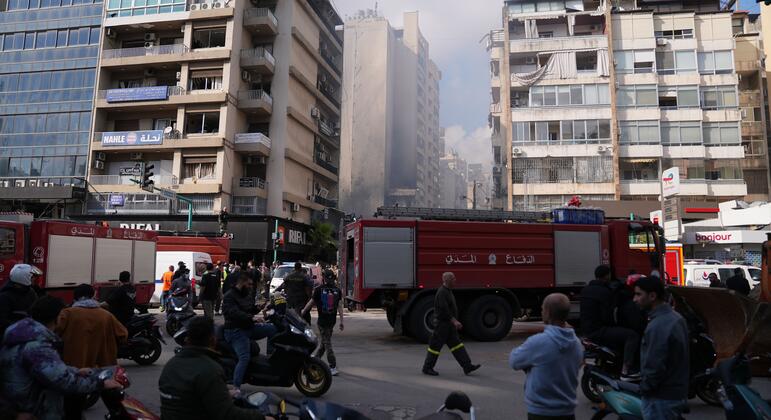
Emergency services in Lebanon have been working around the clock to aid those affected by the airstrikes. The personnel involved are faced with immense pressure, as they navigate hazardous environments to locate and rescue trapped victims. However, these brave individuals are encountering new threats that hinder their efforts.
Challenges Faced by First Responders
One of the significant threats is the potential for further airstrikes during rescue operations. Rescuers often operate under the looming fear that another bomb might fall, adding to the chaos and risking even more lives. Moreover, logistical challenges such as blocked roads and insufficient equipment complicate their ability to act swiftly.
Hospitals in Crisis: A Burgeoning Need for Care
As the casualties rise, hospitals in Lebanon become increasingly strained. Medical facilities that were already fragile due to long-standing economic issues are now overwhelmed by the influx of injured individuals.
Medical Infrastructure at Risk
The medical infrastructure in Lebanon has been deteriorating for years. The recent airstrikes only exacerbated existing vulnerabilities. Hospitals closely monitor their resources while contending with challenges like lack of supplies, overburdened staff, and lack of electricity in certain regions.
Threats to Healthcare Workers
Healthcare workers are at the forefront of this crisis, yet they are also facing growing threats. As airstrikes continue, medical professionals work under constant fear for their safety. This precarious situation can lead to mental health issues among staff, further affecting their capacity to provide quality care.
Humanitarian Response Efforts
In response to this humanitarian crisis, several organizations have mobilized to provide aid. Local NGOs and international bodies are working collaboratively to deliver medical supplies, food, and shelter to those affected. However, their efforts are frequently met with challenges, as security concerns and logistical issues hinder timely assistance.
International Aid Initiatives
Countries around the world are stepping up their support for Lebanon. Governments and organizations are coordinating to ensure that essential resources reach those in need. This collaborative effort is vital for sustaining life and fostering recovery in the devastated communities.
Voices from the Ground
The heartbreaking stories emerging from Lebanon reflect resilience amidst adversity. Survivors have bravely shared their experiences, emphasizing the urgent need for international intervention and support. Their harrowing accounts remind us of the human cost of conflict.
Community Resilience
Despite the chaos, communities are coming together to support one another. Neighborhoods have formed coalitions to assist rescue efforts, providing food and shelter to families dislocated by the airstrikes. This spirit of unity exemplifies the strength of the human spirit in the face of overwhelming odds.
The Path Forward: What Can Be Done?
As Lebanon navigates this crisis, several measures can be taken to enhance the response and alleviate suffering. Increased international support, enhanced security measures for emergency responders, and outreach programs to support mental health are vital.
Advocacy for Peace
A broader call for peace and stability in the region is essential to prevent further tragedies. International advocates must work tirelessly to engage in diplomacy that prioritizes the safety and well-being of Lebanese civilians.
Conclusion: A Call to Action
The ongoing situation in Lebanon serves as a tragic reminder of the impact of conflict on innocent lives. As casualties continue to rise, and as the humanitarian crisis deepens, it is crucial for the international community to respond swiftly.
Your Role
As readers and global citizens, you can raise awareness through social media, support aid organizations, and advocate for peace. Every little action counts in making a difference in the lives of those suffering in Lebanon. Together, we can contribute to rebuilding a future where safety, stability, and hope prevail.
For more details and the full reference, visit the source link below:
Read the complete article here: https://news.un.org/feed/view/en/story/2026/04/1167280