
In Beirut, Guterres Demands End to Middle East War: Civilians ‘Deserve to Live Without Fear’
Introduction
In a poignant plea from Beirut, United Nations Secretary-General António Guterres emphasized the urgent need for an end to ongoing conflicts in the Middle East. Calling for a ceasefire and prioritizing the safety of civilians, Guterres highlighted the profound humanitarian crises impacting millions. His remarks resonate deeply as the region continues to suffer from violence that disrupts lives and undermines stability.
The Current State of Affairs in the Middle East
The Middle East has long been embroiled in conflict, with ongoing wars and tensions affecting countries such as Syria, Yemen, and Israel-Palestine. These conflicts have created dire humanitarian situations, leading to massive displacements, loss of life, and a devastating impact on infrastructure and social systems.
Humanitarian Crisis
As conflicts escalate, millions of civilians find themselves caught in the crossfire. Access to basic necessities such as food, clean water, and medical care becomes increasingly scarce. According to the United Nations, approximately 250 million people in the region are in urgent need of humanitarian aid, exposing the scale of suffering.
Guterres’s Message in Beirut
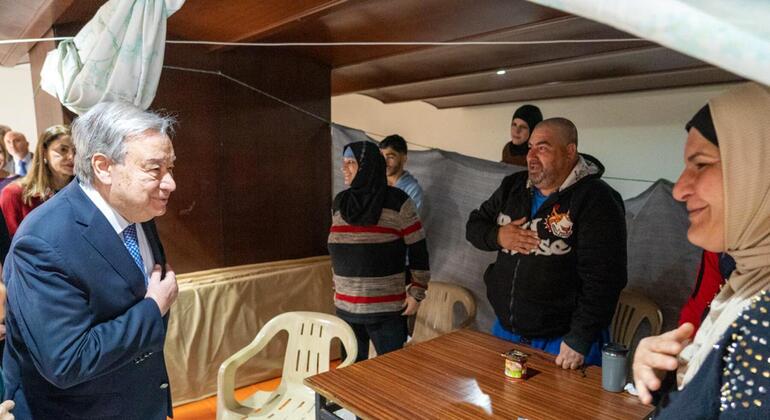
Addressing the media and local leaders in Beirut, Guterres urged nations involved in the conflicts to prioritize peace and stability. “Civilians deserve to live without fear,” he declared, emphasizing the importance of creating safe environments for communities to thrive.
A Call for Ceasefire
Guterres’s call for an immediate ceasefire reflects the UN’s commitment to peace. The Secretary-General argues that ongoing hostilities only exacerbate the humanitarian fallout, further entrenching divisions and hatred. A ceasefire would allow humanitarian organizations to deliver essential aid and support to those affected by the violence.
The Role of the International Community
The responsibility for achieving peace cannot lie solely within the borders of conflict-affected countries; it is a shared obligation of the international community. Guterres emphasized that various nations must work collaboratively to broker peace.
Diplomatic Efforts
Diplomatic negotiations are essential to achieving a lasting resolution. Countries with influence in the region must engage in constructive dialogue, emphasizing the importance of mutual respect and understanding among conflicting parties.
The Impact of War on Civilians
Wars do not only result in immediate casualties; they have long-lasting effects on civilians. The psychological and emotional toll of living in a war zone is immense. Many people, especially children, face trauma that may affect their mental health for years to come.
Refugee Crisis
The ongoing conflicts have led to one of the largest refugee crises in recent history, with millions displaced and seeking safety in neighboring countries or beyond. Countries need to band together to address the needs of refugees, providing shelter, food, and access to education.
Importance of Humanitarian Aid
In the wake of conflict, humanitarian aid becomes a lifeline for those affected. Guterres called for unimpeded access for humanitarian organizations to deliver aid to affected populations.
Collaboration with NGOs
Non-governmental organizations (NGOs) play a crucial role in mitigating the effects of war. They provide medical care, food, shelter, and psychosocial support to civilians caught in crises. The international community must support these organizations to ensure they can operate effectively.
The Role of Local Leaders
Local leaders have unique insights into the challenges their communities face. Guterres urged them to advocate for peace and seek solutions tailored to their specific contexts. Building trust among communities often requires local involvement and leadership.
Grassroots Initiatives
Grassroots movements can mobilize communities to work towards peace, often more effectively than larger organizations. Empowering local voices can lead to grassroots initiatives that address local grievances and promote reconciliation.
Education as a Tool for Peace
One of the most significant impacts of war is the disruption of education. Schools are often targeted or become unsafe to attend, denying children access to learning. Guterres highlighted the importance of prioritizing education even amid conflict.
Investing in Future Generations
Providing educational opportunities is essential for building a stable future. Education equips children with the skills and knowledge needed to contribute to their communities and helps foster a sense of hope.
Conclusion
António Guterres’s passionate plea for peace in Beirut underscores the critical need for an end to conflicts in the Middle East. Civilians caught in the crossfire deserve to live without fear and have access to essential humanitarian aid, education, and opportunities for a better future.
Call to Action
The situation demands action—not just words. The international community must come together, engage in meaningful dialogue, and prioritize civilian safety in all military and political decisions. Only by working collaboratively can we hope to build a lasting peace in the Middle East and ensure that civilians truly can live without fear.
For more details and the full reference, visit the source link below:
Read the complete article here: https://news.un.org/feed/view/en/story/2026/03/1167134