
Humanitarian Needs in Gaza Deepen as Aid Access Remains Constrained
Introduction
Gaza, a region fraught with conflict and socio-economic challenges, is witnessing a severe humanitarian crisis that continues to escalate. Over the years, the population has endured significant hardships due to recurrent violence, blockade conditions, and lack of access to basic necessities. As humanitarian needs deepen, aid access remains critically constrained, exacerbating the suffering of millions. This article delves into the current humanitarian situation in Gaza, highlighting the primary challenges, the impact on the population, and potential avenues for relief.
The Current Humanitarian Situation in Gaza
Escalating Needs
As of 2023, the United Nations reports that over two million residents in Gaza face dire humanitarian needs. Key factors contributing to this escalating crisis include:
-
Overcrowding: Gaza is one of the most densely populated regions in the world, with over 2 million people living in just 365 square kilometers. This overcrowding exacerbates the challenges related to housing, sanitation, and healthcare.
-
Limited Access to Clean Water: Only about 10% of the water in Gaza is potable, leading to a public health crisis. Contaminated water supplies contribute to the spread of waterborne diseases, disproportionately affecting vulnerable populations like children and the elderly.
-
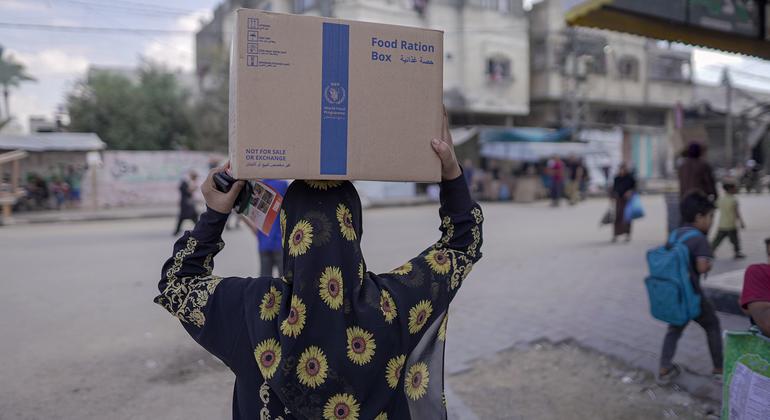
Food Insecurity: With rampant unemployment and poverty rates soaring above 50%, many families in Gaza struggle to afford basic food items. The World Food Programme reports that more than a million people suffer from food insecurity, with some resorting to extreme measures to survive.
Economic Blockade
The ongoing economic blockade imposed on Gaza by Israel severely restricts the flow of goods and humanitarian aid. This blockade has not only hampered reconstruction efforts following conflicts, but it has also impeded the delivery of essential supplies, including food, medicine, and building materials. The restrictions on trade lead to market inflation, making basic goods unaffordable for most families.
Constraints on Humanitarian Aid
Bureaucratic Hurdles
The delivery of humanitarian assistance to Gaza faces numerous bureaucratic obstacles. Organizations attempting to provide aid are met with stringent approval processes, which often delay critical assistance. The lack of transparency in the allocation of aid resources further complicates the situation, creating distrust among the local population regarding the distribution of humanitarian support.
Security Concerns
Security concerns within the region also pose challenges to humanitarian efforts. Aid workers frequently encounter violence or threats, leading to reduced access for NGOs and humanitarian organizations. This precarious environment makes it difficult for these organizations to carry out their missions effectively, resulting in a lag in the delivery of much-needed support.
The Impact on Vulnerable Populations
Children and Adolescents
Children are particularly affected by the ongoing crisis in Gaza. Several generations have grown up in conflict, with limited access to educational facilities and resources. The psychological toll of war has been profound, with increased rates of anxiety, depression, and behavioral issues. The lack of educational opportunities further diminishes their prospects for a better future.
Women and Gender Inequality
Women in Gaza also bear the brunt of the humanitarian crisis. Traditional gender roles are exacerbated in times of conflict, and many women find themselves responsible for their families’ well-being amidst dire economic conditions. Access to healthcare, including reproductive health services, is significantly hindered, impacting women’s health and autonomy.
Elderly and Disabled Individuals
Elderly individuals and those with disabilities face additional barriers in accessing services. The lack of infrastructure, combined with limited mobility options, makes it challenging for these vulnerable populations to seek healthcare or essential services. Their needs often remain overlooked in the broader humanitarian response.
International Response and Efforts
Calls for Increased Aid
Global humanitarian organizations and the United Nations have repeatedly emphasized the urgent need for increased aid access to Gaza. Initiatives advocating for the end of the blockade aim to allow for the free flow of essential goods and humanitarian assistance. Such efforts are crucial in addressing the immediate needs of the population.
Local NGOs and Initiatives
Despite the constraints, local NGOs in Gaza are tirelessly working to provide critical services. Initiatives focusing on food distribution, medical aid, and psychosocial support are essential to address the growing needs. These organizations often operate with limited resources but play a key role in filling the gaps left by larger international entities.
Sustainable Solutions for Gaza
Long-term Development Plans
Addressing the humanitarian crisis in Gaza requires long-term development plans that extend beyond immediate relief efforts. Sustainable solutions should focus on improving infrastructure, enhancing access to education and healthcare, and fostering economic growth. International donors and stakeholders must commit to supporting comprehensive development projects that can create lasting change.
Advocacy for Policy Change
Advocating for policy changes at the international level can pave the way for improved humanitarian access. Engaging in dialogue with key political actors can help facilitate agreements that prioritize the needs of the civilian population over geopolitical interests.
Community Empowerment
Empowering local communities through capacity-building initiatives can enhance resilience. By investing in education, vocational training, and community-led development projects, Gaza’s residents can work toward self-sustainability, reducing their dependence on external aid.
Conclusion
The humanitarian situation in Gaza continues to deteriorate, driven by compounded factors that restrict access to essential resources. As the needs of the population deepen, it is imperative for the international community to recognize its responsibility in alleviating their suffering. Through concerted efforts focused on increasing aid access, fostering long-term solutions, and advocating for policy change, there is hope for a brighter future for Gaza. The residents deserve the support they need to rebuild their lives, restore dignity, and aspire toward lasting peace and stability.
Call to Action
In light of the ongoing humanitarian crisis in Gaza, it is critical for individuals, organizations, and governments worldwide to take action. Whether through advocacy, donations, or raising awareness, collective efforts can help alleviate the suffering of millions and contribute to a more humane and equitable resolution in the region.
For more details and the full reference, visit the source link below:
Read the complete article here: https://news.un.org/feed/view/en/story/2026/03/1167159