
Humanitarian Crisis Worsening in Afghanistan Amidst Middle Eastern Conflicts
The humanitarian crisis in Afghanistan has reached alarming levels as recent escalations in the Middle East cast a shadow over the nation’s already precarious situation. With ongoing conflicts, economic hardship, and a deteriorating healthcare system, millions of Afghans find themselves in urgent need of aid. This article delves into the compounding factors driving the crisis in Afghanistan, its implications, and the international response needed to ameliorate the suffering.
The State of Humanitarian Affairs in Afghanistan
Economic Instability
The Afghan economy faces unprecedented challenges, exacerbated by the withdrawal of international aid following the Taliban’s takeover in August 2021. As foreign economic support dissipated, local businesses collapsed, leaving families struggling to secure basic necessities such as food and shelter. According to the UN, over 19 million Afghans face acute food insecurity, with many resorting to desperate measures to survive.
Deteriorating Health Services
Healthcare in Afghanistan is on the brink of collapse, with hospitals and clinics lacking essential medical supplies and qualified personnel. The COVID-19 pandemic worsened an already fragile health infrastructure, leading to increased mortality rates. In light of ongoing conflicts in the Middle East, the humanitarian efforts there have diverted attention and resources away from Afghanistan, intensifying health-related crises.
Education Under Threat
The Taliban’s policy changes have left many girls and young women with limited access to education. Reports indicate that millions of girls are currently barred from attending school, stunting the nation’s potential for future development. This education crisis not only affects individual futures but also has broader implications for social progress and economic recovery.
The Impact of Conflicts in the Middle East
Refugee Crisis
Escalating conflicts in the Middle East have a direct impact on Afghanistan, as waves of refugees spill into surrounding regions. The influx of displaced persons strains already limited resources and exacerbates the humanitarian situation within Afghanistan. Families fleeing violence often find themselves in dire circumstances, further complicating the crisis.
Global Attention Diverted
As global powers concentrate their efforts on the Middle East, the situation in Afghanistan risks being overlooked. Humanitarian organizations report a significant decrease in funding and resources directed towards Afghanistan, worsening the conditions for millions reliant on external aid. As conflicts flare up and the world’s attention shifts, Afghan lives hang in the balance.
Security Concerns
Heightened tensions in the Middle East have profound security implications for Afghanistan. A resurgence of militant groups can destabilize already fragile regions, resulting in increased violence and further displacement. This leads to a vicious cycle where insecurity deepens humanitarian needs, urging an urgent call for global intervention.
Global Humanitarian Response
The Role of Non-Governmental Organizations (NGOs)
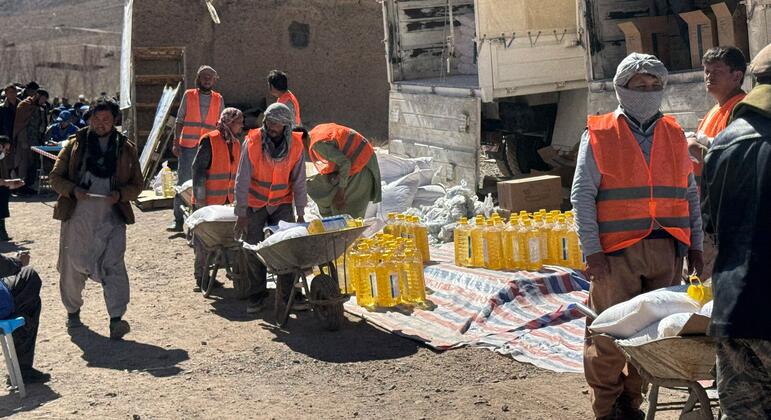
NGOs are critical in addressing immediate humanitarian needs in Afghanistan. Organizations such as the International Committee of the Red Cross (ICRC) and Doctors Without Borders are working tirelessly to provide essential services, from medical care to food distribution. However, with funding dwindling and operational constraints, their capacities are severely hindered. Increased support from the international community is vital to sustain these efforts.
Urgent Calls for Aid
International entities like the United Nations have issued urgent pleas for humanitarian assistance. The UN estimates that nearly 28 million people in Afghanistan require aid, emphasizing the need for immediate financial support. Nations must act collaboratively to address the growing humanitarian needs while navigating the complexities introduced by ongoing Middle Eastern conflicts.
Diplomatic Engagement
Effective diplomatic strategies are essential to tackle the multifaceted humanitarian crisis in Afghanistan. Countries and international bodies should work together to create a robust framework that addresses both immediate needs and long-term solutions. This includes engagement with the Taliban and ensuring that aid reaches those it is meant to help without compromising human rights.
What Can Be Done?
Increase International Aid
A concerted effort is needed to ramp up international humanitarian aid specifically earmarked for Afghanistan. This includes funding for food assistance, medical supplies, and educational programs. Collaboration among nations can create a more coordinated approach to delivering aid efficiently and effectively.
Advocate for Human Rights
Defending human rights, particularly for women and minorities in Afghanistan, should be at the forefront of the international agenda. Governments and organizations must hold the Taliban accountable and push for policies that promote inclusivity and protect the rights of vulnerable groups.
Foster Local Partnerships
Working with local organizations can improve the effectiveness of aid distribution. Local NGOs often have a better understanding of the community’s needs and can facilitate grassroots efforts to lift families out of poverty and insecurity. Global organizations should place emphasis on empowering these local entities.
Conclusion
The humanitarian crisis in Afghanistan is deteriorating as conflicts in the Middle East continue to draw attention and resources away from critical needs. With millions of Afghans facing food insecurity, collapsing healthcare, and limited educational opportunities, the international community must act decisively. By increasing aid, advocating for human rights, and fostering local partnerships, we can begin to address the escalating crisis and provide hope for a brighter future for Afghanistan.
Call to Action
It is imperative that we remain vigilant and advocate for the needs of Afghans who are suffering in silence. Every contribution counts, and increased awareness can galvanize action towards mitigating one of the most pressing humanitarian crises of our time. The world cannot afford to overlook Afghanistan any longer.
For more details and the full reference, visit the source link below:
Read the complete article here: https://news.un.org/feed/view/en/story/2026/03/1167103

