
Haitian Gangs Expand Reach Amid Allegations Against Police
The situation in Haiti has escalated dramatically in recent years, with gangs extending their influence in ways that are deeply troubling to both residents and officials. This article will explore the rise of Haitian gangs, the alarming accusations against police forces involving summary executions, and the implications for governance and civil society in Haiti.
The Rise of Haitian Gangs
Historical Context
Haiti, the first independent Black republic in the world, has faced decades of political instability, economic challenges, and natural disasters. These factors have significantly contributed to the rise of armed gangs as powerful entities within the country. The vacuum left by weak governmental structures has allowed these groups to fill the void, establishing control over various neighborhoods and regions.
Current Landscape
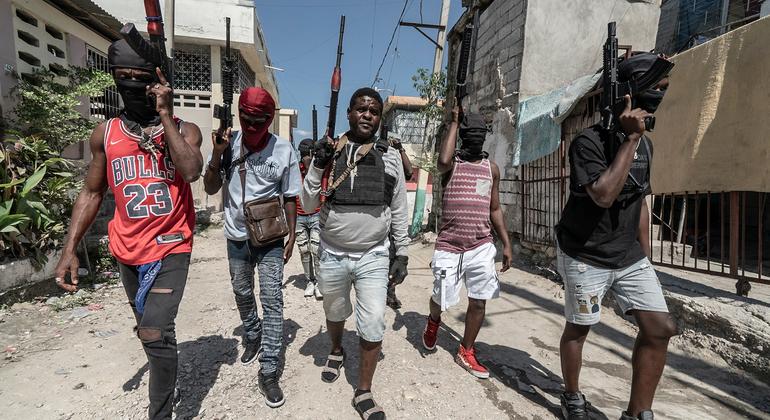
As of 2023, gangs like 400 Mawozo and G9 have become notorious for violence, kidnappings, and extortion. Estimates suggest that nearly 80% of Port-au-Prince is now under gang control, leading to fears over public safety and lawlessness. Gang violence has not only disrupted daily life but has also paralyzed economic activities, prompting many business owners to close their doors or relocate.
Allegations Against Police Forces
Summary Executions
In the face of rampant gang activity, the Haitian National Police have been accused of engaging in “summary executions.” Human rights organizations have reported instances where police officers allegedly killed suspected gang members without due process. This troubling trend raises questions about the role of state security forces in a fragile democratic landscape.
Human Rights Violations
The allegations of extrajudicial killings have sparked outrage both domestically and internationally. Organizations such as Amnesty International and Human Rights Watch have called for investigations into these claims. The use of extrajudicial measures not only undermines the rule of law but also exacerbates tensions between communities and law enforcement.
The Impact on Civilians
Everyday Life in Haiti
The rise of gangs and police brutality has led to an atmosphere of fear among Haitian civilians. Daily activities, such as commuting to work or sending children to school, have become fraught with danger. Many residents find themselves caught in the crossfire of gang violence or bear the brunt of heavy-handed police tactics.
Displacement and Humanitarian Crisis
The unchecked violence has resulted in significant displacement, with thousands of families fleeing gang-controlled areas in search of safety. The United Nations has reported an increase in internally displaced persons (IDPs), compounding an existing humanitarian crisis that already sees millions in need of assistance.
Government Response and Challenges
Weak Governance
Haiti’s political landscape is characterized by weak governance and corruption, making it difficult to formulate effective responses to gang violence and police abuses. The interim government struggles to maintain order, and the lack of a coherent strategy to deal with the rise of gangs raises concerns about future stability.
International Involvement
Calls for international assistance have been made, with suggestions that foreign nations or organizations intervene to help restore order. However, past interventions have had mixed results, and many Haitians are wary of external forces entering their country. They fear that such actions may lead to further loss of sovereignty or exacerbate existing problems.
Community Efforts and Resilience
Grassroots Initiatives
Despite the turmoil, there are grassroots movements and community-led organizations working to address violence and restore peace. Many local groups focus on dialogue, mediation, and conflict resolution to mitigate the impacts of gang rule. These efforts offer hope that sustainable solutions can emerge from the community level.
Youth Empowerment
Empowering the youth of Haiti through education and job opportunities is crucial in addressing the root causes of gang membership. Various NGOs are pivoting their focus toward youth engagement, providing skills training and job placements to deter young people from joining gangs.
Conclusion: The Need for Action and Awareness
The situation in Haiti is dire, with gangs expanding their reach and police forces accused of serious human rights violations. To tackle this complex crisis, a multi-faceted approach is required—one that involves community engagement, governmental reform, and international support. Raising awareness about the plight of Haiti will be crucial in garnering both domestic and international action to restore stability and justice in the country.
This article aims to shed light on the urgent issues facing Haiti today, emphasizing the importance of addressing both the rise of gangs and the troubling behavior of police forces. By promoting awareness, we can inspire action that may lead to a more stable and just environment for the people of Haiti.
For more details and the full reference, visit the source link below:
Read the complete article here: https://news.un.org/feed/view/en/story/2026/03/1167188