
Grim Homecoming: Devastation Greets Lebanon’s War-Weary Returnees
The recent return of displaced families to Lebanon has painted a haunting picture of devastation. After years away due to ongoing conflicts, these returnees are greeted not by joy and relief, but by shattered homes and an uncertain future. This article delves into the challenges they face, the impact of war on communities, and the urgent need for international support.
The Current Situation in Lebanon
Lebanon, once a thriving country known for its rich culture and cosmopolitan lifestyle, has experienced a series of conflicts that have devastated its infrastructure and economy. After years of civil war and the more recent crises linked to regional tensions, many families are now returning, hoping to rebuild their lives. However, upon arrival, they find their neighborhoods unrecognizable, with homes destroyed and services non-existent.
Statistics on Displacement
As of 2023, UN estimates show that nearly 1.5 million people have been displaced since the onset of major conflicts in the region. The influx of returnees is further straining an already fragile economy and exacerbating the challenges faced by the locals who remained. This situation calls for immediate attention from the international community.
The Emotional Toll of Returning Home
Psychological Impact on Returnees
The psychological ramifications of displacement are profound. Many returnees are not only facing the tangible loss of their homes but also the intangible loss of safety and stability. Trauma from the experiences of violence and instability can lead to long-term mental health issues, including PTSD and severe anxiety.
On-the-Ground Experiences
Returnees often recount stories of grief, loss, and desperation. Families are finding memories preserved in the rubble, with many experiencing the heartbreaking process of sifting through ruins to salvage what little they can. These emotional struggles must be addressed as part of the broader rehabilitation strategy, which often overlooks mental health.
Economic Challenges Faced by Returnees
Lack of Basic Services
Upon returning, many families are surprised to discover the absence of basic services such as water, sanitation, and electricity. This lack of infrastructure not only affects daily life but also hinders economic recovery. Schools remain closed or are too damaged to accommodate students, impacting the younger generation’s education.
The Employment Crisis
Finding stable employment is another daunting challenge for returnees. The reconstruction of war-torn areas has been painfully slow, which means that job opportunities remain scarce. Many families are left dependent on humanitarian aid, which can be unreliable and insufficient for long-term survival.
The Role of International Aid
Current Humanitarian Efforts
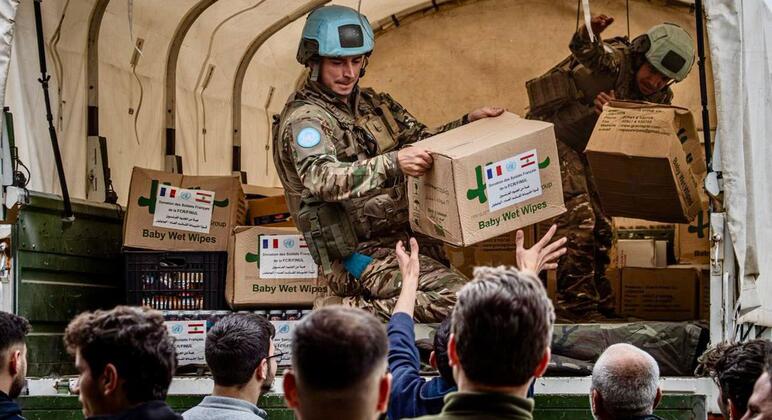
Various NGOs and international agencies are working to provide immediate relief to affected families in Lebanon. They focus on distributing food, medical supplies, and temporary shelter. However, while these efforts are commendable, they often lack the sustained focus required for long-term recovery.
The Need for Sustainable Solutions
To transition from short-term aid to long-term recovery, international support must prioritize rebuilding infrastructure and creating job opportunities. Programs aimed at economic development, vocational training, and psychosocial support are essential for restoring the dignity and self-sufficiency of returnees.
Community Rebuilding Initiatives
Grassroots Movements
Local communities are stepping up to aid returnees, demonstrating resilience in the face of adversity. Grassroots organizations are emerging, focusing on mental health resources, job training, and community integration. These initiatives encourage a collective rebuilding effort, where returning families are directly involved in the rehabilitation of their neighborhoods.
Collaborative Efforts with NGOs
Many NGOs collaborate with local businesses and organizations to foster economic growth. These collaborations can take the form of microfinance programs that allow returnees to start small businesses. Encouraging entrepreneurship not only empowers individuals but also stimulates local economies.
Government Responsibility
Policy Revisions
The Lebanese government must take an active role in addressing the needs of returnees. This includes revising policies to facilitate housing reconstruction, providing financial incentives for businesses to hire returnees, and ensuring that essential services are restored quickly. Government transparency and accountability are critical in rebuilding trust with both returnees and residents.
Engaging Community Leaders
Community leaders play an essential role in advocacy and mobilization. Engaging them in policy discussions can ensure that the unique needs of returnees are considered. They can act as liaisons, helping to bridge the gap between the government and the families in need.
The Future: Hope Amidst Chaos
A Vision for Rebuilding
Despite the challenges, there is a flicker of hope among returnees. Many are motivated to create a better future for themselves and their children. Their resilience speaks volumes about the human spirit’s capacity to endure, even in the face of adversity.
The Importance of Global Engagement
The situation in Lebanon underscores the importance of global engagement in crisis recovery. As war-weary returnees attempt to rebuild their lives, the international community must not turn a blind eye. Increased funding, advocacy, partnerships, and awareness campaigns are necessary to support these communities.
Conclusion
The grim homecoming experience for Lebanon’s war-weary returnees reflects the broader tragedy of displacement caused by conflict. While the devastation is alarming, it also serves as a call to action for individuals, organizations, and governments around the world. Only through collective effort can Lebanon harness its resilience and start a new chapter in its storied history, one of peace, recovery, and renewal.
Call to Action
As we witness the struggles of returnees, it is crucial for individuals to get involved. Whether through donations, volunteering, or simply raising awareness, every contribution counts. The recovery of Lebanon is a shared responsibility, and together, we can help turn the tide from devastation to hope.
For more details and the full reference, visit the source link below:
Read the complete article here: https://news.un.org/feed/view/en/story/2026/07/1167893