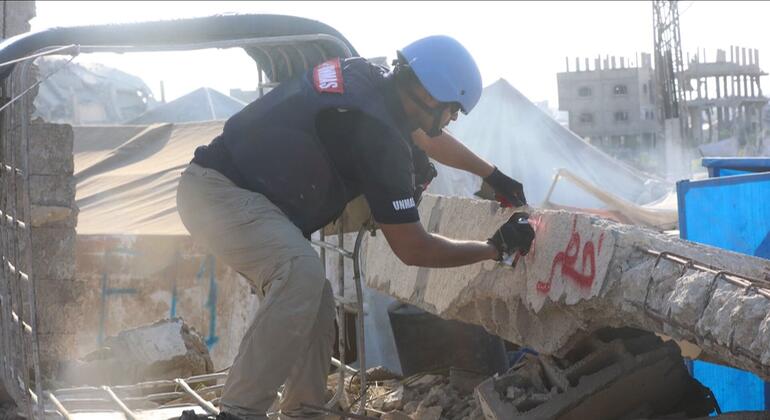

Global Demining Work Strained by Rising Conflicts and Shrinking Aid
As international conflicts escalate and humanitarian aid diminishes, the global effort to clear landmines and unexploded ordnance (UXO) faces unprecedented challenges. This article explores the multifaceted issues impacting demining activities worldwide, the consequences of ongoing conflicts, and the pressing need for sustained support to ensure safe and secure environments for affected communities.
Understanding the Impact of Landmines and UXO
The Hidden Dangers
Landmines and UXO remain a significant threat in many conflict-affected regions. These weapons can remain dormant for decades, posing risks to civilians long after hostilities have ended. According to the Landmine and Cluster Munition Monitor, over 60 countries are still grappling with the threats posed by landmines and UXO.
Human and Economic Cost
The impact of landmines is devastating: they kill or injure thousands each year and disrupt economic development by making land unusable. Clearing these threats is not merely a humanitarian issue; it’s crucial for restoring normalcy and facilitating reconstruction in war-torn areas.
Rising Global Conflicts: A Growing Challenge
Increase in Armed Conflicts
The last decade has witnessed a surge in armed conflicts, often marked by unconventional warfare, which complicates demining efforts. Countries like Syria, Afghanistan, and Yemen have seen a spike in landmine use, making it increasingly hazardous for demining teams to operate safely.
Complicated Terrain and Hostile Environments
In regions experiencing active conflict, demining teams face not only the dangers of landmines but also ongoing military operations, ambushes, and unpredictable geographies. In such hostile environments, the work of humanitarian organizations becomes perilous, often leading to delays or a complete cessation of demining activities.
Funding Constraints: The Shrinking Aid Dilemma
Erosion of International Support
As global humanitarian needs soar, funding for demining initiatives has not kept pace. Many donor countries are reallocating their budgets to address immediate crises, such as refugee support and emergency relief in active conflict zones. This shift significantly limits the resources available for demining.
Long-term Commitment versus Short-term Aid
Contrastingly, demining is a long-term endeavor that requires sustained financial investment. However, with current priorities focused on immediate relief efforts, many programs find themselves underfunded and unable to fulfill their missions effectively.
The Role of Non-Governmental Organizations (NGOs)
Challenges Faced by NGOs
Non-governmental organizations play a vital role in global demining efforts; however, many now face operational hurdles due to funding cuts and unsafe working conditions. The need for demining is often overshadowed by other pressing humanitarian issues, leaving NGOs struggling to raise awareness and garner support.
Examples of Resilience
Some NGOs continue to make strides despite these challenges. Organizations like Mines Advisory Group (MAG) and the Halo Trust are examples of resilient entities that adapt to the changing landscape by employing innovative technologies and strategies to enhance demining efficiency.
The Technological Advances in Demining
Drones and Remote Sensing
Modern technology is revolutionizing demining efforts. Drones equipped with high-resolution cameras and sensors provide crucial data about landmine locations, helping teams clear areas more effectively. Remote sensing technologies also allow for safer reconnaissance, reducing the risk to human lives.
Robotics and AI
The use of robotics and artificial intelligence in demining is still in its infancy but holds promise for the future. Robots can be deployed in dangerous areas, providing an additional layer of safety for human deminers. Enhanced algorithms can also analyze data more efficiently to identify safe zones for resettlement.
Policy Recommendations for Sustainable Demining Efforts
Increased Global Collaboration
Global collaboration is essential for effective demining efforts. Countries must work together to create comprehensive treaties and support frameworks to ensure that demining receives the attention it requires amidst rising conflicts.
Prioritizing Financial Commitment
Governments and international organizations must prioritize funding for long-term demining programs. By establishing predictable funding mechanisms, the international community can provide NGOs with the stability needed to plan and execute their operations effectively.
Raising Awareness
Public awareness is vital for generating support for demining efforts. Educational campaigns that highlight the long-term consequences of landmines and UXO can motivate citizens and policymakers alike to advocate for increased funding and international cooperation.
Conclusion: A Call to Action
The global demining effort is at a critical juncture. As conflicts continue to rise and aid diminishes, the challenges faced by demining teams only multiply. It is imperative for the international community to address these challenges head-on by increasing collaboration, securing funding, and raising awareness. Together, we can work toward a future where communities are free from the shadow of landmines and unexploded ordnance, allowing for peace, safety, and prosperity.
By creating comprehensive strategies and fostering partnerships, we can ensure that demining remains a priority on the global agenda. Every step taken today will pave the way for a safer tomorrow, allowing communities to thrive and flourish free from the threat of explosive remnants of war.
For more details and the full reference, visit the source link below:
Read the complete article here: https://news.un.org/feed/view/en/story/2026/05/1167423