
Gaza Risks ‘Permanent’ State of Limbo if Transition Plan Stalls, Security Council Hears
The ongoing conflict in Gaza continues to be a pressing issue that has caught the attention of the global community. The United Nations Security Council recently convened to discuss the potential dangers of a stalled transition plan for Gaza. This article explores the implications of this situation and the urgent need for action.
The Current Situation in Gaza
Gaza has been under severe restrictions and humanitarian crises for years. As a densely populated area, the struggles faced by its citizens are compounded by the ongoing conflict and lack of resources. The recent discussions in the UN Security Council underscore the urgency of addressing these challenges.
Humanitarian Crisis
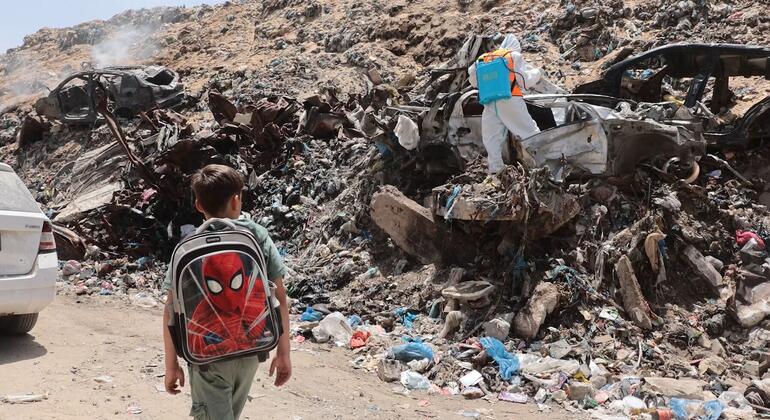
The Gaza Strip faces dire humanitarian conditions. The United Nations reports that over two million people are in need of assistance, grappling with issues such as food insecurity, shortages of medical supplies, and inadequate shelter. Aid organizations warn that without immediate intervention, the situation could deteriorate further.
Political Unrest
The political landscape in Gaza is fragmented, making it difficult to establish a cohesive transition plan. Different factions vie for power, resulting in a lack of agreement on governance and social services. This instability could lead to a prolonged state of limbo, exacerbating the humanitarian crisis.
Risks of a Stalled Transition Plan
The transition plan discussed at the Security Council is intended to facilitate much-needed reforms. A failure to implement this plan could lead Gaza into a ‘permanent’ state of limbo.
Prolonged Insecurity
If the transition plan stalls, the immediate consequence will be increased insecurity. Potential escalations of violence as various factions attempt to assert their dominance could lead to further casualties. This perpetuates a cycle of violence that the international community has struggled to address.
Economic Decline
An indefinite state of limbo would stifle economic development. Investment is unlikely to occur in an unstable environment, leaving Gaza with limited job opportunities and worsening poverty. With approximately 50% of the population unemployed, the lack of economic activity could generate additional unrest.
International Reactions and Responsibilities
The Security Council’s discussions have received varied reactions from global leaders. Some assert the need for immediate action, while others continue to support the status quo.
Call for Action
Global leaders and humanitarian organizations are urging the Security Council to take decisive action. They argue that a failure to act represents a dereliction of responsibility toward the people of Gaza. Continued dialogue, they suggest, along with tangible support, is essential for creating a stable future.
Criticism of Existing Policies
Critics point to evidence that existing policies toward Gaza have failed. Long-term solutions must replace short-term tactics to foster genuine peace and stability. There is a pressing need for an adaptable strategy that addresses the complex realities on the ground.
The Role of Regional Players
Regional actors also play a crucial role in the potential resolution of the Gaza crisis.
Egypt and Jordan
Egypt and Jordan have historically been instrumental in mediating discussions between conflicting parties. Their influence must be leveraged to push for a transition plan that serves the needs of the Gazan people. Their involvement would be essential in ensuring that any agreement is backed by regional stability.
The Role of Israel
Israel’s security concerns are paramount in any discussion concerning Gaza. However, a sustainable solution requires acknowledging the humanitarian needs of Gazans. Israeli cooperation in the transition process is critical to address these pressing issues.
Global Accountability and the Way Forward
The international community has a responsibility to ensure that the transition plan moves forward effectively.
Funding and Support
Increased funding for humanitarian aid and development projects is necessary to stabilize the region. Financial support can bolster local institutions, making it easier for transition efforts to take root, and helping to prevent a descent into chaos.
Robust Monitoring Mechanisms
Robust mechanisms to monitor the implementation of the transition plan are crucial. There must be clear accountability measures to ensure that resources are utilized efficiently. Regular assessments and reports could help highlight areas of concern and facilitate timely interventions.
Conclusion: Urgency of Action
The future of Gaza hangs in a delicate balance. A stalled transition plan threatens to anchor its population in a permanent state of limbo. As the Security Council continues its discussions, the implications of their decisions will resonate for years to come.
It is imperative that all stakeholders, from local leaders to global powers, actively participate in crafting a sustainable path forward. Without immediate action, Gaza risks plunging deeper into crisis, overshadowing the hope for a more stable and prosperous future.
Call to Action
Global citizens can play a role by advocating for humanitarian aid and supporting organizations focused on sustainable development in Gaza. By raising awareness and contributing to meaningful initiatives, together, we can illuminate a path toward hope for the people of Gaza.
In times of uncertainty, the call for unity, understanding, and strategic action could potentially reshape the destiny of an entire region. Let us not allow Gaza to remain in limbo. The time for action is now.
For more details and the full reference, visit the source link below:
Read the complete article here: https://news.un.org/feed/view/en/story/2026/05/1167568