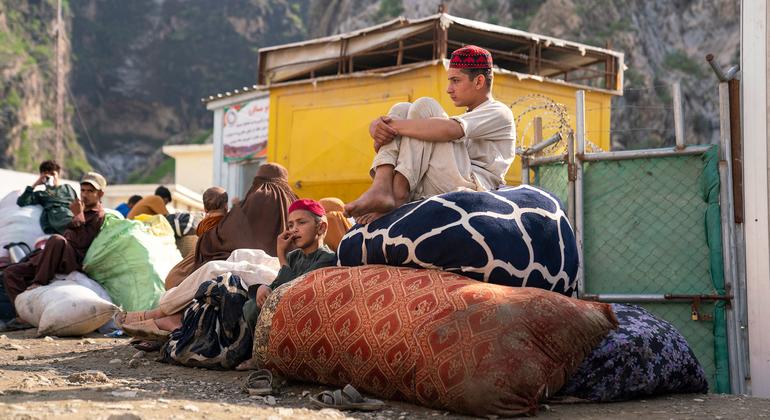

Fears Grow for Ordinary Afghans After Further Clashes with Pakistan
In recent months, tensions between Afghanistan and Pakistan have escalated, raising significant concerns for ordinary Afghans caught in the crossfire. As border clashes continue, the humanitarian situation is becoming increasingly dire, affecting the lives of countless civilians. In this article, we explore the escalating conflict between these neighboring nations and its implications for the Afghan population.
The Background of Afghan-Pakistani Relations
Historical Context
The relationship between Afghanistan and Pakistan has been fraught with tension since the partition of British India in 1947. Disputes over border delineation, particularly regarding the Durand Line, have led to ongoing conflict. This border, established in 1893, remains unrecognized by Afghanistan, creating a persistent source of friction.
Recent Developments
In recent times, border skirmishes have intensified, especially in regions such as Kunar and Nangarhar, where militant activities and cross-border incursions are prevalent. Pakistani military operations have increasingly targeted Afghan territory, often leading to tragic civilian casualties and displacements.
The Impact on Ordinary Afghans
Escalating Violence
The ongoing violence between Afghan and Pakistani forces poses a direct threat to ordinary civilians. Reports of artillery shelling, drone strikes, and armed confrontations have resulted in numerous deaths and injuries among non-combatants. Families are often forced to flee their homes, seeking safety amid chaos and uncertainty.
Humanitarian Crisis
The humanitarian implications of this conflict are severe. Many Afghans lack access to basic necessities such as food, clean water, and healthcare. As clashes continue, aid organizations struggle to provide assistance, further exacerbating the suffering of the civilian population. The displacement of families leads to overcrowded conditions in temporary shelters, increasing the risk of disease outbreaks.
Psychological Impact
Beyond the physical threats, the psychological toll on ordinary Afghans is profound. Constant exposure to violence and instability breeds fear, anxiety, and traumatic stress. Children, in particular, face challenges that can hinder their development and mental well-being. The impact on education is also significant; schools in conflict-affected areas often remain closed, depriving children of learning opportunities.
Reasons for Heightened Tensions
Cross-Border Militancy
Militant groups operate along the Afghanistan-Pakistan border, complicating the situation further. The Taliban, ISIS, and other factions exploit the chaos, conducting cross-border raids and exacerbating conflicts. Both governments struggle to control these groups, raising security concerns on both sides of the border.
Political Motivations
Political dynamics in both countries contribute to the rising tensions. Nationalism, territorial disputes, and propaganda amplify hostilities. Leaders in both nations may use the conflict to rally domestic support and divert attention from internal issues, further complicating the situation for ordinary citizens.
International Response
Global Engagement
The international community plays a critical role in addressing the situation. Organizations like the United Nations and various NGOs are working to provide humanitarian assistance to those affected by the conflict. However, geopolitical interests often hinder effective collaboration and intervention.
Calls for Resolution
There have been calls from various global leaders for dialogue and peaceful resolution of the conflict. Diplomatic efforts must be prioritized to create a stable environment that protects the rights and safety of ordinary Afghans.
The Path Forward: Addressing Ordinary Afghans’ Fears
Urgent Humanitarian Assistance
As fears grow for ordinary Afghans, urgent humanitarian assistance is needed. Access to food, healthcare, and shelter must be prioritized to alleviate the suffering of displaced families. International aid organizations must collaborate with local agencies to ensure effective distribution of resources.
Conflict Resolution Efforts
Engaging in honest and open dialogue between Afghanistan and Pakistan can pave the way for conflict resolution. Mediated discussions involving neutral parties might help ease tensions and foster a climate conducive to peace.
Empowering Local Communities
Empowering local communities is critical in addressing fears and providing resilience against the impact of conflict. Initiatives aimed at education, mental health support, and economic development can improve the lives of ordinary Afghans and help them cope with the ongoing challenges.
Conclusion
The fears growing among ordinary Afghans amid ongoing clashes with Pakistan underscore the urgent need for attention and action. With escalating violence, a worsening humanitarian crisis, and psychological trauma affecting countless families, it is imperative for international stakeholders to pay heed to this pressing issue. Peaceful resolutions, humanitarian aid, and community empowerment strategies are vital in alleviating the challenges faced by ordinary Afghans, allowing them to hope for a stable and secure future.
For more details and the full reference, visit the source link below:
Read the complete article here: https://news.un.org/feed/view/en/story/2026/02/1167049

