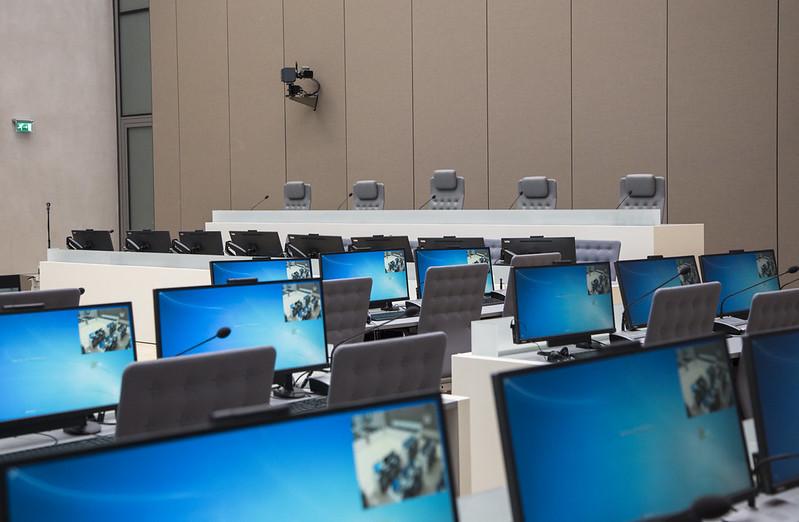

The El Hishri Case: ICC Presidency Constitutes Trial Chamber VII
Introduction
The International Criminal Court (ICC) plays a critical role in addressing serious international crimes. Among its notable cases is the El Hishri case, which has significant implications for international law and justice. This article explores the ICC’s mandate, the specificities of the El Hishri case, the implications of establishing Trial Chamber VII, and its impact on global jurisprudence.
Understanding the ICC’s Role
The ICC, established by the Rome Statute of 1998, aims to hold accountable those responsible for crimes such as genocide, war crimes, and crimes against humanity. With 123 member states, the court functions as a last resort, intervening only when national courts fail to genuinely prosecute offenders.
The Importance of the ICC
The ICC contributes to global justice by fostering accountability and deterring future atrocities. The establishment of specialized chambers like Trial Chamber VII enhances the court’s ability to handle complex cases effectively by providing expert judicial oversight.
Overview of the El Hishri Case
Background of the Case
The El Hishri case emerged against the backdrop of escalating violence and human rights violations. Allegations against El Hishri included grave abuses that contravened international law. As a result, the ICC moved to investigate and prosecute the individual, emphasizing its objective to dismantle impunity.
Charges and Legal Framework
Various charges were brought against El Hishri, including:
- War Crimes: Engaging in acts that constitute serious violations of the laws applicable in armed conflict.
- Crimes Against Humanity: Committing acts that are part of a widespread or systematic attack against a civilian population.
The legal framework underpinning these charges is rooted in international customary law and the Rome Statute.
Formation of Trial Chamber VII
ICC Presidency and Its Functions
The ICC is administered by a Presidency which oversees the court’s judicial functions and ensures smooth operational processes. The decision to constitute Trial Chamber VII was crucial for handling the complexities associated with the El Hishri case.
The Composition of Trial Chamber VII
Trial Chamber VII comprises a panel of judges with specialized training in international law, human rights, and international humanitarian law. This diverse composition not only enhances decision-making but also ensures that various perspectives are considered during the trial.
Strategic Importance of Trial Chamber VII
The establishment of Trial Chamber VII specifically for the El Hishri case underscores the ICC’s commitment to delivering justice efficiently. By focusing exclusively on this case, the chamber can delve deeper into the evidence presented while allowing the affected communities to witness their pursuit of justice.
Implications of the El Hishri Case on International Law
Judicial Precedents
The outcome of the El Hishri case not only affects the parties involved but also sets judicial precedents for future cases. As the ICC develops its jurisprudence, the El Hishri case serves as a reference for defining the boundaries of accountability, especially concerning non-state actors.
Strengthening International Norms
The proceedings of the El Hishri case aim to reinforce international norms against impunity. A successful prosecution would underline the message that violations of international humanitarian law will be met with justice, incentive for states to strengthen their own judicial frameworks.
Impact on Victims and Communities
Advocacy for Victim Rights
The ICC prioritizes the rights and voices of victims within its processes. The El Hishri case emphasizes the importance of reparations and restitution for victims, advocating that justice restores dignity and compensates for the atrocities suffered.
Community Engagement
The ICC, particularly through cases like El Hishri, emphasizes community engagement in its processes. This approach not only helps in building trust but also promotes awareness about the judicial process, encouraging victims and their communities to participate actively.
Challenges Faced by the ICC in the El Hishri Case
Political Interference
Political pressures can impact the ability of the ICC to function independently. The El Hishri case may face challenges stemming from state actors who oppose ICC intervention, complicating the prosecution process.
Evidence Gathering
Gathering evidence in international criminal cases often presents hurdles, especially in conflict zones. The case against El Hishri highlights the difficulties of securing testimonies and documents, vital for a robust legal framework.
Conclusion
The El Hishri case represents a pivotal moment for the International Criminal Court and international justice as a whole. The establishment of Trial Chamber VII signifies a strategic effort to ensure justice for victims of grave crimes. While challenges remain, the ICC’s commitment to upholding accountability and reinforcing international law continues to inspire aspirations for a just world. As the proceedings unfold, the outcome may substantially influence global efforts to combat impunity and uphold human rights standards.
SEO Optimization Considerations
- Keywords: ICC, El Hishri case, Trial Chamber VII, international law, war crimes, crimes against humanity.
- Meta Description: Explore the implications of the El Hishri case within the ICC and the establishment of Trial Chamber VII, highlighting its role in global justice and accountability.
- Headers: Use of H1, H2, H3 headings to organize content for better readability and SEO performance.
By focusing on these aspects, this article aims to inform readers not only about the specifics of the El Hishri case but also about the overarching significance of the ICC and its roles in promoting international justice.
For more details and the full reference, visit the source link below:
Read the complete article here: https://www.icc-cpi.int/node/239355