
DR Congo: Violence Intensifies as UN Mission Pledges Continued Support
Introduction
The Democratic Republic of the Congo (DRC) has been grappling with a cycle of violence that has deeply affected its populace and stability. Despite various international efforts to bring peace, regions within the DRC continue to experience brutality, displacements, and human rights abuses. This blog post examines the escalating violence in the DRC, the role of the United Nations (UN) in peacekeeping efforts, and the impact of ongoing conflicts on the Congolese people.
Understanding the Current Situation
The DRC is rich in natural resources, including minerals such as gold, diamonds, and copper. However, this wealth has often been a double-edged sword, leading to exploitation, conflicts, and inter-ethnic tensions. Over the past few months, violence has surged in multiple provinces, particularly in the east. Armed groups have been vying for territory, exacerbating the already dire humanitarian crisis.
Key Factors Contributing to Violence
-
Armed Groups and Militia Activity: With an estimated 120 armed groups operating in the eastern regions, the DRC faces a complex security landscape. These groups often exploit local grievances, competing for control over resources and territory.
-
Ethnic Tensions: Long-standing ethnic rivalries fuel the violence, often leading to targeted attacks on specific communities. This not only causes immediate harm but fosters deep-rooted animosities that are difficult to resolve.
-
Weak Governance: Ineffective governance has permitted the proliferation of violence. Weak state institutions struggle to maintain law and order, giving rise to a power vacuum that armed groups readily exploit.
-
External Influences: Neighboring countries and foreign corporations often exacerbate the situation by seeking control over resources, further complicating the conflict.
The United Nations’ Role
The United Nations Stabilization Mission in the Democratic Republic of the Congo (MONUSCO) has been actively involved in attempting to stabilize the region. Established in 1999, MONUSCO aims to protect civilians, support humanitarian assistance, and promote human rights.
Commitment to Protect Civilians
MONUSCO’s primary goal is to protect civilians from the ongoing violence. Recent pledges from the UN emphasize the mission’s commitment to safeguarding vulnerable populations in conflict-affected areas. Through patrols, military presence, and strategic partnerships with local organizations, MONUSCO has sought to provide a shield against rampant violence.
Capacity Building and Support
Beyond immediate protection, the UN provides critical support for military and police reforms, legal assistance, and the establishment of governance structures. These efforts aim to create a more stable environment that could ultimately lead to lasting peace.
Humanitarian Assistance
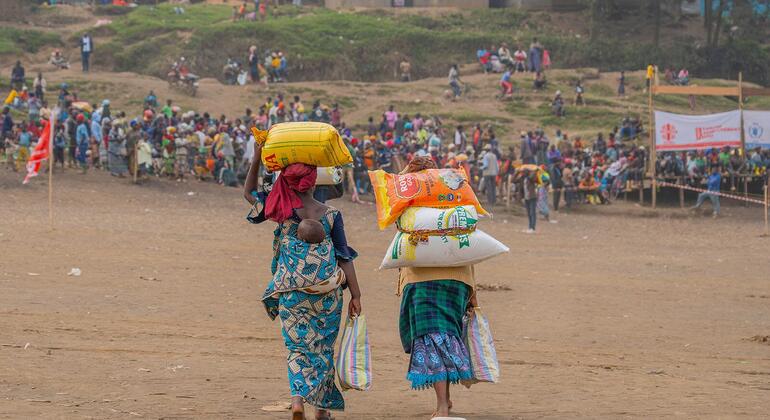
In addition to its protection mandate, MONUSCO plays a vital role in facilitating humanitarian assistance. As violence escalates, the need for food, shelter, and medical care also rises. The UN collaborates with NGOs and local organizations to deliver aid to those affected by conflict, aiming to alleviate suffering and restore dignity to displaced persons.
The Human Impact of Violence
The ongoing violence has grave consequences for civilians. The deteriorating security situation has led to an alarming increase in displacement and humanitarian needs.
Displacement Crisis
Recent reports indicate that millions have been internally displaced due to violence. Families are fleeing their homes, often facing dire conditions in overcrowded camps. Access to basic services such as healthcare, education, and sanitation is severely restricted, further exacerbating the crisis.
Trauma and Mental Health
The psychological toll on civilians is significant. Many individuals have faced trauma from violent encounters, loss of family, or witnessing atrocities. Mental health resources are scarce, leaving those affected to cope with their experiences in isolation.
Violation of Human Rights
Reports of human rights violations, including sexual violence, torture, and extrajudicial killings, have increased. Women and children are particularly vulnerable, with many facing targeted attacks. The international community must recognize and address these egregious violations as part of a holistic approach to conflict resolution.
The Way Forward
To address the complex challenges in the DRC, a multifaceted approach is essential. The following strategies could pave the way toward lasting peace:
Strengthening Governance
Building effective governance structures is crucial for long-term stability. The DRC must prioritize transparency, accountability, and inclusivity in its political systems, ensuring that all voices are heard in the decision-making process.
Empowering Local Communities
Local involvement and empowerment can lead to more sustainable peace. By engaging communities in dialogue and conflict resolution initiatives, local grievances can be addressed more effectively, fostering a sense of ownership over the peace process.
Supporting Economic Development
Investing in economic opportunities can reduce the appeal of armed groups and create an environment conducive to peace. Development programs focusing on job creation, education, and infrastructure can help provide alternatives for disaffected youth.
International Cooperation
The international community must continue its commitment to the DRC through humanitarian assistance, diplomatic efforts, and support for peacekeeping initiatives. Global partnerships can play a crucial role in facilitating dialogue and ensuring that the DRC’s sovereignty and development goals are prioritized.
Conclusion
The situation in the Democratic Republic of the Congo is complex and challenging, characterized by escalating violence and humanitarian needs. While the UN mission pledges continued support, a more strategic, collaborative approach involving all stakeholders—including the Congolese government, local communities, and international partners—will be essential for achieving sustainable peace. By addressing the root causes of violence, fostering governance, and empowering citizens, the DRC can hope to move toward a more stable and prosperous future. The path ahead may be fraught with obstacles, but with dedicated efforts, a brighter tomorrow is possible for the Congolese people.
Keywords: DR Congo, violence, UN mission, MONUSCO, humanitarian crisis, armed groups, peacekeeping, governance, displacement, human rights.
For more details and the full reference, visit the source link below:
Read the complete article here: https://news.un.org/feed/view/en/story/2026/03/1167204