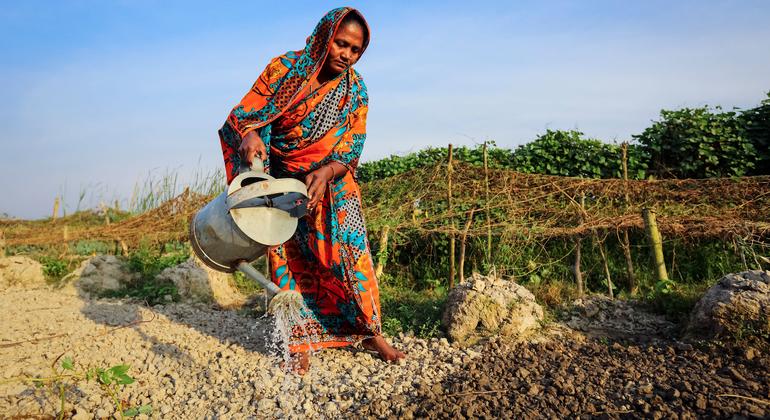

Clock is Ticking: Hormuz Disruption Raises Fears of Global Food Crisis
Introduction
The Strait of Hormuz, a narrow passage that connects the Persian Gulf to the Gulf of Oman, is one of the most strategic waterways in the world. Approximately 20% of global oil trade passes through this vital route, making it a geopolitical hotspot. Recent disruptions in this area have sparked fears of a looming global food crisis, particularly as the world grapples with supply chain issues exacerbated by geopolitical tensions, climate change, and pandemics. This article explores the implications of disruptions in the Strait of Hormuz and highlights how this may lead to a global food crisis.
Understanding the Importance of the Strait of Hormuz
Strategic Significance
The Strait of Hormuz is a crucial chokepoint not just for oil but also for agricultural products, particularly those that depend on oil for transportation and production. Countries that rely on the import of oil for agriculture, including fertilizers and machinery, can experience significant disruptions when this passage is threatened.
Economic Implications
Any disruption in the Strait of Hormuz can lead to significant rises in fuel prices. An increase in fuel prices can trickle down to all sectors of the economy, most notably agriculture, where transportation costs are paramount. Consequently, this could lead to increased food prices worldwide, exacerbating food insecurity in vulnerable regions.
Current Challenges in Global Food Supply Chains
Climate Change
Climate change has already made agriculture more susceptible to adverse conditions, resulting in unpredictable harvests. Droughts, floods, and other extreme weather events can lead to crop failures, pushing food prices even higher. In regions reliant on imports, even a slight disruption in supply lines can have devastating effects.
Pandemic-Related Supply Chain Issues
The COVID-19 pandemic has unveiled vulnerabilities within global supply chains. Lockdowns and labor shortages led to significant disruptions in food production and distribution. As the world moves towards recovery, the lingering effects are still visible, with many regions struggling to restore their food supply chains.
The Link Between Oil and Food Security
Fertilizers and Transportation
The reliance of modern agriculture on fossil fuels is a crucial factor in the potential food crisis. Fertilizers, which are essential for crop production, are heavily dependent on oil. When oil prices spike due to geopolitical events like disruptions in Hormuz, the cost of fertilizers rises, impacting food production.
The Ripple Effect on Agriculture
Increased oil prices due to disruptions can lead to higher transportation costs for food products. This can create a domino effect, where food prices rise in consumer markets, leading to increased food insecurity in developing nations reliant on imports.
Regional Impacts of Hormuz Disruption
Middle East
The Middle East is already facing food security challenges. Food import dependency is high in countries like Yemen and Syria, where conflicts and economic crises exacerbate the situation. Disruptions at Hormuz could severely limit their access to essential supplies, worsening humanitarian crises.
African Nations
Many African countries rely on imports of staple foods like grains and oilseed. Countries such as Egypt, which imports a significant portion of its wheat, would be directly impacted by rising prices and shortages, leading to potential unrest and famine.
Global Implications
Increased Commodity Prices
Any continued disruption in the Strait of Hormuz will likely lead to inflated prices for agricultural commodities globally. This could spark inflationary pressures worldwide, affecting everything from rents to staple food prices, thus putting an enormous strain on household budgets.
Diplomatic Tensions
Fears of a food crisis could exacerbate geopolitical tensions as nations scramble to secure their food supplies. Increased competition for limited resources could lead to conflicts, with nations potentially engaging in more confrontational foreign policies.
Mitigating Strategies
Diversification of Supply Sources
Countries highly dependent on imports must diversify their suppliers. By creating a more resilient supply chain, they can reduce vulnerability to disruptions in any single region, including Hormuz.
Investment in Local Agriculture
Governments should consider investing in local agriculture to reduce dependence on imports. Enhancing domestic production capabilities can provide a buffer against global disruptions, ensuring food supplies during crises.
Strategic Reserves
Building and maintaining strategic food reserves can also help mitigate the impact of shortages caused by global disruptions. These reserves can serve as a safety net, particularly for countries vulnerable to food insecurity.
Conclusion
The clock is ticking. As tensions rise in the Strait of Hormuz, the potential for widespread disruption in global food supplies looms large. Given the interconnected nature of today’s world, any significant interruption can affect agricultural sectors on every continent. Policymakers, businesses, and individuals must take proactive steps to prepare for potential food crises. Only with proactive measures can we hope to avert the challenges that lie ahead and ensure food security for future generations.
By discussing the various implications of disruptions in the Strait of Hormuz, this article aims to raise awareness and encourage dialogue among stakeholders to foster a more secure and resilient food system globally.
For more details and the full reference, visit the source link below:
Read the complete article here: https://news.un.org/feed/view/en/story/2026/04/1167289

