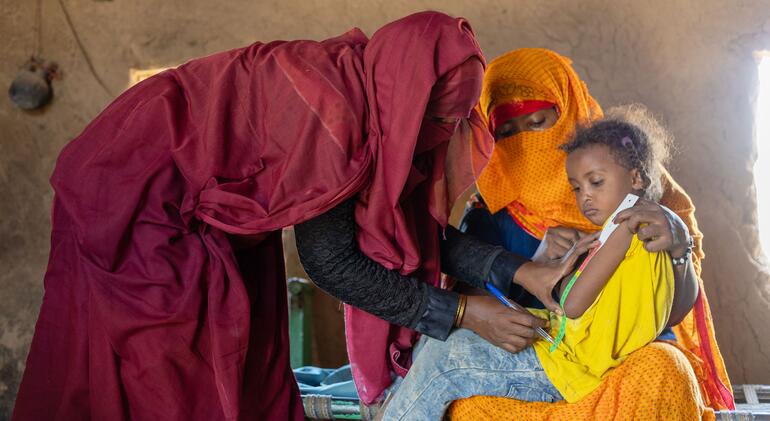

Child Malnutrition Hits Catastrophic Levels in Parts of Sudan
Introduction
Child malnutrition is a pressing global issue, but in certain regions of Sudan, the crisis has reached catastrophic levels. With ongoing conflicts, economic instability, and environmental challenges, thousands of children are suffering from acute malnutrition. This article delves into the causes, consequences, and potential solutions to this humanitarian crisis.
Understanding Malnutrition
What is Malnutrition?
Malnutrition occurs when a child’s dietary intake does not meet their nutritional needs. It includes undernutrition (stunting, wasting, and micronutrient deficiencies) and overnutrition, leading to obesity. In the context of Sudan, the focus is primarily on undernutrition.
Types of Malnutrition
- Acute Malnutrition (Wasting): Characterized by a rapid weight loss or failure to gain weight, often measured by a low weight-for-height ratio.
- Chronic Malnutrition (Stunting): A severe shortage of nutrients over an extended period, leading to reduced growth and development.
- Micronutrient Deficiency: A lack of essential vitamins and minerals that are crucial for a child’s health and development.
Current Situation in Sudan
Rising Rates of Malnutrition
As per recent reports from UNICEF and other humanitarian organizations, parts of Sudan are experiencing alarming rates of child malnutrition. For instance, some regions are reporting malnutrition rates as high as 30%, which far exceeds the emergency threshold of 15%.
Geographic Hotspots
Certain states in Sudan, particularly in conflict-affected areas like Darfur and South Kordofan, are among the hardest hit. The ongoing violence and displacement have led to disrupted food supplies, making it increasingly difficult for families to provide adequate nutrition for their children.
Root Causes of Malnutrition in Sudan
Conflict and Instability
Conflict is perhaps the primary driver of child malnutrition in Sudan. Ongoing violence displaces families, disrupts food production, and hampers humanitarian assistance. With many areas inaccessible due to fighting, aid organizations struggle to deliver food and essential services.
Economic Factors
Sudan’s economy has faced significant challenges, exacerbated by high inflation, currency devaluation, and loss of traditional agricultural markets. Many families find themselves unable to afford even basic food items, pushing them into a cycle of poverty and malnutrition.
Climate Change and Food Security
Sudan is particularly vulnerable to climate change. Droughts and floods disrupt agricultural cycles, leading to food shortages. The deterioration of the agricultural sector means that many families rely on food aid, which is often inconsistent and inadequate.
Consequences of Malnutrition
Physical Health Implications
Children suffering from malnutrition are at risk for a wide array of health problems, including:
- Weakened immune systems, increasing susceptibility to diseases.
- Developmental delays that can affect physical, emotional, and cognitive growth.
- Higher mortality rates among malnourished children.
Long-term Socioeconomic Effects
The impact of child malnutrition extends beyond immediate health concerns. Malnourished children grow into adults with limited potential, perpetuating the cycle of poverty. Reduced productivity and increased healthcare costs can hinder national development and stability.
Addressing the Crisis: Immediate Interventions
Emergency Food Aid
Immediate food aid is crucial for addressing acute malnutrition. Organizations like the World Food Program (WFP) are working tirelessly to deliver emergency rations to affected families. However, funding shortages often hinder these efforts.
Nutritional Programs
Implementing community-based nutritional programs can make a significant difference. These programs educate families about nutrition and provide meals rich in essential nutrients. Supplements containing vitamins and minerals are also crucial for children already affected by malnutrition.
Long-term Solutions
Revitalizing Agriculture
Strengthening Sudan’s agricultural sector is essential for achieving food security. Training farmers in sustainable practices and providing access to resources and technology can help communities produce more food and reduce their reliance on aid.
Health and Education Initiatives
Investing in healthcare and education can help combat malnutrition in the long run. Health systems must be strengthened to ensure that children receive necessary health checks and vaccinations. Educational programs focusing on nutrition can empower families to make better dietary choices.
Economic Stability
Addressing the economic challenges facing Sudan is critical. International support for rebuilding the economy, coupled with efforts to stabilize the political situation, can help families afford the food they need.
The Role of International Community
Humanitarian Aid
International organizations play an essential role in addressing child malnutrition in Sudan. Sustained support and funding are needed to ensure that aid reaches all corners of the country, especially in conflict-affected areas.
Advocacy and Awareness
Raising awareness about the malnutrition crisis in Sudan is vital. Advocacy efforts can mobilize support from governments and donors, enabling resources to be funneled into effective interventions.
Conclusion
Child malnutrition in Sudan has reached catastrophic levels, driven by conflict, economic instability, and environmental challenges. While immediate interventions such as food aid and nutritional programs are essential, long-term solutions focused on agriculture, health, and economic stability are crucial for breaking the cycle of malnutrition. The international community’s support is paramount in addressing this humanitarian crisis. Only through collective action and sustained commitment can we hope to secure a healthier future for the children of Sudan.
For more details and the full reference, visit the source link below:
Read the complete article here: https://news.un.org/feed/view/en/story/2026/02/1166898