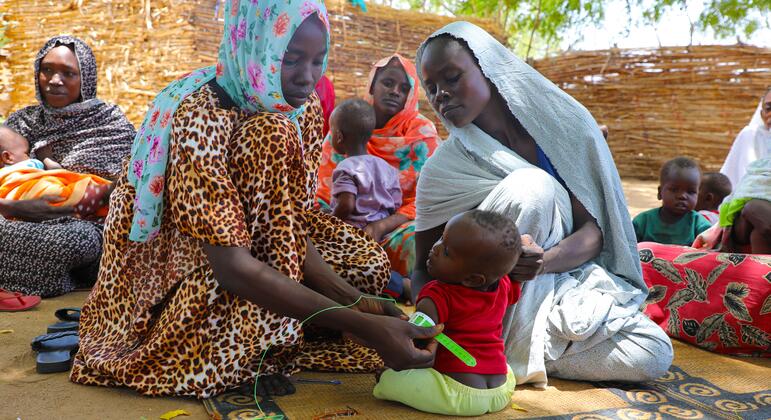

Chad’s Refugee Crisis Overwhelms Maternity Care: A UN Warning
Introduction
Chad, situated in Central Africa, has been grappling with a profound humanitarian crisis compounded by the influx of refugees from neighboring countries. The United Nations has issued stark warnings about the strain this crisis places on the nation’s already fragile maternity care system. As the situation escalates, it becomes crucial to examine the implications for maternal health and overall community well-being.
Overview of the Refugee Crisis in Chad
The Humanitarian Landscape
Chad hosts thousands of refugees fleeing conflicts and instability from countries such as Sudan, the Central African Republic, and Nigeria. This influx has been further exacerbated by climate change, leading to increased food insecurity and displacement. The nation, already grappling with economic challenges, finds itself ill-equipped to manage the needs of both its citizens and the newcomers.
The Numbers Tell the Story
As of recent reports, Chad is home to nearly 600,000 refugees. The majority reside in eastern regions, which were already struggling with limited healthcare infrastructure. The sheer volume of displaced individuals has resulted in a significant rise in the demand for essential health services, particularly maternal care.
The State of Maternity Care in Chad
Current Healthcare Infrastructure
Chad’s healthcare system is one of the least developed in the world, with a limited number of trained health personnel and facilities. The maternal mortality rate is alarmingly high, and with the addition of refugees, the situation has worsened. Many women are unable to access adequate prenatal, delivery, and postnatal care.
Challenges for Pregnant Refugees
Pregnant refugees face unique challenges. They often lack access to essential services and encounter barriers such as language differences, cultural misunderstandings, and financial constraints. Moreover, the stigma surrounding unassisted childbirth in some communities persists, creating additional hurdles in seeking help.
The Impact of the Refugee Influx on Maternity Services
Increased Demand for Services
With the rising number of refugees, maternity care services in Chad are being stretched to the breaking point. Clinics and hospitals are overwhelmed, with pregnant women often forced to wait long hours for basic services. This delay can have severe consequences for both maternal and infant health.
Scarcity of Resources
Healthcare facilities are struggling with inadequate supplies and lack of trained personnel. This scarcity has resulted in a significant decline in the quality of care available for expectant mothers. Essential medicines, prenatal vitamins, and surgical facilities for complications are in short supply, jeopardizing the health of mothers and infants alike.
The Role of the UN and Aid Organizations
Humanitarian Response Efforts
The United Nations has called for urgent assistance to address the maternity care crisis in Chad. Humanitarian organizations are working tirelessly to provide medical services, distribute food, and build resilience in affected communities. However, these efforts face immense challenges, including funding shortages and logistical obstacles.
Building Capacity
Efforts are being made to bolster local healthcare capacity. Training programs for healthcare workers and community health programs have been initiated to improve maternal health services. These initiatives aim to empower local communities and reduce reliance on external aid over time.
The Long-Term Consequences of Ignoring the Crisis
Maternal and Infant Health Risks
Ignoring the refugee crisis and the strain it places on maternal healthcare can have dire consequences. Increased maternal and infant mortality rates could lead to long-term health issues within the community, undermining efforts toward sustainable development and recovery.
Socioeconomic Impact
The inability to address maternal health issues not only poses immediate health risks but also has broader socioeconomic implications. Healthy mothers are crucial for raising healthy children who can contribute positively to society. Failure to support maternal health can lead to cycles of poverty and instability.
What Needs to Be Done
Immediate Humanitarian Action
To effectively respond to the crisis, prioritization of funding and resources is essential. Governments and international organizations must work together to deliver immediate humanitarian aid, including essential medical supplies and support systems for healthcare providers.
Focus on Maternal Health Programs
Establishing targeted maternal health programs that cater to both local and refugee populations can mitigate the crisis. Accessibility to healthcare facilities should be a priority, along with increased outreach and education efforts about maternal health services.
Conclusion
Chad’s refugee crisis represents a complex intersection of humanitarian gaps and health system vulnerabilities. As the UN warns, the overwhelming demand for maternity care poses serious risks to both mothers and infants. To avert a worsening tragedy, immediate action is essential. By focusing on improving maternal health services and supporting the healthcare workforce, we can provide better outcomes for the most vulnerable populations involved in this crisis.
Call to Action
For individuals and organizations looking to contribute, consider supporting humanitarian efforts aimed at maternal health in Chad. Advocacy for policy changes and increased funding can also play a significant role in addressing the urgent needs of pregnant women and children in crisis situations. Together, we can help alleviate the burden on Chad’s overstretched maternity care system and foster a healthier future for all.
For more details and the full reference, visit the source link below:
Read the complete article here: https://news.un.org/feed/view/en/story/2026/05/1167494

