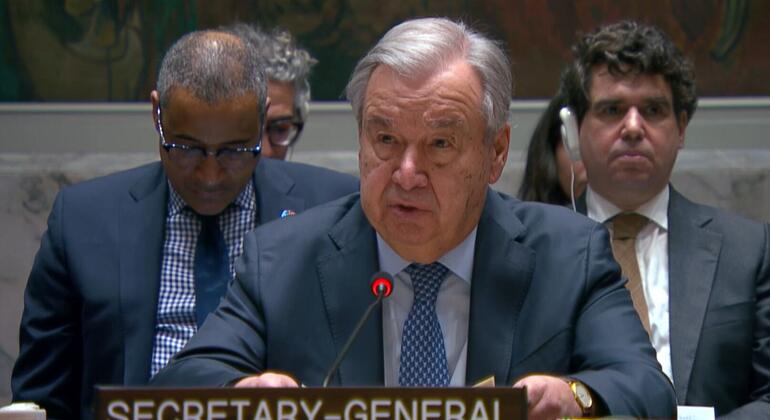

Bombing of Iran: A Grave Threat to International Peace and Security
Introduction
The geopolitical landscape of the Middle East is increasingly fraught with tension, particularly regarding the Iran conflict. Recent discussions on a potential bombing of Iran have raised alarms worldwide, prompting UN Secretary-General António Guterres to label such actions as a “grave threat to international peace and security.” This article delves into the implications of military strikes against Iran, the humanitarian consequences, and the broader ramifications for global security.
Context of the Iran Conflict
The Iran conflict has roots in a complex web of historical, political, and economic factors. Tensions have flared due to Iran’s nuclear ambitions, its role in regional conflicts, and its relationships with various state and non-state actors. The U.S. withdrawal from the Joint Comprehensive Plan of Action (JCPOA) in 2018 exacerbated these tensions, leading to escalating military posturing and diplomatic breakdown.
Guterres’ Warning on Military Action
Understanding Guterres’ Stance
António Guterres has consistently advocated for diplomacy over military confrontation. His assertion that a bombing campaign against Iran poses a “grave threat to international peace and security” underscores the precarious nature of the situation. Guterres emphasizes that military action can lead to an uncontrollable escalation of conflict, with potentially devastating consequences not only for the region but for global stability as well.
The Humanitarian Crisis
Military strikes can lead to significant humanitarian crises. Airstrikes often result in civilian casualties, displacement, and destruction of critical infrastructure. The potential for humanitarian disasters increases, particularly in a country like Iran, where the population is already facing economic sanctions and hardships. An escalation of violence would exacerbate these challenges, undermining efforts to address the humanitarian needs of the Iranian people.
The Risk of Regional Escalation
Impact on Neighboring Countries
A bombing of Iran could lead to a domino effect, destabilizing neighboring countries. The potential for retaliatory strikes from Iran against U.S. forces or allies in the region, including Israel and Saudi Arabia, can trigger a wider conflict. This could embroil the Middle East in a broader war, impacting global economies and exacerbating refugee crises.
Sectarian Tensions
Additionally, the sectarian divide between Sunni and Shia Muslims could be further inflamed by military action. Iran is predominantly Shia, while many of its regional adversaries, including Saudi Arabia, are Sunni-majority countries. A military offensive against Iran could galvanize sectarian groups and lead to violent repercussions across the Muslim world.
Economic Ramifications
Oil Markets and Global Economy
Iran is a central player in the global oil market. Military action in the region could lead to skyrocketing oil prices, affecting economies worldwide. Disruptions in oil flow from the Middle East can lead to inflation, impacting everything from transportation to consumer goods. The ripple effects of such economic turmoil could be felt far beyond the region, affecting global markets and sparking economic instability.
The Role of International Diplomacy
Importance of Dialogue
The risk of military confrontation underscores the need for sustained international dialogue. Diplomatic solutions should be prioritized to prevent escalation. Initiatives to rebuild trust, including negotiations around nuclear capabilities and regional security, should focus on a cooperative approach rather than one driven by aggression.
The Role of Global Powers
Global powers, including Russia and China, must engage in constructive dialogue to mitigate tensions. Collaborative efforts can play a vital role in preventing a military confrontation and fostering a stable Middle East. The international community has a responsibility to advocate for peaceful resolutions to disputes, emphasizing diplomacy over war.
The Nuclear Dilemma
Iran’s Nuclear Program
Iran’s nuclear program has been at the center of global discussions, raising international concerns about its potential to develop nuclear weapons. While diplomatic efforts like the JCPOA aimed to curtail these ambitions, ongoing tensions have complicated these negotiations. A military strike would likely undermine any chance of a peaceful resolution and could spur Iran to accelerate its nuclear program in a show of defiance.
Consequences of Nuclear Proliferation
If Iran were to develop nuclear arms, it could lead to a nuclear arms race in the region, with other countries feeling compelled to pursue their nuclear capabilities. This would fundamentally alter the security dynamics of the Middle East and pose a significant threat to global security.
Human Rights Considerations
The Impact on Civilian Life
The potential for military strikes raises critical human rights concerns. Civilian casualties, displacement, and destruction of essential services would undermine the quality of life for millions. Military action must consider its implications for human rights, as the fallout often disproportionately affects the most vulnerable populations.
The Refugee Crisis
Should military action occur, the resulting refugee crisis could overwhelm neighboring countries, leading to sociopolitical tensions and straining resources. The international community must prepare for this potential scenario, ensuring that humanitarian aid and resettlement programs can adequately support displaced individuals.
Conclusion
The threat of bombing Iran represents not only a military dilemma but a profound humanitarian and geopolitical crisis. As António Guterres emphasizes, any military action against Iran is a grave threat to international peace and security. The consequences—both immediate and far-reaching—affect not only Iran but the entire global community. Promoting diplomacy and dialogue is essential to resolving tensions and ensuring a stable and peaceful future for the region. As discussions continue, the international community must prioritize solutions that foster peace and protect human rights. Preventing military action against Iran should be a collective responsibility aimed at securing a better future for all involved.
For more details and the full reference, visit the source link below:
Read the complete article here: https://news.un.org/feed/view/en/story/2026/02/1167062

