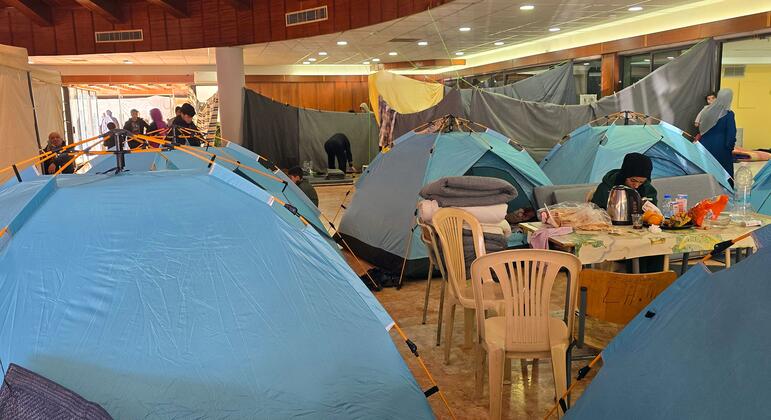

Aid Operations Strained Across the Middle East: WFP Seeks $200 Million to Sustain Food Assistance
The humanitarian crisis in the Middle East continues to escalate, necessitating urgent attention and resources. The World Food Programme (WFP) has launched a plea for $200 million to sustain its food assistance operations in the region. This article explores the challenges faced by aid organizations, the implications of insufficient funding, and the importance of continued support for vulnerable populations in the Middle East.
The Humanitarian Crisis in the Middle East
The Middle East has long been a region fraught with conflict, political instability, and economic challenges. Countries such as Syria, Yemen, and Lebanon suffer from the ramifications of civil war, foreign interventions, and economic collapse. As a result, millions of people are in desperate need of food assistance and other humanitarian aid.
Key Statistics and Facts
- Syria: Over 12 million people are food insecure, with many relying on aid for survival.
- Yemen: The ongoing conflict has left around 16 million people facing acute food insecurity.
- Lebanon: The economic crisis has resulted in skyrocketing food prices, pushing 3 million people into poverty.
These staggering statistics illustrate the dire conditions in these countries, underscoring the urgency of WFP’s funding needs.
The Role of the World Food Programme (WFP)
The WFP is the world’s leading humanitarian organization focused on addressing hunger and food insecurity. Operating in conflict zones and regions impacted by natural disasters, the WFP provides crucial food assistance to millions of people worldwide. Here’s a closer look at the WFP’s mission in the Middle East:
- Emergency Food Assistance: The WFP provides immediate food relief through cash-based transfers and in-kind food distributions.
- School Feeding Programs: Educational initiatives that provide meals in schools encourage attendance and support child nutrition.
- Nutritional Support: Special nutritional programs are tailored for vulnerable groups, including pregnant women and children.
Despite its extensive efforts, the WFP’s capacity to provide assistance in the Middle East is under significant strain due to insufficient funding and increasing demand.
Challenges Facing Aid Operations
Funding Shortfalls
The request for $200 million by the WFP is a reflection of a broader funding crisis faced by humanitarian organizations. Many governments and donors are grappling with their own economic challenges and are less able to contribute to international aid efforts. As funding dwindles, the following challenges emerge:
- Reduced Program Capacity: Without adequate funding, the WFP may have to cut back on essential services, leaving millions without the vital assistance they need.
- Increased Needs: As conflicts persist and new crises arise, the need for food assistance is growing faster than the funding can keep pace.
Logistic and Security Challenges
Delivering aid in conflict zones poses unique challenges. The WFP operates in an environment where security threats are ever-present. Restrictions on movement, damaged infrastructure, and bureaucratic hurdles can delay the distribution of food aid, exacerbating the crisis on the ground.
Political Instability
The political climate in the Middle East is fraught with uncertainty, complicating humanitarian operations. Changes in government, shifting alliances, and fragmented control can hinder the WFP’s ability to conduct operations smoothly.
The Implications of Insufficient Funding
Failing to meet the WFP’s funding request could have dire consequences for millions of vulnerable individuals. Here’s what could happen:
Increased Hunger and Malnutrition
A lack of food assistance would lead to increased rates of hunger and malnutrition, particularly among children and pregnant women. Heightened malnutrition can result in long-term health issues, impairing physical and cognitive development.
Social Instability
Hunger can fuel social unrest and destabilize communities. When people are unable to meet their basic needs, they may resort to desperate measures, potentially leading to violence and conflict.
The Ripple Effect on Global Security
The consequences of hunger and instability in the Middle East are not confined within its borders. A humanitarian crisis can have a domino effect, contributing to migration, which may spark tensions in neighboring countries and even beyond.
The Importance of Continued Support
To avert a worsening of the humanitarian situation, continued support from both the international community and individual donors is critical.
How to Contribute
- Donations: Financial contributions to organizations like the WFP can directly impact food assistance operations.
- Advocacy: Engaging in advocacy efforts to raise awareness about the crisis can mobilize resources and support.
- Volunteering: Many organizations seek volunteers to assist with food distribution and other aid-related activities.
Building Resilience
In addition to immediate food assistance, it is essential to invest in programs that build resilience among communities. Supporting agricultural initiatives, nutrition education, and job creation can empower individuals and communities to sustain themselves in the long term.
Conclusion
The WFP’s request for $200 million is a critical step to maintain food assistance operations in the Middle East, a region grappling with unprecedented humanitarian challenges. Without sufficient funding, the consequences could be dire, affecting millions of vulnerable people and further destabilizing an already volatile area. It is incumbent upon the international community to respond to this urgent need and ensure that aid operations are sustained.
Call to Action
In conclusion, let us stand together in support of those in need in the Middle East. Whether through donations, advocacy, or volunteer work, every action counts. The time to act is now—because hunger should never be an option.
By addressing the ongoing humanitarian crisis and the need for financial support in a coherent and informative manner, this article serves to raise awareness about the vital work of the WFP and the importance of sustaining aid operations in the Middle East.
For more details and the full reference, visit the source link below:
Read the complete article here: https://news.un.org/feed/view/en/story/2026/03/1167121

