
Protecting Children in War Is Key to Lasting Peace: Insights from a Top UN Envoy
Introduction
In recent years, the discourse surrounding armed conflict has increasingly highlighted a crucial and often overlooked aspect: the protection of children. The United Nations Secretary-General’s Special Representative for Children and Armed Conflict has emphasized that safeguarding children during conflicts is vital for achieving lasting peace. This article delves into why protecting children in war is paramount, the consequences of neglect, and the comprehensive actions necessary to secure their safety and, consequently, a more stable future.
Understanding the Impact of War on Children
Emotional and Psychological Trauma
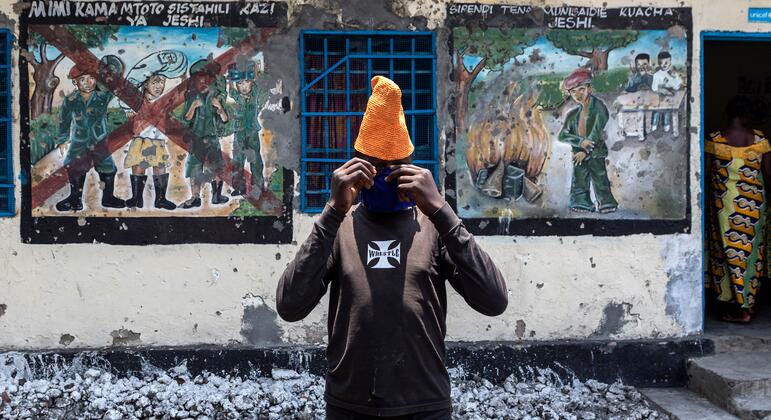
Children caught in war zones face unprecedented levels of emotional and psychological stress. Exposure to violence, displacement from their homes, and the loss of family members often lead to long-term trauma. Studies show that children in war-torn regions are more likely to experience anxiety, depression, and developmental disorders, which can have cascading effects throughout their lives.
Physical Vulnerability
Children are particularly vulnerable to physical harm during conflicts. Not only are they more likely to be victims of violence, but they also face threats from famine, disease, and lack of access to essential services. The impact of war on a child’s physical health can last a lifetime, affecting their ability to learn, work, and contribute positively to society.
The Long-term Consequences of Neglecting Children’s Rights in Conflicts
Breeding a Cycle of Violence
When children are not protected during armed conflicts, the broader societal implications can be dire. Research indicates that children who grow up in violent environments are more likely to perpetuate cycles of violence in the future. This perpetuates ongoing conflicts, hindering the possibility of peace and stability for generations to come.
Economic Implications
Investing in the protection and rehabilitation of children during war can have significant economic benefits. According to various studies, war-affected societies that prioritize children’s well-being show higher economic returns in the long run. Conversely, neglecting children’s needs can result in a lost generation, costing nations both human potential and economic stability.
Steps to Protect Children in Conflict
Strengthening International Laws and Protocols
International laws, such as the UN Convention on the Rights of the Child (CRC) and the Optional Protocol on the Involvement of Children in Armed Conflict, serve as crucial frameworks for protecting children. These laws need to be strengthened and actively enforced. Governments must be held accountable for violations, and all countries should commit to prioritizing children’s rights in their military and foreign policies.
Education Initiatives
Education is a powerful tool for transformative change. Initiatives aimed at providing educational opportunities in conflict zones can help shield children from the impacts of war. Not only does education offer safety and structure, but it also equips children with skills and knowledge necessary for a peaceful and productive future.
Community-Based Programs
Community-based programs focused on the rehabilitation and reintegration of war-affected children are essential. These programs can provide psychological support, education, and vocational training, helping children transition back into society successfully. Engaging local communities in these efforts ensures that the needs of children are understood and met effectively.
The Role of International Organizations and NGOs
Collaboration for Effective Solutions
Global entities like the United Nations, along with numerous NGOs, play a pivotal role in implementing programs geared toward protecting children in conflict. Collaboration between these organizations can enhance resource allocation and optimize strategies, ensuring that aid reaches those in need swiftly and efficiently.
Advocacy and Awareness Campaigns
Raising awareness about the plight of children in war is crucial. Advocacy campaigns that tell the stories of affected children can mobilize public support and prompt governments to take action. Social media, documentaries, and community events can serve as platforms to elevate awareness and push for change.
The Importance of Community Engagement
Empowering Local Voices
Local communities are on the front lines of conflict, and their involvement is crucial for the successful protection of children. Empowering local groups to advocate for children’s rights makes interventions more effective. Community-led initiatives can cater to the unique needs of children in specific contexts, leading to more tailored and impactful solutions.
Building Resilience
Communities that foster resilience through programs focused on peaceful conflict resolution, social cohesion, and trauma-informed care will better protect children. By investing in community structures that reinforce positive interactions and connections, we can enable children to thrive despite their circumstances.
Conclusion
The protection of children in war is not merely a moral imperative; it is essential for building a foundation for lasting peace. With the insights of top UN officials highlighting the urgent need for action, it is clear that the fate of future generations rests on our ability to safeguard the most vulnerable members of society. By strengthening laws, investing in education, promoting community involvement, and working collaboratively with global organizations, we can make significant strides toward ensuring that children caught in conflict are not just survivors but also empowered agents of change. Ultimately, protecting children in wartime is key to unlocking a more peaceful and prosperous world.
Call to Action
Every individual can contribute to this important cause. Whether it’s by spreading awareness, advocating for humanitarian policies, or supporting organizations dedicated to children in conflict, your actions can help pave the way for a future where children are safe and free to thrive. Let us unite in ensuring that the voices of children are heard and that they are protected—today and for generations to come.
For more details and the full reference, visit the source link below:
Read the complete article here: https://news.un.org/feed/view/en/story/2026/02/1166948