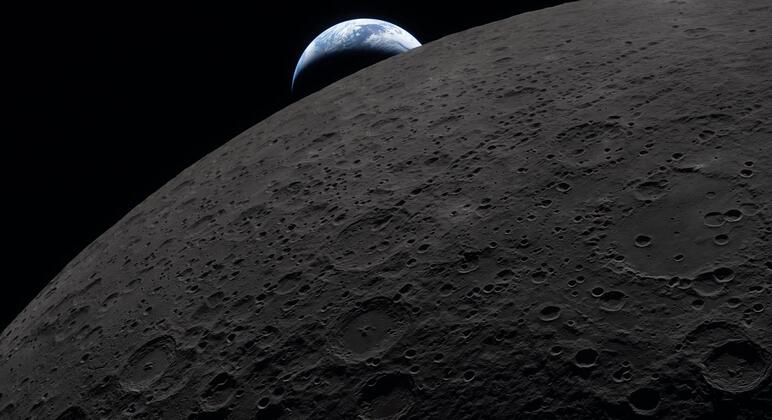

Moon Day: Addressing Growing Concerns Around Space Junk and Sustainability
Introduction to Moon Day
Moon Day, celebrated on July 20th, commemorates the Apollo 11 moon landing in 1969. While we honor human exploration of space, this day also prompts critical discussions about the sustainability of our endeavors beyond Earth. One of the growing concerns is space debris—often referred to as space junk. As humanity pushes the envelope of space exploration, it’s essential to recognize the importance of sustainable practices to ensure that we can continue our adventures into the cosmos without jeopardizing Earth’s orbit or future missions.
Understanding Space Junk
What is Space Junk?
Space junk encompasses defunct satellites, rocket stages, and various fragments resulting from collisions and disintegration in Earth’s orbit. According to the European Space Agency (ESA), there are over 36,000 pieces of debris the size of a basketball or larger, with millions of smaller pieces yet to be accounted for. This increasing quantity of space junk poses risks to operational satellites, the International Space Station (ISS), and any future space missions.
The Dangers of Space Debris
Space debris threatens the safety of astronauts and spacecraft, potentially leading to catastrophic collisions. The higher the density of objects in orbit, the more dangerous any additional satellite or piece of junk becomes. A collision could create thousands of new fragments, further exacerbating the issue. For instance, the 2009 collision between a defunct Russian satellite and an operational Iridium satellite created an estimated 1,500 pieces of debris, a stark indicator of the risks we face.
The Necessity of Sustainable Space Practices
Why Sustainability Matters
Sustainability in space exploration is crucial for several reasons:
-
Long-term Viability: To ensure the longevity of our investments in satellites and exploratory missions, we must prioritize strategies that mitigate the accumulation of debris.
-
Cost Efficiency: Managing space debris can reduce costs associated with satellite replacements and enhance operational efficiency.
-
International Cooperation: As space becomes increasingly crowded, countries need to work together to establish guidelines and practices that promote safe exploration.
Developing a Sustainable Framework
Several steps can be taken to create a sustainable framework for space exploration:
-
Debris Mitigation Guidelines: Establishing international guidelines that dictate end-of-life plans for satellites can dramatically decrease space junk. These plans may include techniques such as deorbiting or moving defunct satellites to a “graveyard orbit.”
-
Active Debris Removal: Technologies are being developed to capture and remove space debris. For instance, methods like using nets or harpoons to grasp larger objects and deorbit them can help mitigate the issue.
-
Recyclable Satellites: Designing satellites with recyclable materials can minimize the impact of their end-of-life phase. This concept moves toward a circular economy in space.
-
Improved Tracking Systems: Enhancing tracking systems to monitor space debris can facilitate better decision-making regarding satellite launches and operational adjustments.
Global Initiatives and Collaborations
The Role of International Organizations
Organizations like the United Nations Office for Outer Space Affairs (UNOOSA) are vital in promoting sustainable practices in space. Their efforts involve formulating guidelines and fostering international cooperation, guiding countries towards effective space debris management and sustainable exploration.
Public-Private Partnerships
Collaboration between government agencies and private companies is crucial to develop innovative solutions for space sustainability. For example, companies like Astroscale are working on active debris removal missions, while NASA and ESA are exploring partnerships that leverage technological advancements to address space junk.
Innovations in Space Safety
Space Traffic Management
Just as air traffic management is essential for planes, managing traffic in outer space is becoming increasingly critical. Developing a system that monitors satellite positions and predicts potential collisions can greatly enhance safety in space.
Advanced Satellites
The next generation of satellites is being designed with sustainability in mind. Features like autonomous collision avoidance systems can enhance operational safety.
The Role of Space Advocacy
Raising Awareness
Awareness is a vital aspect of tackling space junk. Advocacy groups and organizations focused on sustainable space practices can educate the public and policymakers on the implications of space debris and the necessity for immediate action.
Engaging the Next Generation
Involving students and young professionals in space research can cultivate a future generation that prioritizes sustainability in their endeavors. Educational initiatives that include hands-on projects and discussions about the sustainability of space exploration can inspire responsible practices.
Conclusion: Towards a Sustainable Future in Space
As we come together to celebrate Moon Day, it’s an opportune time to reflect on our collective responsibility towards the cosmos. The growing concerns surrounding space junk and sustainability call for immediate attention and action. By developing comprehensive strategies that prioritize sustainability, international collaboration, and technological innovations, we can pave the way towards a future where space exploration is both exciting and responsible.
Globally, we must realize that our actions beyond Earth impact our planet’s future. The stakes are high; it’s crucial to ensure that our explorations remain sustainable for future generations. As we advance, let Moon Day be a reminder that every step we take into the universe should be mindful, responsible, and sustainable. The stars await us, but it’s our duty to keep them safe, for our journey has only just begun.
For more details and the full reference, visit the source link below:
Read the complete article here: https://news.un.org/feed/view/en/story/2026/07/1167976