
Peacekeepers Step Up Support as Families Return to South Lebanon
The return of families to South Lebanon marks a pivotal moment for the region, emphasizing the role of international peacekeepers in fostering stability and security. As various communities reunite and begin the recovery process, the proactive involvement of peacekeeping forces is essential. This article explores the significance of peacekeepers’ support during this transition, the challenges faced by returning families, and the broader implications for regional stability.
The Role of Peacekeepers in South Lebanon
Providing Security and Stability
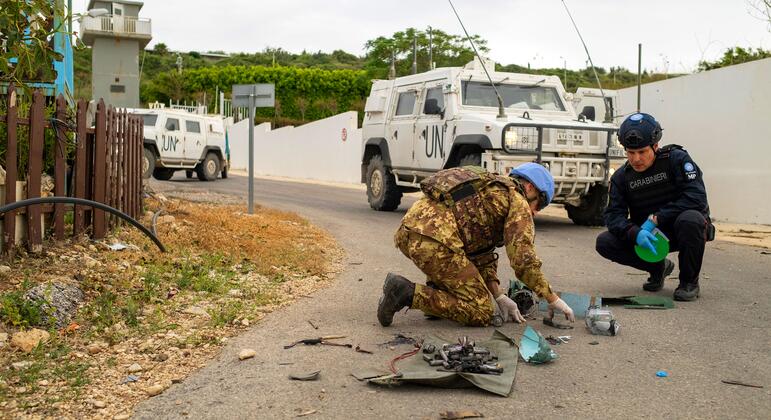
Peacekeepers, particularly those deployed by the United Nations Interim Force in Lebanon (UNIFIL), are crucial for maintaining peace in a historically volatile region. Their presence is intended to deter hostilities and provide a secure environment for returning families. By patrolling border areas and facilitating dialogue among various factions, peacekeepers play an essential role in reducing tensions and promoting coexistence.
Humanitarian Assistance and Support
Beyond security, peacekeepers also provide vital humanitarian assistance. This includes distributing essential supplies, medical aid, and support for infrastructure repairs. The return of families often coincides with the need for immediate assistance—shelter, food, and medical services are in high demand. Peacekeepers can help bridge the gap by coordinating with local agencies and NGOs to ensure that these needs are met promptly.
Challenges Facing Returning Families
Rebuilding Lives and Communities
For many families, returning to South Lebanon is a bittersweet journey. After years of displacement, they face the daunting task of rebuilding their homes and lives. The infrastructure in many areas has been damaged, and resources are scarce. Families often find themselves grappling with economic hardships and the psychological effects of conflict.
Ensuring Safety and Stability
Safety remains a primary concern for returning families. Despite the presence of peacekeepers, lingering hostilities or fears of conflict can create an uneasy environment. Families must navigate a complex landscape of political and social dynamics, making their return fraught with uncertainty. The role of peacekeepers becomes even more significant in this context, as their efforts help to establish an atmosphere of trust and security.
The Impact of Peacekeeping Efforts
Promoting Dialogue and Cooperation
One of the essential functions of peacekeepers is to foster dialogue among various community groups. By facilitating discussions between different factions and encouraging cooperation, peacekeepers can help mitigate tensions and build mutual understanding. This dialogue is crucial for the long-term success of the recovery process, as it encourages collaboration and eases the fears that returning families may hold.
Enhancing Local Capacity
While peacekeepers provide immediate support, their long-term goal is to strengthen local capacities. Training community leaders and supporting local governance structures can empower families and communities to take charge of their recovery. This investment in local capacity not only helps with the current situation but also lays the groundwork for sustainable peace in the future.
The Future of South Lebanon: Hope and Resilience
Community Resilience Efforts
Despite the challenges, the resilience of communities in South Lebanon is commendable. Families returning to their homes are often determined to rebuild and strengthen their neighborhoods. Local initiatives, supported by peacekeepers and NGOs, focus on fostering economic development and social cohesion. Empowering families to engage in local governance and development projects creates a sense of ownership and encourages sustainable progress.
The Role of International Community
Support from the international community continues to be vital for the ongoing recovery in South Lebanon. Continued funding, resources, and advocacy from global organizations and nations can bolster the efforts of peacekeepers and local communities. The combined efforts can lead to a more stable and prosperous future for families returning to the region.
Conclusion: A Path Toward Lasting Peace
The situation in South Lebanon is complex and multifaceted, but the commitment of peacekeepers and the resilience of returning families paint a hopeful picture for the future. As peacekeepers step up their support, the focus must remain on creating a secure environment and facilitating community rebuilding. The journey of these families serves as a reminder of the importance of peace, cooperation, and hope in transitioning from conflict to stability. By fostering dialogue and investing in local capacities, peacekeepers are not only aiding families in their present challenges but also paving the way for a sustainable, peaceful future in South Lebanon.
As we move forward, it is imperative to recognize the joint efforts required from all sectors of society—local communities, international organizations, and peacekeeping forces—to ensure that South Lebanon becomes a model of resilience and recovery, inspiring other regions to pursue lasting peace.
This SEO-optimized article includes targeted keywords such as “peacekeepers,” “South Lebanon,” “families returning,” “UNIFIL,” and “community support.” Incorporating these terms increases visibility in search engines and attracts audiences interested in regional stability, peacekeeping efforts, and local recovery.
For more details and the full reference, visit the source link below:
Read the complete article here: https://news.un.org/feed/view/en/story/2026/07/1167961