
Gaza Farmers Battle to Rebuild: A Tale of Resilience Amidst Adversity
Introduction
The intricate struggles of Gaza farmers paint a poignant picture of resilience amid adversity. As they face economic challenges, limited resources, and the aftermath of conflict, these agricultural heroes are determined to rebuild their lives and communities. Simultaneously, the World Food Programme (WFP) has sounded alarms over escalating violence faced by those in the West Bank due to settler activities. This article dives into the challenges Gaza farmers face while underlining the broader implications of violence in the West Bank.
The Agricultural Landscape in Gaza
Historical Context
Gaza has historically been known for its fertile lands and rich agricultural traditions. However, decades of conflict and political instability have severely impacted the region’s agricultural output. Farmers and their families have had to navigate a landscape fraught with hardships, including restricted access to essential resources like water and fertilizers.
Current Challenges Faced by Gaza Farmers
-
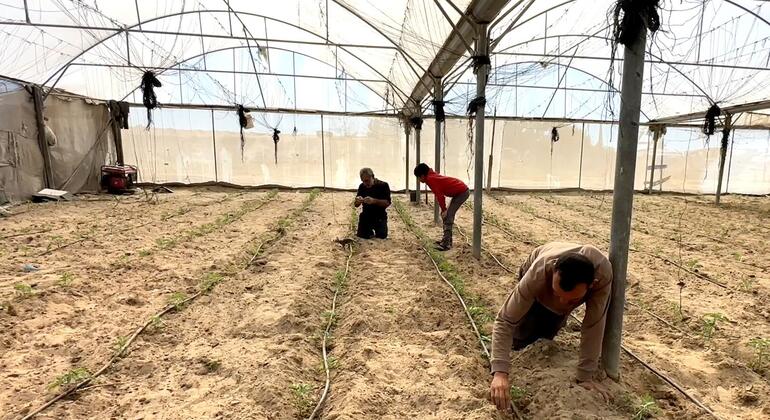
Infrastructure Damage: Frequent conflicts have led to the destruction of irrigation systems, greenhouses, and farming equipment. Many farmers struggle to access the tools needed to cultivate their lands effectively.
-
Limited Access to Markets: The ongoing blockade has restricted farmers’ ability to sell their produce. Access to external markets is crucial for economic sustainability, but bureaucratic barriers impede this process.
-
Resource Scarcity: Water scarcity is a pressing issue. Many farmers face difficulties in sourcing the water necessary for their fields, often resulting in decreased crop yields.
Resilience in Farming Practices
Despite the myriad challenges, Gaza farmers are often hailed for their resilience. Innovative farming techniques, such as hydroponics and vertical gardening, are being adopted to maximize limited space and resources. Community cooperatives are also playing a role in pooling resources and sharing knowledge, allowing farmers to cultivate sustainably.
Support from Organizations
World Food Programme (WFP)
The WFP plays a pivotal role in supporting Gaza’s agricultural sector. Their initiatives focus on providing food assistance, promoting sustainable farming practices, and facilitating access to markets. The WFP’s Emergency Food Assistance Program has been crucial for many families struggling to meet their basic needs.
Local and International NGOs
Numerous NGOs operate within the region, offering training, resources, and funding to farmers. These organizations aim to bolster food security and provide the tools necessary for rebuilding. By fostering partnerships between local farmers and international stakeholders, they seek to create a thriving agricultural community.
The Broader Conflict: Settler Violence in the West Bank
WFP’s Concerns
While Gaza farmers strive to rebuild, the WFP has raised concerns about increasing levels of violence in the West Bank, particularly relating to settler activities. Reports of harassment and property destruction have become more frequent, putting further strain on Palestinian farmers in these areas.
Impact on West Bank Farmers
-
Physical Threats: Many West Bank farmers face direct threats to their safety and property from settler groups. This intimidation can prevent them from harvesting their crops or accessing their lands.
-
Economic Consequences: The instability further complicates the challenges already faced by Palestinian farmers, resulting in decreased productivity and heightened financial insecurity.
-
Social Tensions: Ongoing violence contributes to strained community relations and deepens the socio-economic divide, impeding efforts toward peace and stability in the region.
The Interconnectedness of Gaza and West Bank
The crises faced by farmers in Gaza and those in the West Bank are inherently interconnected. Both regions confront similar socio-economic challenges and the repercussions of ongoing conflicts. Collaborative efforts, understanding, and support across both areas can lead to a more sustainable agricultural future.
Pathways to Recovery and Resilience
Government and Policy Support
To facilitate recovery, governing bodies must prioritize agricultural policies that promote sustainable farming practices. Investment in infrastructure, water management, and fair market access will be pivotal in rebuilding resilience among farmers in both Gaza and the West Bank.
Community Initiatives
Community-based initiatives can significantly contribute to recovery efforts. By fostering solidarity and cooperation among farmers, community groups can enhance resource sharing and minimize economic disparities.
Sustainable Practices
Integrating sustainable farming practices can not only improve yield but also ensure the long-term viability of agriculture in the region. Practices such as crop rotation, organic farming, and integrated pest management can be beneficial for farmers trying to rebuild.
Conclusion
Gaza farmers are a testament to the spirit of resilience and determination amidst relentless challenges. Their journey toward rebuilding not only their lives but also their communities serves as an important reminder of the strength inherent in agriculture. Meanwhile, the concern over rising violence in the West Bank highlights the need for support and intervention. The WFP and various organizations are crucial in addressing these overlapping crises and working towards a stable and prosperous future for all farmers in the region. By fostering local and international partnerships and investing in sustainable agricultural practices, there remains hope for a brighter tomorrow.
This ongoing struggle symbolizes not just an agricultural fight, but also a broader quest for dignity, safety, and a sustainable livelihood amidst adversity. The resilience of Gaza farmers inspires hope and speaks volumes about their commitment to nourishing their families and communities against all odds.
For more details and the full reference, visit the source link below:
Read the complete article here: https://news.un.org/feed/view/en/story/2026/07/1167960