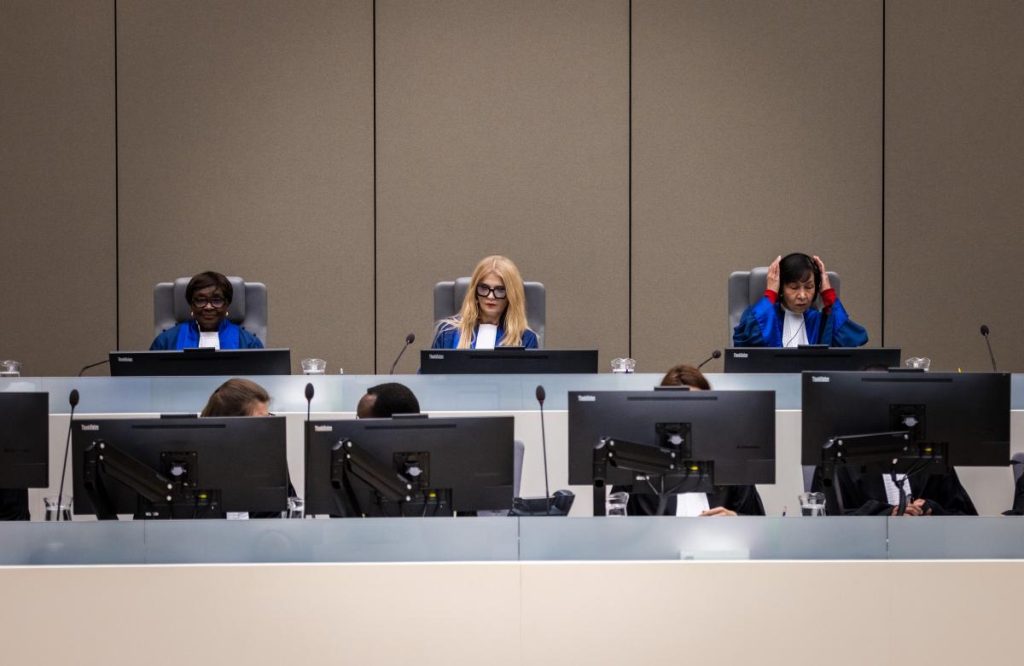

ICC Pre-Trial Chamber I Confirms All Charges Against Khaled Mohamed Ali El Hishri and Commits Him to Trial
Introduction
The International Criminal Court (ICC) plays a crucial role in the prosecution of individuals for serious international crimes, including war crimes, genocide, and crimes against humanity. Recently, the ICC Pre-Trial Chamber I confirmed all charges against Khaled Mohamed Ali El Hishri, a significant development in the realm of international justice. This article explores the details surrounding this case, its implications, and the broader context of the ICC’s mission.
Background on the ICC
The ICC, established by the Rome Statute in 2002, was created to ensure that individuals responsible for heinous crimes do not escape justice. It serves a dual function: it acts as a court of last resort for nations unable or unwilling to prosecute serious crimes domestically, and it aims to deter future perpetrators by holding them accountable on an international stage.
Who is Khaled Mohamed Ali El Hishri?
Khaled Mohamed Ali El Hishri is an individual accused of committing serious crimes that fall under the jurisdiction of the ICC. The specific charges against El Hishri encompass a range of serious offenses, including but not limited to war crimes and crimes against humanity. The confirmation of these charges by the Pre-Trial Chamber marks a pivotal step towards addressing the crimes he is accused of and seeks to bring justice to the victims affected by his actions.
Confirmation of Charges
The Pre-Trial Chamber’s Decision
The ICC Pre-Trial Chamber I conducted a thorough review of the evidence presented by the prosecution before confirming all charges against El Hishri. This stage of the judicial process is vital as it ensures that the legal criteria for pursuing a full trial are met.
Nature of the Charges
The confirmed charges against El Hishri highlight the gravity of the alleged offenses. They include:
-
Crimes Against Humanity: This can include widespread or systematic attacks directed against any civilian population, encompassing acts such as murder, extermination, enslavement, and sexual violence.
-
War Crimes: These charges may arise from violations of the laws and customs of war, including the unlawful killing of combatants or civilians and the taking of hostages.
Implications of the Confirmation
The confirmation of charges signifies a formal recognition of the gravity of the accusations against El Hishri and paves the way for a trial. This step is not only essential for the delivery of justice to the victims but also serves to uphold international laws designed to protect human rights during conflicts.
The Trial Process
Pre-Trial Phase
Following the confirmation of charges, the case enters the trial phase, where both the prosecution and defense will present their cases. The trial process includes:
-
Presentation of Evidence: Both parties will present evidence supporting their claims or defenses, including witness testimonies and documentary evidence.
-
Cross-Examinations: Lawyers will have the opportunity to question witnesses, which is crucial for establishing credibility and exposing any inconsistencies.
-
Judgment: Once the evidence has been presented, the judges will deliberate and issue a judgment regarding El Hishri’s guilt or innocence.
Length of the Trial
The duration of a trial at the ICC can vary significantly based on the complexity of the case, the number of witnesses, and the volume of evidence presented; however, the courtroom aims for transparency and fairness throughout the process.
Implications for International Justice
Deterrent Effect
This confirmation of charges against El Hishri sends a strong message that individuals committing serious crimes will not escape accountability. The ICC aims to deter potential criminals by demonstrating that the international community is committed to upholding justice.
Support for Victims
The case also highlights the importance of justice for victims of international crimes. Through mechanisms like compensation and restorative justice, the ICC offers avenues for victims to seek recognition and reparations for their suffering.
Strengthening International Law
This development reinforces the principles underlying international humanitarian law and human rights law. The ICC’s commitment to prosecuting individuals for crimes against humanity helps to promote adherence to these laws on a global scale.
Regional Context
The crimes allegedly committed by El Hishri may resonate deeply within the region where they occurred. The confirmation of charges against him is essential not only for international justice but also for the local communities affected by his actions. The pursuit of justice can play a significant role in societal healing and rebuilding trust.
Future Prospects
Continued Monitoring
The ICC will continue to monitor the proceedings closely as the trial commences. Ensuring a fair and just trial will be paramount, given the international scrutiny that cases of this nature attract.
Broader Implications for Other Cases
The handling of El Hishri’s case may influence future prosecutions by setting precedents for how similar charges are approached, evidentiary standards upheld, and victims engaged in the process.
Conclusion
The confirmation of all charges against Khaled Mohamed Ali El Hishri by the ICC Pre-Trial Chamber I marks a critical juncture in the pursuit of international justice. As the trial progresses, it will be pivotal in addressing serious allegations of war crimes and crimes against humanity, thereby reinforcing the global stand against impunity. This case serves as a reminder of the ICC’s vital role in enforcing international laws and protecting human rights across the globe.
Call to Action
Stay informed about ongoing cases at the ICC and support initiatives aimed at promoting justice for victims of international crimes. Engaging in discussions around such topics can contribute significantly to raising awareness and fostering a culture of accountability.
For more details and the full reference, visit the source link below:
Read the complete article here: https://www.icc-cpi.int/node/238684