
This is a Fire: DRC Ebola Outbreak is Fastest-Growing Ever, Warns WHO
The Democratic Republic of the Congo (DRC) is facing a catastrophic and alarming situation as the World Health Organization (WHO) announces that the current Ebola outbreak is the fastest-growing ever recorded. This unprecedented event demands urgent attention and action, highlighting both public health challenges and the need for efficient responses to contain the virus.
Understanding the Ebola Virus
Ebola virus disease (EVD) is a severe, often fatal illness caused by the Ebola virus, discovered in 1976 in the DRC near the Ebola River. The disease is transmitted through direct contact with bodily fluids of infected individuals, as well as through contaminated surfaces and materials. Symptoms typically include fever, vomiting, diarrhea, and in severe cases, bleeding. EVD can have a mortality rate ranging from 25% to 90%, depending on the outbreak and the specific Ebola virus strain involved.
The Current Outbreak’s Scope and Speed
Recent reports indicate that the outbreak in the DRC has reached alarming rates—characterized by a rapid increase in confirmed cases and deaths. According to the WHO, this outbreak outpaces previous ones not only in speed but in complexity, given the region’s socio-political conditions. An ongoing conflict and inadequate healthcare infrastructure are further complicating containment efforts.
Key Statistics
- As of the latest reports, the number of confirmed Ebola cases has surged to unprecedented levels.
- The death toll is alarmingly high, with hundreds of lives tragically lost.
- The outbreak has spread across multiple provinces, amplifying its potential impact.
Factors Contributing to the Outbreak’s Acceleration
Several factors contribute to the current outbreak’s rapid growth:
-
Conflict and Instability: Ongoing conflicts in the DRC have led to significant disruptions in healthcare services, impeding timely responses to health emergencies.
-
Cultural Practices: In many DRC communities, traditional burial practices involve close contact with the deceased, leading to heightened transmission risks.
-
Vaccine Accessibility: Although there are effective vaccines available, access to these lifesaving resources remains limited in remote areas.
-
Public Awareness: Misinformation and lack of knowledge about Ebola can lead to stigma and reluctance towards seeking medical help.
WHO Response and Global Assurance
The WHO is actively working with the DRC government and other international health bodies to implement effective containment strategies. These strategies include:
-
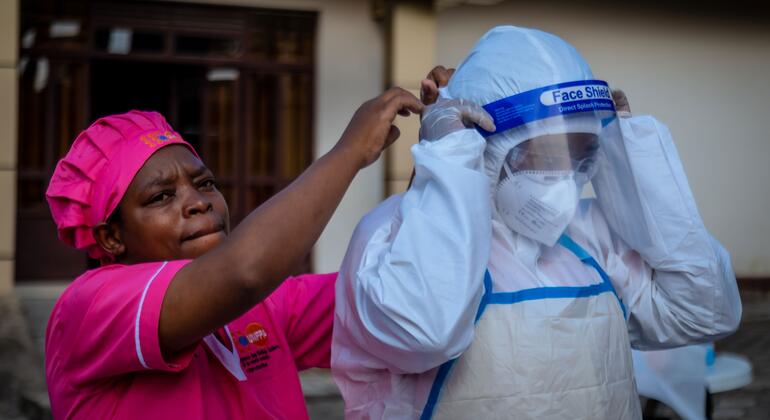
Vaccination Campaigns: The WHO is deploying as many vaccines as possible to high-risk areas, prioritizing healthcare workers and individuals in direct contact with infected persons.
-
Community Engagement: Mobilizing local communities to raise awareness and promote safe practices is crucial to curbing transmission.
-
Strengthening Healthcare Infrastructure: The emphasis on repairing and enhancing healthcare facilities in affected regions is a priority, enabling them to respond more effectively to the outbreak.
Addressing Public Health Risks
The rapid growth of the Ebola outbreak poses significant public health risks not only in the DRC but also in neighboring countries. Since the virus can spread quickly, neighboring nations must remain vigilant and prepared to manage potential cross-border cases.
Regional Preparedness Efforts
Countries sharing borders with the DRC are increasing their surveillance and response strategies. They are employing measures such as:
- Enhanced monitoring of travelers.
- Improved healthcare worker training.
- National preparedness plans that align with WHO guidelines.
The Importance of International Cooperation
In light of this growing outbreak, international cooperation is more critical than ever. Global partnerships can facilitate the sharing of resources, information, and expertise. Funding from various organizations can help bolster vaccination campaigns and improve healthcare infrastructure.
Funding and Resource Allocation
Increased financial contributions from governments, NGOs, and private entities are essential for:
- Developing and distributing vaccines.
- Supporting healthcare workers on the ground.
- Enhancing public health messaging to combat misinformation.
The Role of the Public
While healthcare systems and governments are critical in fighting the outbreak, individual action plays a pivotal role, too. Community members can contribute by:
- Staying informed about the virus and its transmission.
- Following public health guidelines, including hygiene practices and social distancing.
- Volunteering in community health programs.
The Future of Ebola in the DRC
As the current outbreak continues to evolve, it raises questions about long-term strategies for managing Ebola in the region. The WHO emphasizes the need for sustained public health measures, continuous surveillance, and investment in healthcare systems to prevent future outbreaks.
Building Resilient Healthcare Systems
Investing in healthcare infrastructure is a long-term solution that not only helps combat Ebola but also enhances the DRC’s ability to manage other health crises. Key areas for investment include:
- Training healthcare personnel.
- Expanding medical facilities.
- Implementing technology for disease surveillance.
Conclusion: The Urgency of Action
The current Ebola outbreak in the DRC is a fire that demands immediate and comprehensive action. As the virus spreads, it poses grave threats to public health. The global community must unite in its response, ensuring that resources and support reach the affected regions as quickly as possible.
By prioritizing international collaboration, empowering local communities, and strategically investing in healthcare systems, we can turn the tide on this relentless outbreak. Addressing this public health crisis may seem daunting, but with concerted efforts and a commitment to improving health outcomes, it is possible to contain and ultimately eradicate Ebola from the region.
In facing this unprecedented challenge, the time for action is now. The clock is ticking, and every moment counts in this battle against the accelerating threat of Ebola in the DRC.
For more details and the full reference, visit the source link below:
Read the complete article here: https://news.un.org/feed/view/en/story/2026/07/1167933