
Slovenia’s Continued Support for the Trust Fund for Victims (TFV) in 2026
Introduction
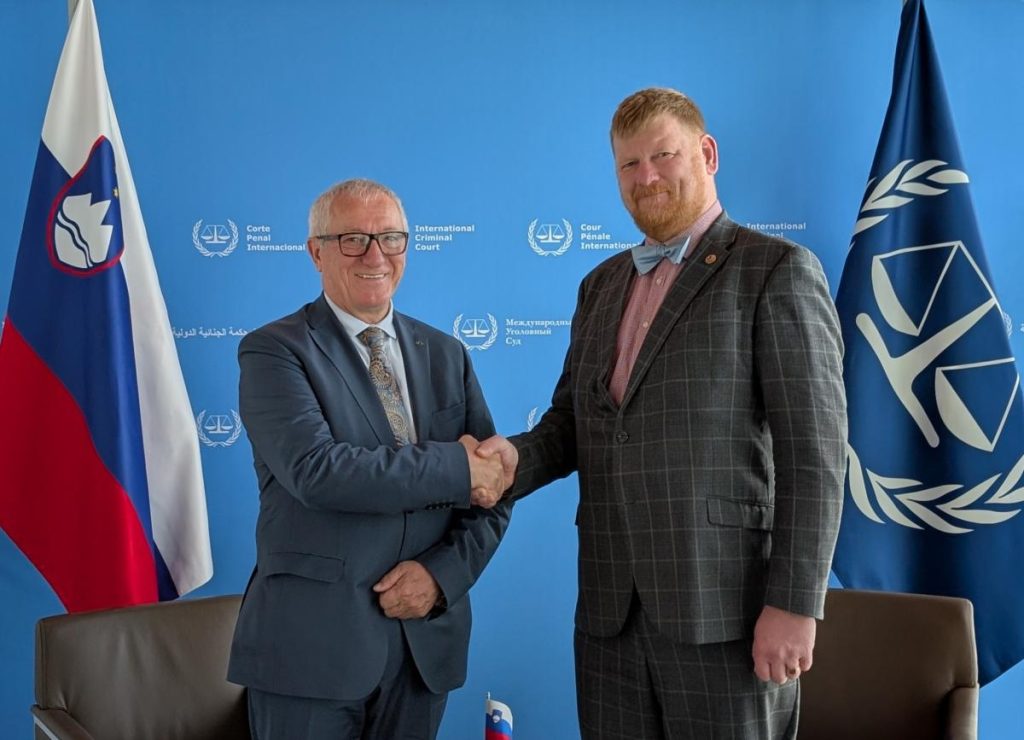
Slovenia has earned recognition as a dependable partner in promoting international justice through its consistent contributions to the Trust Fund for Victims (TFV). By committing to a voluntary contribution for 2026, Slovenia underscores its dedication to supporting the rehabilitation and assistance of victims of crimes under the jurisdiction of the International Criminal Court (ICC). This article explores Slovenia’s contribution, its implications for the TFV, and the broader impact of such generosity on the global justice system.
Understanding the Trust Fund for Victims (TFV)
The TFV was established under the Rome Statute, which governs the operations of the ICC. Its primary mission is to provide assistance and reparations to victims of war crimes, crimes against humanity, and genocide. The TFV supports projects that help victims rebuild their lives through psychosocial support, medical care, and educational opportunities. This fund is essential in ensuring that those who suffer from atrocities receive not only justice on paper but also tangible aid.
Slovenia’s Commitment to Humanitarian Support
Slovenia’s voluntary contribution for 2026 reflects its strong commitment to humanitarian support and international justice. As a member of various international organizations, including the European Union and the United Nations, Slovenia recognizes the importance of contributing to global justice initiatives. The country’s proactive stance illustrates its belief that every nation has a role in addressing the consequences of mass atrocities and restoring the dignity of victims.
Historical Context of Slovenia’s Contributions
Slovenia has a rich history of engagement with international justice issues. Since gaining independence in the early 1990s, the nation has positioned itself as a proponent of human rights and sustainable peace. Slovenia’s contributions to the TFV have been consistent over the years, reflecting a long-standing commitment to alleviating the plight of victims worldwide.
Implications of Slovenia’s 2026 Contribution to TFV
Strengthening the TFV’s Mission
By pledging its voluntary contribution for 2026, Slovenia plays a critical role in strengthening the TFV’s mission. Financial support allows the fund to expand its activities and reach more victims in need of assistance. This contribution also reinforces the ICC’s effectiveness by ensuring that victims receive the reparations they rightfully deserve.
Enhancing International Cooperation
Slovenia’s commitment sets an inspiring example for other nations, encouraging them to consider their role in supporting international justice. Increased participation can broaden the TFV’s financial base, resulting in more comprehensive support for victims. Slovenia’s pledge could inspire collaborative initiatives, furthering international cooperation in addressing global humanitarian challenges.
The Broader Impact of Supporting Victims of Atrocities
Aid for Victims
One of the most significant benefits of Slovenia’s contribution is the direct aid provided to victims. The TFV utilizes these resources to implement projects tailored to the specific needs of affected communities. For instance, funds may be allocated to mental health services, education, and vocational training, enabling victims to regain their independence and improve their quality of life.
Promoting the Rule of Law
By supporting the TFV, Slovenia also contributes to the promotion of the rule of law. Victims who receive assistance often feel more empowered to engage with the justice process, thereby strengthening confidence in legal systems. This empowerment creates a ripple effect, encouraging more people to speak out against atrocities and seek justice.
Slovenia’s Role in International Advocacy
Advocating for Victims’ Rights
As a contributing country to the TFV, Slovenia has the opportunity to advocate for victims’ rights on the global stage. The nation can influence discussions surrounding international justice, emphasizing the importance of supporting victims as a crucial component of any accountability process.
Fostering Dialogue on International Justice
Slovenia’s financial contributions can also facilitate international dialogue on improving frameworks for victim assistance. Such discussions can lead to innovative strategies for providing reparations and support, benefiting both the TFV and other entities involved in similar efforts.
The Future of Slovenia’s Contributions to the TFV
Continuing the Legacy of Support
As Slovenia looks ahead to its commitment for 2026, it must remain focused on its legacy of support for international justice. Building on past contributions can amplify their impact and cement Slovenia’s position as a leader in humanitarian support. Finding new ways to engage with the TFV and enhancing its presence in international discussions are essential for sustaining momentum.
Engaging Civil Society and Local Communities
To maximize the impact of its contribution, Slovenia can engage civil society organizations and local communities. By collaborating with entities already operating in affected regions, Slovenia can ensure that its support is tailored to the specific needs of victims, making the assistance more effective and meaningful.
Conclusion
Slovenia’s voluntary contribution to the Trust Fund for Victims for 2026 exemplifies the nation’s ongoing commitment to promoting international justice and supporting victims of crimes against humanity. This contribution not only enhances the capabilities of the TFV but also reinforces Slovenia’s role as a responsible global citizen. By continuing to advocate for victims’ rights and engaging in international discourse, Slovenia paves the way for a more just and equitable world. As we look to the future, Slovenia’s commitment should inspire other countries to follow suit, ultimately creating a global network of support for those who have suffered unimaginable atrocities. Through such collective efforts, we can work toward healing and restoring dignity to victims around the world.
For more details and the full reference, visit the source link below:
Read the complete article here: https://www.icc-cpi.int/node/238512