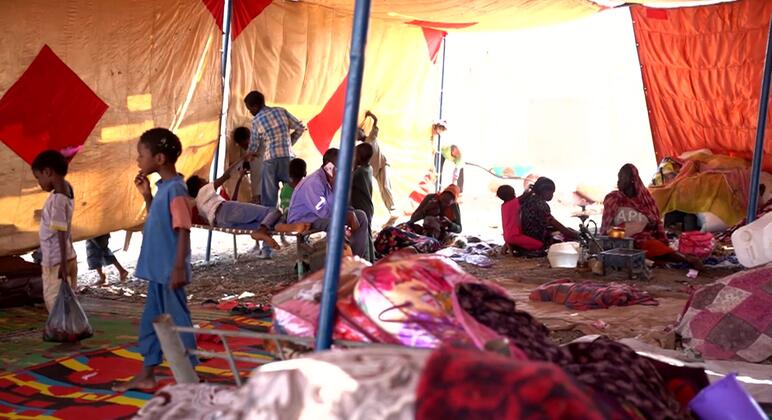

Civilians and Aid Operations Under Fire as Sudan Airstrikes Intensify
Introduction: The Current Conflict in Sudan
As the humanitarian crisis deepens in Sudan, escalating airstrikes pose a significant threat to both civilians and relief operations. The situation has become dire, with over 24 million people requiring assistance. The ongoing violence not only disrupts daily life but also critically undermines the operations of aid agencies striving to deliver essential services.
The Impact of Airstrikes on Civilians
Rising Casualties and Displacement
The intensification of aerial bombardments has resulted in substantial civilian casualties. Families are caught in crossfire, forced to flee their homes in search of safety. According to the United Nations, the number of internally displaced persons (IDPs) continues to rise, creating a humanitarian catastrophe that requires immediate attention.
Psychological Toll on Civilians
Beyond physical injuries, the psychological impact of living under constant threat is profound. Civilians experience trauma, anxiety, and depression, complicating their overall well-being. The chronic uncertainty of survival weighs heavily on communities, leaving many feeling hopeless.
Aid Operations at Risk
Strategic Challenges Facing Humanitarian Organizations
Aid organizations are the backbone of relief efforts in any conflict zone. However, with airstrikes intensifying, operational capacities are severely compromised. Humanitarian workers often find themselves in danger when trying to deliver food, medical supplies, and other essential services.
Accessibility Issues
The bombardment has restricted access to affected areas. Roads are often blocked or deemed unsafe, making it difficult for aid agencies to reach those in urgent need. This issue not only hampers immediate relief efforts but also increases logistics costs, stretching already limited resources.
The Role of International Response
Diplomatic Efforts and Humanitarian Law
International communities must play a pivotal role in addressing the crisis in Sudan. Diplomatic efforts are essential, urging warring factions to respect humanitarian law and protect civilians. The protection of aid workers must be emphasized, ensuring safe passage for those delivering assistance.
Funding Shortages for Humanitarian Aid
As the scale of the crisis expands, funding shortfalls remain a significant barrier to providing adequate relief. Governments and international organizations must allocate more resources to support humanitarian operations. Increased funding is crucial to ensure that aid organizations can continue their vital work under increasingly dangerous conditions.
Community Resilience Amidst Crisis
Local Initiatives and Solidarity
Despite the overwhelming challenges, communities exhibit incredible resilience. Local organizations often step up to fill gaps left by larger humanitarian agencies. By mobilizing resources and promoting solidarity, communities can provide support to each other, showcasing the power of grassroots initiatives.
The Importance of Awareness
Raising awareness about the plight of Sudanese civilians is crucial. By engaging the global community through social media, petitions, and advocacy campaigns, more people can be informed and urged to take action. Grassroots movements can amplify the voices of those suffering and push for international response.
Conclusion: A Call to Action
As the airstrikes intensify in Sudan, the plight of civilians and the challenges faced by aid operations become increasingly urgent. It is imperative for the international community to act decisively in support of humanitarian efforts and advocate for the protection of civilians. Only through concerted efforts can we hope to alleviate the suffering endured by millions and restore peace to this war-torn nation.
This optimized content highlights the dire situation in Sudan, focusing on the impact on civilians and humanitarian operations, while also incorporating keywords to increase search engine visibility.
For more details and the full reference, visit the source link below:
Read the complete article here: https://news.un.org/feed/view/en/story/2026/02/1166945

