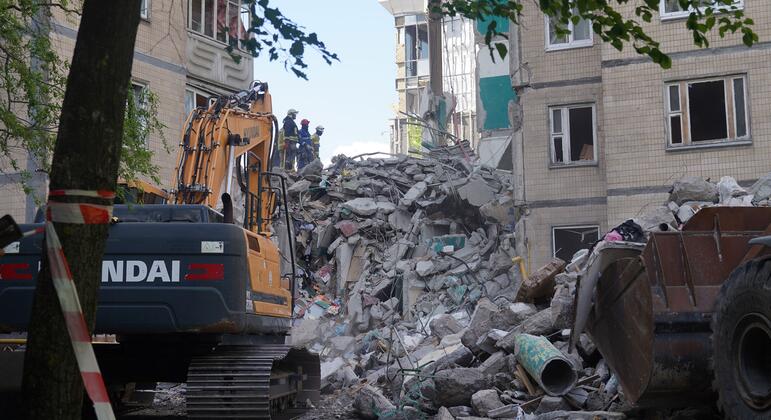

Civilian Dangers Multiply as Drones Transform Ukraine’s Battlefield
Introduction
The conflict in Ukraine has reached unprecedented levels, transforming the battlefield into a scene marked by both advanced technology and humanitarian crises. Among the most significant technological advancements are drones, which have become a prominent feature in modern warfare. While drones serve several military purposes, their presence also escalates risks for civilians. This article explores the multifaceted dangers faced by civilians in Ukraine due to the extensive use of drones in the ongoing conflict.
The Rise of Drones in Modern Warfare
A Brief Overview
Drones, or unmanned aerial vehicles (UAVs), have revolutionized warfare by providing capabilities for surveillance, reconnaissance, and targeted strikes without the need for human pilots. In Ukraine, both the Ukrainian and Russian forces have deployed drones with increasing frequency, further intensifying the conflict.
Impacts on Military Strategy
The use of drones has altered traditional military strategies, enabling forces to gather real-time intelligence and conduct precision strikes. However, the rapid improvement in drone technology has also blurred the lines between combat zones and civilian areas, leading to heightened risks for non-combatants.
Civilian Vulnerability: A Growing Concern
Proximity to Combat Zones
One of the most pressing issues is that many civilians live in close proximity to active combat zones. The drone strikes that target military objectives can easily extend to residential areas, resulting in collateral damage. This proximity contributes to an increased sense of terror among civilians, as they live under the constant threat of sudden attacks.
Psychological Impact
The presence of drones in the sky also generates psychological trauma. Civilians reported feelings of anxiety and helplessness, given the unpredictability of drone strikes. This psychological burden compounds issues related to displacement, loss of homes, and the disruption of daily life. Children are particularly vulnerable, as the stress of living in a war zone can lead to long-lasting mental health issues.
The Drones’ Dual Role: Surveillance vs. Attack
Gathering Intelligence
Drones serve a dual purpose: they are invaluable for surveillance but can also be weaponized for attacks. While surveillance helps in understanding troop movements and gathering intelligence, the line between reconnaissance and aggression is perilously thin. Civilian areas are increasingly becoming surveillance zones, monitored for perceived threats.
Privacy Invasion
The penetration of drones into civilian airspace raises significant concerns about privacy. Citizens may find themselves constantly observed, leading to a loss of freedoms and increased anxiety about being targeted—wrongly or rightly—by military forces.
The Human Cost: Civilian Casualties
Statistics and Reporting
Reports document a troubling rise in civilian casualties attributed to drone strikes in Ukraine. According to various humanitarian organizations, hundreds of civilians, including women and children, have been affected. The lack of accurate targeting and intelligence contributes to misplaced strikes that have devastating effects on non-combatants.
The Legal Framework
International humanitarian law emphasizes the principles of distinction and proportionality, which dictate that combatants must differentiate between military targets and civilians. However, the rapid and autonomous nature of drone strikes often undermines these legal frameworks. This leads to ethical dilemmas about accountability and justice for affected civilian populations.
Displacement and Humanitarian Crisis
Increasing Displacement Rates
As drone warfare escalates, so does the displacement of civilians. Many people are forced to flee their homes due to fear of drone strikes or loss of livelihood. The impact on local populations strains already limited resources, exacerbating humanitarian crises in regions that were once stable.
Humanitarian Aid Challenges
The influx of displaced persons poses significant challenges for humanitarian organizations. Providing food, shelter, and medical assistance becomes increasingly complex as conflict zone boundaries frequently shift due to drone strikes. Furthermore, the presence of drones complicates logistics and access to affected areas, hindering rescue and relief operations.
Countermeasures and International Response
Civil Defense Strategies
In response to growing threats, local authorities and organizations are implementing civil defense strategies. These measures include educating civilians on how to react during drone strikes, potentially saving lives. Safe zones and shelters are being established, although the effectiveness of these initiatives remains to be seen.
The Role of International Organizations
International awareness and humanitarian intervention are crucial. Organizations like the United Nations and the Red Cross are working to document civilian casualties and advocate for the protection of non-combatants in conflict zones. However, the effectiveness of these interventions is often limited by the tumultuous nature of the battlefield.
Future Implications for Civilian Safety
Ethical Considerations
As drone technology continues to evolve, the ethical considerations surrounding their use become more complex. Civilian safety must remain a priority, and ongoing dialogue is necessary to ensure that military strategies do not compromise human rights and ethical obligations.
Advancements in Drone Technology
The future of warfare lies in further advancements in drone technology. While innovation can lead to improved protection and precision, it can also result in increased risks. The development of defensive systems to protect civilians from aerial attacks will be essential for creating safer environments in conflict zones.
Conclusion
The transformative role of drones in the Ukraine conflict has led to an alarming increase in dangers for civilians. While drones offer advantages in military strategy, they simultaneously pose significant risks that have profound implications for the safety and well-being of non-combatants. Understanding these dangers is crucial for fostering dialogue, developing countermeasures, and ensuring that humanitarian laws are upheld. As the conflict evolves, it is imperative to prioritize civilian safety and seek solutions that reduce the impact of drones on innocent lives.
Call to Action
Awareness and advocacy are vital. Those interested in humanitarian issues should actively support organizations working to protect civilians and hold actors accountable for unnecessary harm. Engaging in conversations around drone warfare can contribute to shaping policies that prioritize human rights and security for non-combatants.
For more details and the full reference, visit the source link below:
Read the complete article here: https://news.un.org/feed/view/en/story/2026/07/1167854