
ICC Trust Fund for Victims Completes Reparations Programme in Mali in Relation to the Al Mahdi Case
Introduction
The International Criminal Court (ICC) plays a pivotal role in promoting justice and providing reparations for victims of war crimes and crimes against humanity. The recent completion of the ICC Trust Fund for Victims’ reparations programme in Mali, specifically regarding the Al Mahdi case, marks a significant milestone in restorative justice. This article delves into the significance of this programme, its implementation, challenges faced, and the broader implications for victims and society in Mali.
Understanding the Al Mahdi Case
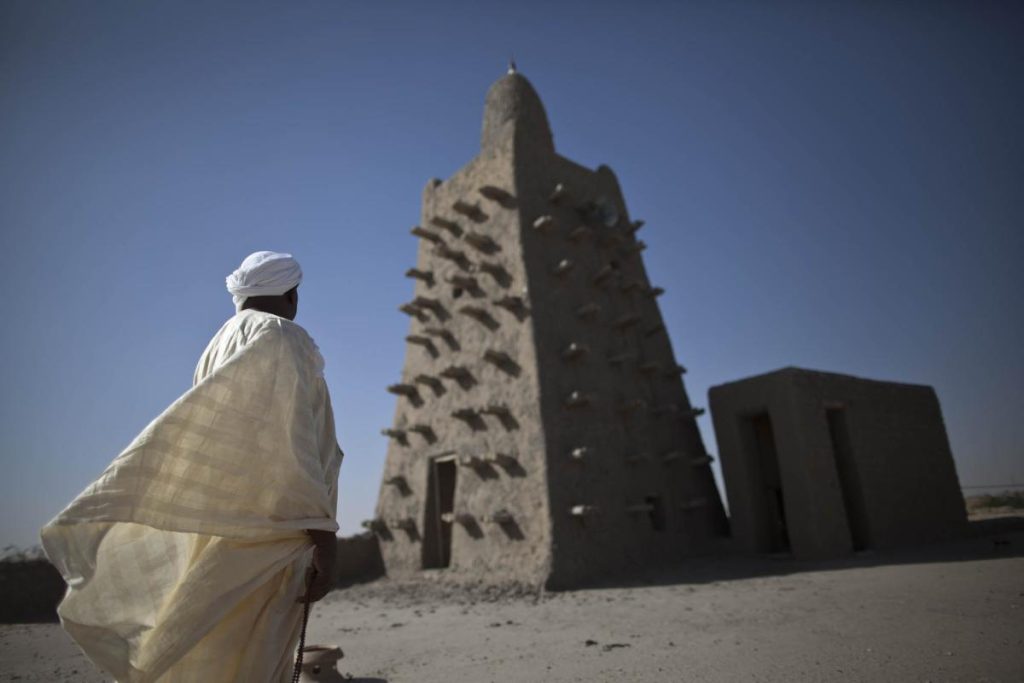
In 2016, Ahmad Al Mahdi was convicted by the ICC for war crimes related to the destruction of cultural heritage in Timbuktu, Mali. His actions led to the devastation of historic sites that hold immense cultural and spiritual significance for the local population. The ICC’s judgement was not merely punitive; it also aimed to provide redress to the victims and restore their dignity.
The Importance of the ICC’s Verdict
The ICC’s decision underscores the importance of protecting cultural heritage during armed conflicts. By holding individuals accountable for such actions, the court emphasizes that destroying cultural property is not only a crime against a nation but also against humanity. The reparations programme reflects the ICC’s commitment to healing the wounds inflicted by war.
The Role of the ICC Trust Fund for Victims
The ICC Trust Fund for Victims (TFV) was established to support victims of crimes prosecuted by the ICC. The TFV provides physical, psychological, and material support to victims and their families. The reparations programme for the Al Mahdi case focused on compensating victims who suffered due to the destruction of cultural heritage and the broader impact on the community.
Objectives of the Reparations Programme
- Acknowledgment of Suffering: Recognizing the pain and loss experienced by victims is crucial for achieving reconciliation.
- Restoration of Cultural Identity: Restoring destroyed cultural heritage is essential for the community’s identity and cohesion.
- Support for Victims: Providing material and psychological support to help victims rebuild their lives.
The Implementation of the Reparations Programme
The reparations programme was implemented in collaboration with local organizations and stakeholders. The ICC worked closely with the Malian authorities to ensure that the reparations effectively addressed the needs of the affected communities.
Key Initiatives
-
Financial Compensation: Providing financial assistance to individuals who lost property or suffered direct losses due to the destruction of cultural sites.
-
Community Rehabilitation Projects: Investing in community projects that aim to restore cultural heritage and promote cultural activities. This includes rebuilding historical monuments and places of worship.
-
Psychosocial Support: Offering psychological support services to help victims cope with their trauma. This aspect is crucial in facilitating emotional healing and promoting social reintegration.
Challenges Faced During Implementation
While the ICC’s reparations programme has been a positive step, it has not been without its challenges.
Resource Constraints
Limited funding poses significant obstacles to the comprehensive implementation of reparations. The ICC Trust Fund operates with a constrained budget, impacting the volume of support it can provide to victims.
Accessibility Issues
Reaching victims in remote areas of Mali remains a challenge. Infrastructural deficiencies and security concerns hinder the delivery of necessary services and support.
Social Stigma and Resistance
Some victims face social stigmatization, which can prevent them from accessing available support. Overcoming historical grievances and building community trust is essential for the program’s success.
Impact on Victims and Communities
The reparations programme has had a profound effect on the victims and the communities involved. It has fostered a sense of justice and validation, allowing victims to feel recognized and heard.
Empowerment of Victims
By receiving financial and psychological support, victims have started to rebuild their lives. Many have initiated small businesses, which have empowered them economically.
Cultural Revival
The restoration of cultural heritage sites has provided communities with a renewed sense of pride and cultural identity. Activities aimed at celebrating and preserving local traditions have revived communal bonds and created opportunities for cultural education.
Broader Implications for Justice and Healing
The completion of the reparations programme presents important insights into the role of international justice in healing societal wounds.
Long-term Peacebuilding
Justice mechanisms like the ICC contribute to long-term peacebuilding by addressing both individual victim needs and collective societal healing. By promoting accountability, these mechanisms can deter future crimes and foster a culture of respect for human rights.
Model for Future Reparations
The reparations experience in the Al Mahdi case can serve as a model for similar initiatives in other contexts. It provides valuable lessons on balancing financial, physical, and psychological support while engaging local communities in the healing process.
Conclusion
The ICC Trust Fund for Victims’ completion of the reparations programme in Mali related to the Al Mahdi case represents a significant step toward justice and reconciliation. While challenges remain, the programme has empowered victims, revived cultural heritage, and fostered community cohesion. Moving forward, international justice mechanisms must continue to prioritize restorative approaches that address the needs and voices of victims effectively. By doing so, they can contribute to a more just and peaceful world, where the scars of war are not only acknowledged but actively healed.
Through ongoing support, collaboration, and advocacy, the aim should be sustained peace and the recognition of the inherent dignity of every victim of conflict.
For more details and the full reference, visit the source link below:
Read the complete article here: https://www.icc-cpi.int/node/238302