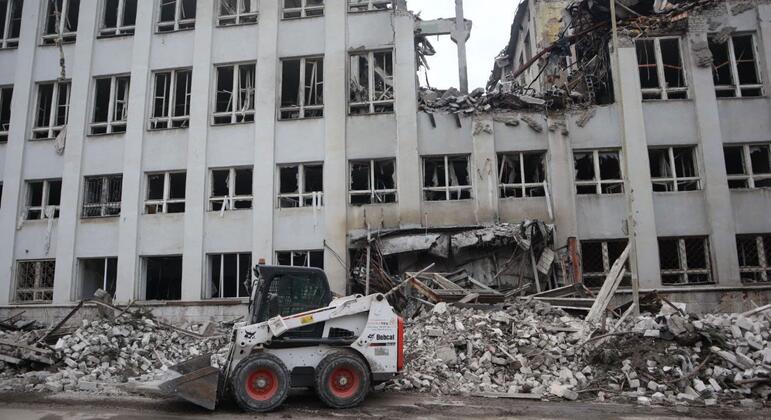

The Humanitarian Toll of Strikes on Ukrainian Energy and Heat Facilities
The ongoing conflict in Ukraine has escalated to alarming levels, with devastating impacts on critical infrastructure, particularly energy and heating facilities. This article examines the humanitarian toll of the strikes on these essential services, as detailed by the United Nations, and their implications for the civilian population.
Understanding the Context: Ukraine’s Energy Crisis
Since the onset of the conflict, Ukraine has experienced severe disruptions to its energy supply. The strikes on energy and heating facilities have intensified, leading to widespread outages. As winter approaches, these disruptions pose an existential threat to public safety and health.
The Role of Energy Facilities in Ukraine
Energy facilities are vital for both residential heating and electricity generation. They supply power to hospitals, schools, and homes, ensuring that civilians have access to essential services. The bombardment of these facilities threatens not only the immediate supply of energy but also the long-term stability of the nation.
The UN’s Assessment of Humanitarian Impact
According to reports from the United Nations, the consequences of strikes on energy infrastructure are dire. The organization emphasizes three key areas affected:
1. Public Health Risks
The lack of adequate heating and electricity creates severe public health risks. Hospitals may struggle to operate without power or heating, putting patients at risk. Additionally, without sufficient heat, vulnerable populations such as children, the elderly, and those with chronic illnesses face increased mortality risks.
2. Displacement of Civilians
With homes rendered uninhabitable due to lack of heat and electricity, many civilians are forced to evacuate. This displacement often leads to overcrowded living conditions in temporary shelters, increasing the risk of disease outbreaks and creating additional strains on humanitarian resources.
3. Psychological Impact
The psychological toll of living under constant threat of airstrikes can lead to anxiety and trauma. The uncertainty and fear experienced by civilians contribute to long-term mental health challenges, further complicating recovery efforts post-conflict.
The Economic Consequences of Strikes on Energy Facilities
Energy facilities are not only crucial for public health; they also play a central role in the economic stability of Ukraine. The attacks on these facilities have resulted in:
A. Job Losses
As businesses face energy shortages, many are forced to close or reduce operations, leading to significant job losses. This economic downturn exacerbates the humanitarian crisis, making it even harder for families to afford basic necessities.
B. Increased Living Costs
The destruction of energy infrastructure causes prices for heat and electricity to soar, making them unaffordable for many. As families grapple with rising costs, their ability to meet basic needs diminishes, further pushing them into poverty.
C. Damage to Economic Infrastructure
The strikes not only damage energy facilities but also impact transportation and communication networks that rely on stable power supplies. This interconnectedness means that disruptions can ripple throughout the economy, slowing recovery efforts.
Long-term Rehabilitation and Recovery Efforts
Rebuilding Ukraine’s energy infrastructure is critical for humanitarian recovery. However, the challenges are immense:
Immediate Repairs
The UN emphasizes the need for immediate repairs to energy facilities to provide temporary relief to affected populations. This includes securing funding and resources for restoration efforts while ensuring the safety of workers involved.
Long-term Planning
In addition to immediate repairs, long-term planning is vital. A shift toward renewable energy sources could not only help Ukraine become more resilient but also contribute to global sustainability efforts.
International Response and Support
The international community has a critical role in alleviating the humanitarian impact of these strikes. Here are some ways support can be mobilized:
Humanitarian Aid
Organizations must ramp up humanitarian aid efforts, supplying food, medical care, and temporary shelter to displaced individuals. This immediate relief is essential for saving lives and maintaining dignity in the face of adversity.
Advocacy and Awareness
Raising awareness about the situation in Ukraine is crucial. Advocacy efforts can apply pressure on political leaders and the international community to take action, whether through sanctions or direct assistance.
Reconstruction Funding
Long-term recovery will require substantial financial investment. Countries and organizations must commit to providing funding for the rehabilitation of energy infrastructure as part of their humanitarian assistance efforts.
The Role of Technology in Recovery
Technology can play a significant role in aiding recovery efforts. Implementing advanced energy systems that focus on efficiency and resilience can help lessen the impact of future conflicts.
Renewable Energy Integration
Investing in renewable energy not only prepares Ukraine for a more sustainable future but also ensures a diversified energy supply less susceptible to sabotage.
Smart Grid Technology
Integrating smart grid technologies can improve energy distribution efficiency and reliability, benefiting both residents and businesses alike.
Conclusion: A Call to Action
The humanitarian toll of strikes on Ukrainian energy and heat facilities is profound, affecting public health, displacing civilians, and straining the economy. The international community must respond with urgency, providing humanitarian aid, advocating for peace, and supporting long-term recovery efforts. By addressing these critical issues, we can contribute to relieving the suffering of millions and aid Ukraine on its path to recovery.
This is not just a regional crisis—it’s a humanitarian emergency that requires global cooperation and commitment. Together, we can ensure the resilience and recovery of Ukraine, safeguarding its future for generations to come.
By taking these actions, we collectively honor our responsibility to support those in need and advocate for a peaceful resolution. As we discuss and share this important topic, let us remain hopeful that through united efforts, the light will return to Ukraine, not only in terms of energy supply but also in hope for a brighter future.
For more details and the full reference, visit the source link below:
Read the complete article here: https://news.un.org/feed/view/en/story/2026/06/1167833