
DHS Launches Landmark USCIS Fraud Investigation in Minnesota
Introduction
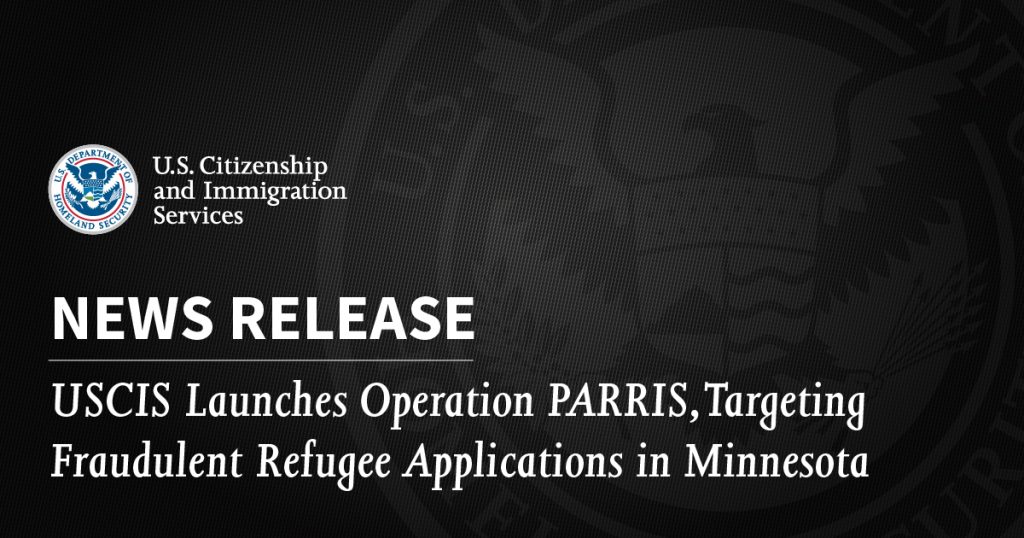
In a significant move, the Department of Homeland Security (DHS) has initiated a landmark investigation focusing on potential fraud within United States Citizenship and Immigration Services (USCIS) operations in Minnesota. This bold step reflects the USCIS’s commitment to maintaining the integrity of the immigration system and ensuring that lawful processes are not compromised. This article delves into the intricacies of the investigation, its implications for immigration practices in Minnesota, and the broader effects on the national immigration framework.
Understanding the Background
The Role of USCIS
USCIS is entrusted with administering the nation’s immigration system, processing applications for visas, citizenship, and refugee status. With millions of applications processed annually, the agency must uphold high standards of integrity and security to ensure that immigration laws are followed.
Rising Concerns About Fraud
Over recent years, concerns regarding fraudulent activities within the immigration system have escalated. Reports of fraudulent applications, identity theft, and exploitation of vulnerable immigrant populations have surfaced, prompting calls for thorough investigations.
Details of the Investigation
What Prompted the Investigation?
The DHS’s decision to launch the investigation follows a series of audits and heightened scrutiny of immigration applications in Minnesota. Officials discovered discrepancies that warranted deeper examination. Reports hinted at possible collusion between immigration assistance service providers and fraudulent applicants.
Objectives of the Investigation
The primary objectives of the investigation include:
- Identifying patterns of fraud in immigration applications.
- Assessing the extent of fraudulent practices in Minnesota.
- Holding accountable those involved in illegal activities that compromise the integrity of the immigration process.
Implications for Minnesota’s Immigrant Community
Impact on Legitimate Applicants
The investigation raises concerns among the legitimate immigrant population in Minnesota. Many fear that increased scrutiny might delay or complicate their applications. However, the DHS has emphasized its priority of safeguarding lawful processes while combating fraud.
Legal Aid and Assistance Programs
In light of the investigation, legal aid organizations are mobilizing to provide assistance to immigrants navigating this uncertain landscape. Advocacy groups stress the importance of educating community members on their rights and the legitimate pathways for immigration processes.
Trust Between Immigrants and Authorities
The investigation may strain the already delicate relationship between immigrant communities and law enforcement agencies. Efforts must be made to foster trust, ensuring that vulnerable populations feel safe to report suspicious activities without fear of repercussions.
National Implications of the Investigation
Setting a Precedent
The DHS’s investigation in Minnesota could set a precedent for similar actions across the country. It highlights a move towards a more rigorous enforcement of immigration laws, which may influence future policy decisions on immigration reform and enforcement.
Collaboration Among Agencies
This investigation underscores the importance of collaboration among various federal, state, and local agencies in tackling immigration fraud. Such cooperation could enhance the effectiveness of immigration enforcement and foster a more secure immigration environment.
The Future of Immigration Policies
Legislative Considerations
As discussions surrounding immigration reform continue, the findings from this investigation may shape legislative proposals. Policymakers are likely to examine the complexities of immigration fraud and seek comprehensive solutions that bolster security without undermining the rights of lawful immigrants.
Community Education Efforts
Educational initiatives must be accelerated to inform immigrants about the legal immigration process and the dangers of fraudulent services. Increasing awareness can reduce the incidence of fraud and empower immigrants to make informed decisions.
Ensuring a Fair and Just Immigration System
Collaboration with Community Organizations
The DHS must collaborate with community organizations to ensure that the investigation does not disproportionately impact innocent individuals. Transparency and communication will be essential in building trust and ensuring justice for all involved.
The Role of Technology
As the DHS enhances its investigative capabilities, technology will play a pivotal role in identifying and preventing fraud. Advanced data analysis and surveillance measures may enable better detection of suspicious activities.
Conclusion
The launch of the DHS’s landmark USCIS fraud investigation in Minnesota is indicative of a critical juncture in the effort to uphold the integrity of the immigration system. While it presents challenges, particularly for legitimate applicants, it also opens avenues for reform and greater cooperation among agencies. The key will be navigating these changes with a focus on fostering trust within immigrant communities while effectively combating fraud.
As the investigation unfolds, its implications are likely to resonate across the country. By prioritizing transparency and community engagement, the DHS can ensure that the immigration system remains fair, just, and aimed at promoting the common good. The need for vigilance in safeguarding the integrity of immigration processes is more crucial than ever as we look to the future of the nation’s immigration framework.
For more details and the full reference, visit the source link below: