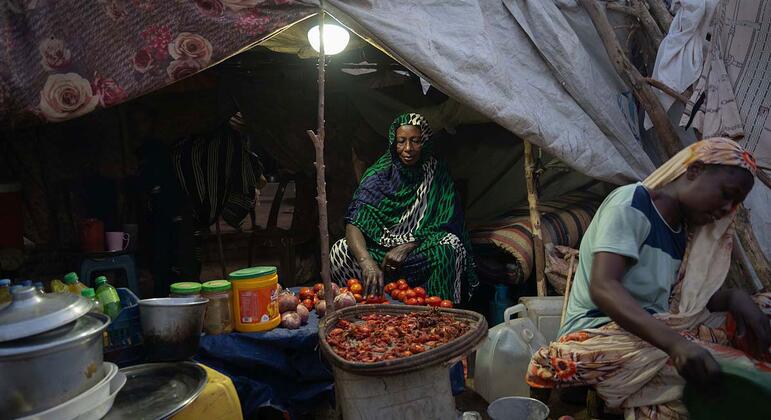

Sudan: Window Closing to Prevent Wider Escalation in El Obeid
Introduction
El Obeid, the capital of North Kordofan in Sudan, has recently emerged as a focal point for escalating tensions and conflict in the region. As various factions vie for control, the potential for broader unrest looms large. With a historical backdrop of political instability and socio-economic challenges, the current situation in El Obeid requires urgent attention to prevent further deterioration.
Historical Context of El Obeid
El Obeid has a rich and tumultuous history, deeply embedded in the cultural and political fabric of Sudan. Historically, it has served as a commercial hub, connecting the northern and southern regions. However, decades of conflict in Sudan, including civil wars and regional skirmishes, have compounded local grievances. Understanding this history provides essential context for the current crisis.
The Strategic Importance of El Obeid
El Obeid holds significant strategic importance due to its geographical location and resources. The region is rich in agricultural potential, with extensive farmland that is crucial for Sudan’s food security. Additionally, its transport links make it an essential node for trade and movement, further heightening the stakes for various factions.
Current Situation: Rising Tensions
Recently, tensions in El Obeid have reached a boiling point, driven by several factors including political power struggles, ethnic tensions, and economic frustrations. These issues have been exacerbated by the ongoing crisis in Sudan, marked by political fragmentation and ongoing conflict between the Sudanese Armed Forces and rival militias.
Political Power Struggles
The political landscape in Sudan remains fragmented, with various groups vying for power. In El Obeid, local leaders and militias have been mobilizing their resources, heightening fears of conflict. The power vacuum created by a lack of effective governance has allowed these factions to operate with increasing impunity.
Ethnic Tensions
Ethnic divisions in Sudan have fueled intercommunal violence for years. In El Obeid, rival ethnic groups have been engaged in a struggle for resources and political recognition, which only serves to heighten existing tensions. As these groups mobilize, the prospect for widespread violence becomes increasingly likely.
Economic Frustrations
Sudan has been grappling with serious economic challenges, including hyperinflation, unemployment, and food insecurity. The people of El Obeid are not immune to these issues, which have led to widespread discontent. The inability of local and national authorities to address these economic hardships has further fueled the desire for change.
The Role of External Actors
External actors have played a significant role in shaping the situation in Sudan, including in El Obeid. Countries and organizations have supported various factions in the ongoing conflict, either directly or indirectly. While such involvement can provide avenues for assistance, it also complicates the local political landscape and can lead to greater instability.
The Window of Opportunity
Despite the dire circumstances, there remains a narrow window of opportunity to avert a larger crisis in El Obeid. Urgent actions must be taken by local leaders, national authorities, and international players to stabilize the region.
Diplomatic Engagement
Promoting dialogue among conflicting factions is critical. Local leaders must be encouraged to come to the negotiating table to address grievances and form coalitions that can work toward peace. Facilitating diplomatic channels can help in mediating tensions and preventing violence.
Economic Initiatives
Immediate economic intervention is necessary to alleviate the suffering of the population. Humanitarian assistance, investment in local infrastructure, and support for agriculture can provide much-needed relief and restore faith in authorities. Investing in the local economy can help to mitigate tensions arising from economic hardship.
Community Involvement
Engaging local communities in peacebuilding efforts can have transformative effects. Grassroots initiatives that focus on reconciliation, community dialogue, and collaborative projects can help foster trust and break down barriers. Empowering local voices in the peace process can lead to more sustainable outcomes.
Risks of Inaction
Failing to address the escalating situation in El Obeid carries significant risks not only for the local population but also for Sudan as a whole. The potential for wider conflict could destabilize the region further, leading to humanitarian crises and displacement. Moreover, the resurgence of violence could embolden extremist factions, exacerbating existing challenges.
Humanitarian Crisis
A lack of immediate intervention risks escalating into a full-blown humanitarian crisis. With access to basic resources already threatened, continued tensions could lead to mass displacement and a breakdown of public health and safety systems.
Regional Instability
The conflict in El Obeid has the potential to spill over into neighboring areas, drawing in external actors and regional powers. As battles for control intensify, surrounding communities may be drawn into the chaos, leading to a wider conflict that would be difficult to contain.
Global Implications
The crisis in Sudan has implications that extend beyond its borders. Increased violence could destabilize a pivotal region, affecting international relations and security. Moreover, a displaced population could lead to migration issues that resonate throughout the surrounding countries and beyond.
Conclusion: Urgent Action Needed
As the window of opportunity begins to close, urgent and concerted efforts are needed to prevent a wider escalation in El Obeid. The intricacies of Sudan’s political, social, and economic landscape must be navigated carefully to bring about a transformative change.
The importance of diplomacy, economic assistance, and community involvement cannot be understated in this fragile environment. Local leaders, national authorities, and the international community must unite to avert a disaster that could have far-reaching consequences for Sudan and the entire region.
As the challenges mount in Sudan, so too does the responsibility to act. The people of El Obeid, and indeed the broader Sudanese populace, deserve a chance at peace and stability—a chance that must be seized before it is too late.
For more details and the full reference, visit the source link below:
Read the complete article here: https://news.un.org/feed/view/en/story/2026/06/1167821