
Thousands Trapped in Southern Ukraine Struggle to Survive
Introduction
The ongoing conflict in Ukraine has resulted in dire humanitarian crises, especially in the southern regions of the country. Thousands of people find themselves trapped, struggling to meet basic needs while facing relentless challenges. This article explores their plight, the humanitarian response, and the broader implications of this situation.
The Humanitarian Crisis Unfolding in Southern Ukraine
Background of the Conflict
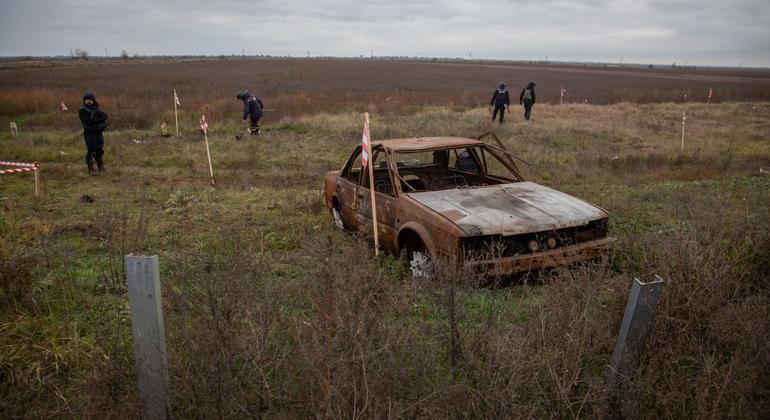
Since the beginning of the Russian invasion in February 2022, the landscape of Ukraine has drastically changed. Southern regions, such as Kherson and Zaporizhzhia, have been particularly affected by military operations. The escalation of violence has left many civilians vulnerable, leading to a humanitarian disaster.
The Current Situation
Reports indicate that thousands of individuals, including women and children, are trapped in conflict zones. Limited access to essential services such as food, water, and medical care exacerbates their suffering. The destruction of infrastructure has made movement difficult, and many families remain separated amid the chaos.
Daily Struggles of Trapped Civilians
Limited Access to Basic Necessities
One of the most pressing issues faced by those trapped in southern Ukraine is the scarcity of food and clean water. With supply routes blocked or heavily monitored, residents often go days without adequate nourishment. This shortage has led to malnutrition and health complications.
Health Care Challenges
Access to medical care is another critical concern. Hospitals have been damaged or repurposed for military use, meaning that many civilians cannot receive treatment for chronic conditions or injuries sustained during bombings. The lack of essential medications further complicates their survival.
Psychological Toll
The mental health impact of prolonged conflict cannot be understated. Many trapped individuals experience severe anxiety, depression, and trauma as they live daily under the threat of violence. Children, in particular, are facing challenges that could shape their futures for years to come.
Humanitarian Response Efforts
Local and International Aid
Various humanitarian organizations are working tirelessly to provide assistance to those trapped in southern Ukraine. Local NGOs, alongside international bodies like the United Nations and the Red Cross, have mobilized to deliver food, medical supplies, and psychological support.
Challenges in Delivering Aid
Despite these efforts, delivering aid remains fraught with challenges. Logistical difficulties due to ongoing military activity, bureaucratic red tape, and safety concerns for aid workers present significant obstacles. Many regions remain inaccessible, further isolating vulnerable populations.
Community Resilience
In the face of adversity, local communities have shown remarkable resilience. Neighbors often band together to share resources, pooling what little they have to support one another. This community spirit is vital for survival in such dire circumstances.
Long-Term Implications of the Crisis
Impact on Displacement
The ongoing conflict and the resultant humanitarian crisis have led to a significant displacement of populations. Many trapped individuals are unable to flee, while others have been forced to leave their homes behind. The long-term implications for these displaced individuals could be severe, affecting their livelihoods, education, and overall quality of life.
Challenges for Future Reconstruction
Rebuilding southern Ukraine will be a complex and daunting task once the conflict subsides. The destruction of infrastructure, housing, and social services presents long-term challenges that will require national and international cooperation.
The Importance of International Solidarity
Solidarity from the international community is crucial. Support in the form of financial aid, logistical assistance, and political pressure on warring factions can help alleviate the suffering of those trapped. The need for a sustainable resolution to the conflict remains more urgent than ever.
Conclusion
The plight of thousands trapped in southern Ukraine is a stark reminder of the devastating impact of war on civilian populations. While humanitarian efforts provide a glimmer of hope, the road to recovery remains fraught with challenges. Collective action, compassion, and resilience will be essential in supporting these individuals as they strive to survive amid unimaginable circumstances.
Call to Action: Supporting Humanitarian Efforts
Ways to Help
-
Donations: Contributing to reputable organizations that are actively providing aid on the ground can make a significant difference.
-
Raising Awareness: Sharing information about the crisis can help garner more attention and support for the affected populations.
-
Volunteering: If you’re able, consider volunteering with local NGOs, whether in your community or in support of international organizations.
By coming together, the global community can help alleviate the suffering of those trapped in southern Ukraine and work towards a future of peace and stability.
For more details and the full reference, visit the source link below:
Read the complete article here: https://news.un.org/feed/view/en/story/2026/06/1167809