
Central African Republic Peace Gains Must Be Preserved: UN Envoy
Introduction
The Central African Republic (CAR) has endured years of conflict and instability, leading to humanitarian crises and significant challenges in governance and development. The United Nations (UN) envoy has emphasized the importance of preserving the peace gains made in recent years, highlighting that maintaining stability is critical for the nation’s future. This article explores the context, the progress that has been made, and the challenges that lie ahead for CAR.
Context: A History of Conflict
The Central African Republic has a complex history marked by violence, civil wars, and humanitarian crises. Since gaining independence from France in 1960, the nation has faced numerous coups and rebellions. The most recent conflict began in 2013 when the Seleka rebel coalition overthrew then-President Francois Bozizé. This conflict led to widespread atrocities and displacement, drawing international condemnation and requiring humanitarian intervention.
Recent Peace Efforts
In 2019, a peace agreement was signed between the government and 14 armed groups, representing a significant effort to restore peace. This agreement, known as the Khartoum Agreement, has led to a reduction in violence in several regions, marked by increased cooperation between former adversaries. The UN peacekeeping mission (MINUSCA) has played a crucial role in facilitating dialogue and maintaining law and order.
The Role of the United Nations
The UN’s involvement in CAR is crucial for peacekeeping and humanitarian assistance. The UN envoy works tirelessly to mediate between conflicting parties and support the government in implementing peacebuilding measures. Efforts include ongoing training for local security forces and promoting dialogue among various stakeholders. The UN’s commitment offers hope to the citizens of CAR, but it requires sustained international support.
Achievements and Progress
The progress in the Central African Republic is commendable. The government has managed to regain control over several territories, and security has improved in areas that were once considered no-go zones. Schools and healthcare facilities are gradually reopening, and some displaced persons are returning to their communities.
Grassroots Initiatives
Local peacebuilding initiatives have emerged, showcasing the resilience of the CAR people. Community leaders, women, and youth have taken the initiative to form organizations aimed at reconciliation and coexistence. These grassroots efforts complement national and international peace efforts, creating a more robust foundation for long-term stability.
Challenges to Peace
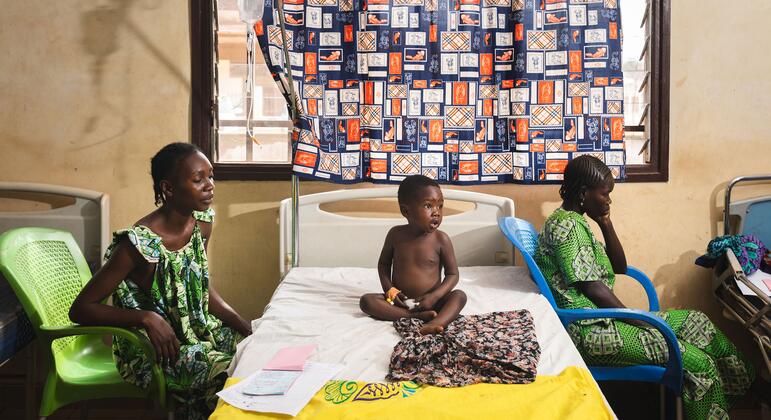
While the progress is encouraging, several challenges threaten the gains made in CAR. Ongoing violence from non-signatory groups and intra-community tensions continue to undermine security. The humanitarian situation remains precarious, with millions still in need of assistance.
Political Instability
Political uncertainty persists, exacerbated by inadequate governance and a lack of political will among some leaders to embrace compromise. Trust between the government and the people remains fragile, and corruption poses a significant obstacle to effective governance.
Economic Struggles
The economy of CAR has been significantly affected by prolonged conflict, with agriculture and infrastructure suffering the most. Approximately 70% of the population lives below the poverty line, and many communities are heavily reliant on foreign aid. Economic stability is crucial for sustaining peace, and international partners must be engaged in rebuilding the economy.
The Role of International Community
The international community plays a vital role in supporting peace in the Central African Republic. Investment in the country’s economic development, infrastructure, and governance is crucial. Continued humanitarian assistance is also necessary for providing basic services to the population.
Sustainable Development Goals (SDGs)
Aligning the peace efforts with the United Nations’ Sustainable Development Goals (SDGs) will help address the root causes of conflict. By focusing on poverty eradication, quality education, and gender equality, international partners can contribute to a more stable and prosperous CAR.
Ensuring Long-Term Peace
To ensuring the longevity of peace in the Central African Republic requires a multifaceted approach:
-
Strengthening Governance: Building a transparent and accountable government will foster trust among citizens. It is imperative to combat corruption and ensure that public resources are used effectively for the welfare of the people.
-
Inclusive Dialogue: Engaging all stakeholders, including marginalized communities, in the peace process is essential. Empowering diverse voices fosters a sense of ownership and responsibility for sustaining peace.
-
Supporting Education and Economic Opportunities: Investing in education and vocational training will equip citizens with the skills necessary for economic independence. Creating jobs and opportunities will reduce susceptibility to recruitment by armed groups.
-
Continued International Support: The UN and other international organizations must remain committed to the Central African Republic. Sustaining peace is dependent on long-term investment and support from global partners.
Conclusion
The peace gains achieved in the Central African Republic are a testament to the resilience of its people and the commitment of the international community. However, the challenges remain significant, and it is vital to preserve these hard-fought gains. As the UN envoy emphasizes, a concerted effort from all stakeholders — local, national, and international — is essential to secure lasting peace and prosperity in CAR. By working together, there is hope for a brighter future, free from the shadows of conflict.
For more details and the full reference, visit the source link below:
Read the complete article here: https://news.un.org/feed/view/en/story/2026/06/1167791