
UN Warns Civilians Remain at Risk as Airstrikes Continue Across Gaza
Introduction
The ongoing conflict in Gaza has captured global attention, with escalating airstrikes posing significant risks to civilian populations. The United Nations (UN) has issued stern warnings about the dangers faced by Gaza’s residents. This situation requires urgent attention and action from the international community to protect innocent lives and seek sustainable resolutions.
Understanding the Context of the Gaza Conflict
Historical Background
The conflict in Gaza has deep historical roots, driven by political, territorial, and social grievances. The area has been a focal point of tension between Israelis and Palestinians for decades, characterized by periods of intense violence and fragile ceasefires. Understanding this history is crucial for comprehending the current crisis.
Recent Escalations in Violence
In recent months, the situation has escalated drastically. Airstrikes have intensified, targeting specific locations within Gaza. Reports of civilian casualties and displacement have raised alarm bells, startling humanitarian organizations and highlighting the urgent need for diplomatic intervention.
The UN’s Perspective on Civilian Risks
Ongoing Civilian Casualties
The UN has expressed deep concern regarding the impact of continuous airstrikes on civilian lives. Reports indicate that a growing number of civilians, including women and children, have been caught in the crossfire, leading to tragic losses. These casualties underscore the dire need for adherence to international humanitarian law.
Importance of International Humanitarian Law
International humanitarian law is designed to protect individuals during times of armed conflict. According to the Geneva Conventions, parties involved in conflicts must distinguish between combatants and non-combatants at all times. The UN has emphasized that the ongoing airstrikes violate these fundamental principles, which should guide military operations.
The Humanitarian Crisis in Gaza
Displacement and Refugee Crisis
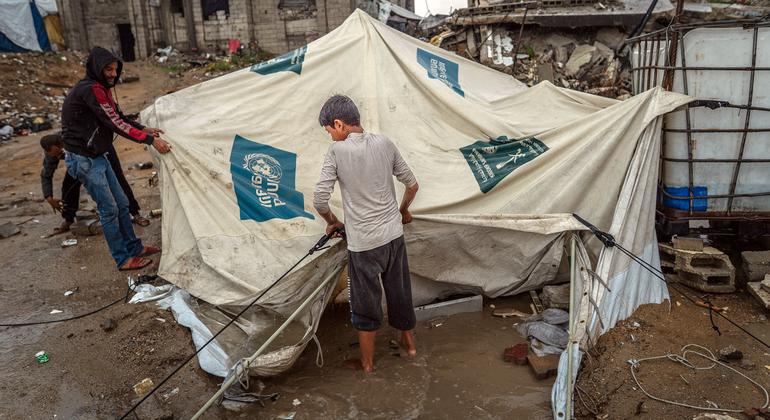
The airstrikes have resulted in mass displacement of families, forcing many to leave their homes in search of safety. The UN reports an alarming increase in the number of displaced persons within Gaza. Camps are becoming overcrowded, leading to further humanitarian challenges such as inadequate shelter, food, and medical care.
Access to Basic Needs and Services
Amidst the chaos, access to basic services has been severely compromised. Hospitals are overwhelmed, and medical supplies are dwindling, leaving healthcare workers struggling to respond to the urgent needs of those injured by the violence. Water and sanitation systems are also under extreme strain, heightening the risk of disease outbreaks.
The Role of the International Community
Calls for Ceasefire and Diplomacy
The UN has called for an immediate ceasefire to protect civilians and enable humanitarian aid to flow freely. Diplomatic efforts must be intensified to foster dialogue between the conflicting parties. International pressure is vital to ensure compliance with humanitarian laws and to address the root causes of the conflict.
Support for Humanitarian Aid Efforts
Humanitarian organizations are already on the ground, providing vital aid and support to affected civilians. However, these organizations require increased support from the international community, including funding, resources, and protection for aid workers. Increased visibility and advocacy are essential to raise awareness of the humanitarian needs in Gaza.
The Psychological Toll on Civilians
Trauma and Mental Health Issues
The ongoing violence has profound psychological effects on civilians. Exposure to airstrikes creates a pervasive sense of fear and anxiety, especially among children. The long-term mental health repercussions can hinder recovery and stability, making it crucial to incorporate psychological support into humanitarian efforts.
The Need for Community Resilience
Community resilience should be prioritized to help Gaza’s residents withstand the psychological trauma inflicted by the conflict. Initiatives focusing on mental health services, community-building activities, and social support systems can play a significant role in fostering resilience among affected populations.
The Role of Media in Raising Awareness
Reporting on Civilian Impact
Media coverage plays a pivotal role in raising awareness about the risks faced by civilians in Gaza. Journalists must ensure accurate reporting that highlights the human impact of the airstrikes and the desperate humanitarian situation. Such coverage is vital in mobilizing public opinion and encouraging international action.
Combating Misinformation
In today’s digital landscape, misinformation can spread rapidly, obscuring the realities of the situation in Gaza. Responsible reporting and fact-checking by media outlets can help mitigate the spread of false narratives, ensuring that the plight of civilians is recognized and addressed.
Conclusion
The UN’s warnings about the ongoing risks faced by civilians in Gaza are a clarion call for action. As airstrikes continue, the international community must prioritize humanitarian concerns, striving for a sustainable ceasefire and restoring access to basic needs and services. The voices of Gaza’s residents must be amplified, as they bear the brunt of this longstanding conflict. Only through concerted international efforts can we hope to see a peaceful resolution that protects the rights and lives of innocent civilians.
Call to Action
Individuals can contribute to raising awareness and supporting humanitarian efforts. Share information through social media, engage in discussion forums, and advocate for increased governmental support for humanitarian initiatives in Gaza. It’s essential to remember that, amidst conflict, it is the civilians who suffer the most, deserving our collective compassion and action.
For more details and the full reference, visit the source link below:
Read the complete article here: https://news.un.org/feed/view/en/story/2026/02/1166937