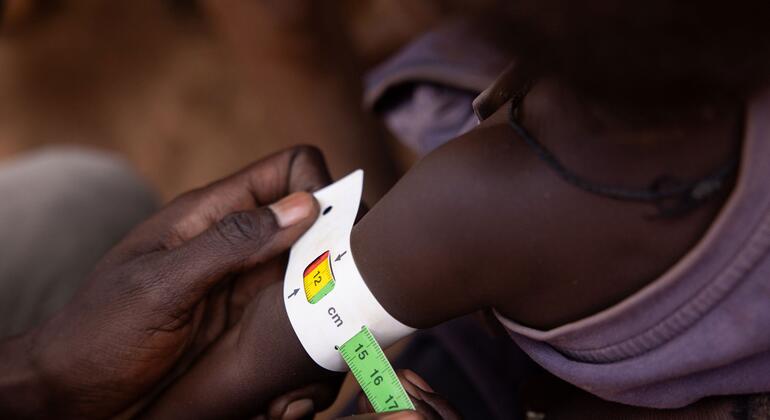

Worsening Hunger: A Global Crisis Threatening Millions
Introduction
As we navigate through the 21st century, one of the most pressing challenges we face is the increasing rates of hunger and food insecurity. With conflicts, climate change, and economic instability at the forefront, many communities find themselves on the brink of starvation. This article delves into 13 global hotspots where worsening hunger threatens to push millions closer to famine.
Understanding the Crisis
Defining Hunger and Famine
Hunger is a multifaceted issue characterized by a lack of access to sufficient and nutritious food. When this situation escalates, it can lead to famine, a severe level of food insecurity where large numbers of people experience extreme hunger, starvation, and high mortality rates.
The Current Landscape
According to the latest reports from the United Nations and various non-profit organizations, around 811 million people globally experience hunger. This trend is exacerbated in conflict zones, regions affected by climate change, and areas witnessing economic downturns.
The 13 Global Hotspots
1. Yemen
Yemen remains one of the world’s most severe humanitarian crises. Years of conflict have destroyed infrastructures, leaving around 16 million people in dire need of food assistance. The ongoing war hampers agricultural activities, further escalating hunger.
2. South Sudan
South Sudan has grappling with internal conflict since its independence in 2011. Fluctuations in food production, coupled with economic instability, have led to severe hunger affecting nearly 7 million people.
3. Syria
Over a decade of violence and instability has decimated Syria’s agricultural capabilities. Millions have been displaced, leading to chronic food shortages. Humanitarian assistance remains vital as the nation faces widespread hunger.
4. Afghanistan
Following political upheaval, Afghanistan is experiencing significant food insecurity. Economic conditions have deteriorated, pushing millions to the brink of famine. Without adequate humanitarian aid, the situation could worsen.
5. Ethiopia
Conflict in the Tigray region alongside climate-induced challenges has resulted in alarming hunger levels in Ethiopia. The situation is dire, with millions facing acute levels of food insecurity.
6. Democratic Republic of the Congo (DRC)
The DRC is rich in resources, yet years of conflict and poor governance have led to a staggering hunger crisis. Approximately 27 million people are food insecure, making humanitarian intervention crucial.
7. Nigeria
In Nigeria, ongoing conflict and terrorism in the northern regions hamper agricultural efforts, leading to severe food shortages. Nearly 18 million people require urgent assistance to meet their nutritional needs.
8. Haiti
Haiti’s ongoing political instability and economic struggles have led to a hunger crisis affecting 4.5 million individuals. With limited access to food and resources, many are at risk of famine.
9. Central African Republic (CAR)
The CAR has faced ongoing violence for years, leaving 2.5 million people food insecure. Without enhanced humanitarian efforts, the risk of widespread famine remains high.
10. Somalia
Severe droughts and conflict have exacerbated the situation in Somalia, where around 7 million people are in need of urgent food assistance. The potential for famine looms as resources dwindle.
11. Chad
Chad has been impacted by various factors, including climate change and conflict, leading to food insecurity for 5 million individuals. Immediate action is necessary to avert a humanitarian disaster.
12. Zimbabwe
Zimbabwe’s economy has been struggling for years, and erratic weather patterns have compounded food insecurity. With over 4 million people at risk, urgent intervention is required to address hunger.
13. Myanmar
Political turmoil in Myanmar has disrupted food distribution and access. Millions are affected by malnutrition and hunger, with humanitarian organizations calling for immediate assistance.
Causes of Increasing Hunger
Conflicts and Violence
Ongoing violence disrupts food production, displaces populations, and limits access to markets. Areas experiencing conflict are often the most vulnerable to rising hunger rates.
Climate Change
Extreme weather events, including droughts, floods, and changing temperatures, significantly affect agricultural yields, leading to food shortages in many regions.
Economic Instability
Economic downturns can severely impact food prices and availability. Communities on the brink of poverty struggle to afford food and sustain their families.
Global Supply Chain Issues
Recent global events have disrupted supply chains, making food scarce in many regions. This has a cascading effect on prices and access, pushing vulnerable populations closer to famine.
The Role of Humanitarian Aid
Importance of Aid
Humanitarian organizations play a crucial role in providing immediate assistance to communities on the brink of famine. Food distribution, nutritional support, and agricultural assistance are vital in combating rising hunger levels.
Sustainable Solutions
While immediate aid is critical, sustainable solutions are necessary for long-term food security. Enhancing local agricultural practices, investing in resilient infrastructure, and addressing the root causes of conflict are essential steps.
Conclusion
The worsening hunger crisis in 13 key global hotspots highlights an urgent need for international cooperation and action. While the statistics are alarming, there remains hope in the commitment to humanitarian aid and sustainable development. By addressing the underlying issues and providing immediate assistance, we can work towards a future where hunger is eradicated, and everyone has access to the nutrition they need.
Call to Action
As individuals and communities, we can contribute to alleviating hunger through raising awareness, supporting humanitarian organizations, and advocating for policies that promote food security. By standing together, we can make a difference and help millions escape the looming threat of famine.
For more details and the full reference, visit the source link below:
Read the complete article here: https://news.un.org/feed/view/en/story/2026/06/1167742

