
Security Council LIVE: Open Debate on Women, Peace, and Security
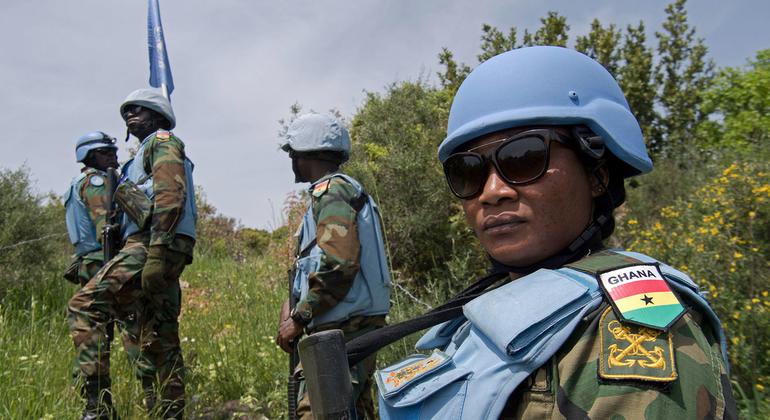
The realm of international relations has increasingly recognized the vital role that women play in peace and security efforts. The UN Security Council’s open debate on women, peace, and security serves as a platform to address the significant impact of gender dynamics in conflicts and peace processes. This article discusses the key themes, highlights, and implications of the ongoing dialogue at the Security Council regarding women’s roles in peacebuilding and conflict resolution.
Understanding Women, Peace, and Security
The concept of women, peace, and security emphasizes the necessity of integrating gender considerations into the agenda of peace and security. This was formalized with UN Security Council Resolution 1325, passed in 2000, which underscored the importance of women’s participation in peace negotiations, protection from gender-based violence, and the need for gender perspectives in peacekeeping and post-conflict reconstruction.
The Importance of Gender Inclusion in Peace Processes
Research has shown that women’s inclusion in peace processes leads to more sustainable and effective outcomes. For instance, when women participate in peace negotiations, they often advocate for broader societal changes that reflect the needs of a wider population. The open debate at the Security Council highlights these findings, encouraging member states to implement gender-sensitive strategies in their national and international policies.
Challenges Facing Women in Conflict Zones
Despite the acknowledgment of women’s significant roles in peacebuilding, numerous challenges persist. Women in conflict zones often endure disproportionate violence, lack access to basic services, and face systemic discrimination. During the Security Council’s live debate, these issues were brought to the forefront, with member states sharing personal accounts and data highlighting the realities faced by women amidst conflict.
Key Themes Addressed in the Debate
1. Participation and Representation
One of the critical points of discussion in the debate emphasized the need for increased representation of women at all levels of decision-making in peace and security initiatives. Member states advocated for policies that promote women’s leadership and participation, moving beyond mere tokenism to genuine inclusion.
2. Protection from Gender-Based Violence
The debate also focused on the urgent need for protection measures for women and girls in conflict zones. Gender-based violence remains a pervasive issue, with specific reference to sexual violence as a weapon of war. Various states and organizations called for more robust international mechanisms to hold perpetrators accountable and to provide support for survivors.
3. Economic Empowerment
Economic empowerment was another theme that resonated throughout the discussions. Member states highlighted the importance of integrating women’s economic rights into post-conflict recovery plans. Economic independence allows women to actively participate in rebuilding their communities and enhances their role in maintaining peace.
4. Youth and Education
The role of youth—especially young women—in promoting peace was also addressed. Education is a critical factor in equipping young women with the skills and resources needed to advocate for peace and security within their communities. The debate acknowledged that investing in girls’ education can lead to significant societal changes.
The Role of Member States
During the live debate, various member states presented their national efforts in promoting women, peace, and security. Countries shared best practices, case studies, and ongoing projects aimed at integrating gender perspectives in conflict resolution. This collective sharing of experiences creates an opportunity for cross-national collaboration and learning, which is vital for advancing the agenda.
The Impact of Global Organizations and NGOs
In addition to member states, numerous international organizations and non-governmental organizations (NGOs) were active participants in the debate. They provided valuable insights into ground-level challenges and successes. Many highlighted the need for consistent support and funding for women-focused initiatives in conflict and post-conflict settings. Their involvement underscores the criticality of a global commitment to integrating women’s perspectives into peace and security efforts.
Future Directions and Recommendations
The Security Council’s open debate on women, peace, and security sets the stage for action-oriented outcomes. Here are some recommendations that emerged during the discussion:
– Strengthening Policy Frameworks
Countries need to enhance national policies that promote women’s participation in peace processes. This includes instituting quotas and support systems that ensure women are included in negotiations and decision-making roles.
– Enhancing Accountability Mechanisms
Establishing clear accountability mechanisms for gender-based violence can help deter such actions in conflict zones. Member states should collaborate to create efficient reporting and response structures that prioritize victims’ needs.
– Investing in Education and Empowerment Programs
Long-term solutions must involve investing in the education and empowerment of women and youth, equipping them to take on leadership roles in their communities.
– Fostering International Collaboration
Continuous dialogue and collaboration among member states, NGOs, and international organizations are vital for sharing knowledge, resources, and strategies that promote gender equality in peace and security.
Conclusion
The Security Council’s open debate on women, peace, and security is a pivotal step forward in acknowledging and amplifying women’s roles in peacebuilding efforts globally. By addressing participation, protection, empowerment, and education, the Council is fostering a more inclusive and sustainable approach to peace and security. As discussions continue, it is imperative that the international community remains committed to implementing actionable strategies that protect and uphold the rights of women and girls amidst conflict. The future of peace hinges on recognizing that women are not merely victims of war but are crucial agents of change capable of leading us toward a more peaceful world.
For more details and the full reference, visit the source link below:
Read the complete article here: https://news.un.org/feed/view/en/story/2026/06/1167735