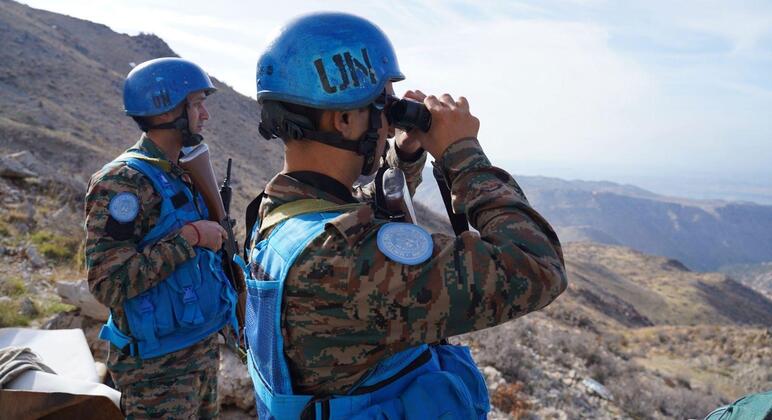

UN Peacekeeping Patrols Suspended Along the Lebanon-Israel Blue Line
Introduction
The suspension of UN peacekeeping patrols along the Lebanon-Israel Blue Line has raised significant concerns among international observers and local communities. As tensions remain high between Lebanon and Israel, understanding the implications of this suspension becomes crucial for regional stability and global peacekeeping efforts.
Overview of the Blue Line
The Blue Line, established by the United Nations in 2000, serves as a demarcation between Israel and Lebanon following the Israeli withdrawal from Southern Lebanon. This line is critical for maintaining peace in an area marked by longstanding conflicts, border disputes, and military confrontations. The United Nations Interim Force in Lebanon (UNIFIL) was tasked with monitoring this frontier, helping to prevent further escalation of violence.
Role of UN Peacekeeping Missions
UN peacekeeping missions are deployed worldwide to foster stability, protect civilians, and uphold international law. In the case of UNIFIL, the mission involves patrolling the Blue Line, ensuring compliance with ceasefire agreements, and facilitating humanitarian assistance. The presence of UNIFIL has historically acted as a buffer between warring parties, aiming to prevent military confrontations and promote dialogue.
Reasons for Suspension of Patrols
Rising Tensions
The suspension of peacekeeping patrols can be attributed to various factors. Recent skirmishes along the border, increased military activities, and strategic maneuvers by both Israel and Lebanese Hezbollah have complicated UNIFIL’s operations. The uncertainty generated by these developments has made it challenging for peacekeepers to operate effectively in the region.
Funding and Resources
Financial constraints and logistical challenges also play a significant role in the suspension of patrols. UN peacekeeping missions heavily rely on contributions from member states, and any shortfall in funding directly impacts their ability to conduct patrols and fulfill their mandates. Resource limitations can affect the overall effectiveness of UNIFIL in maintaining peace along the Blue Line.
Political Dynamics
The geopolitical landscape in the Middle East is continually evolving, with various external influences complicating peacekeeping efforts. Political disagreements among UN member states regarding the mandate and the future of UNIFIL further exacerbate operational challenges, leading to temporary suspensions of patrols.
Impact on Regional Stability
Increased Risk of Conflict
The suspension of patrols heightens the risk of misunderstandings and escalations between Israeli and Lebanese forces. Without UNIFIL’s presence to mediate tensions, flashpoints may emerge, resulting in destabilizing confrontations that could expand conflict beyond the Blue Line.
Humanitarian Concerns
Suspended UN patrols can exacerbate humanitarian conditions in the region. Limited peacekeeping presence can lead to increased violence and insecurity, forcing civilians to flee their homes and depriving them of essential services. Humanitarian organizations may struggle to provide support, further endangering vulnerable populations.
The Role of Diplomatic Efforts
International Engagement
The international community must step up its diplomatic efforts to resolve the underlying tensions between Lebanon and Israel. Engaging both countries in dialogue and promoting confidence-building measures are essential steps toward restoring stability and enabling the resumption of UN peacekeeping patrols.
Strengthening UNIFIL’s Mandate
Reassessing and strengthening the mandate of UNIFIL could enhance its operational capabilities. Ensuring the mission has adequate resources, personnel, and funding is crucial for enabling sustained peacekeeping efforts in the region. Broadening the scope of its activities to include proactive measures may help mitigate risks and strengthen its role as a stabilizing force.
Future Prospects for UN Peacekeeping Along the Blue Line
Resumption of Patrols
The resumption of UN patrols along the Blue Line will depend on a combination of ease in regional tensions, increased political cooperation, and a commitment from the international community to support UNIFIL’s initiatives. The proactive engagement of all stakeholders is crucial for creating conducive conditions for the return of peacekeeping operations.
Building Sustainable Peace
For lasting peace along the Lebanon-Israel border, long-term solutions are essential. This involves addressing the root causes of conflict and promoting inter-community dialogue. Emphasizing economic development, infrastructure projects, and educational initiatives can create an environment conducive to cooperation and mutual understanding.
Conclusion
The suspension of UN peacekeeping patrols along the Lebanon-Israel Blue Line poses substantial risks not only for the region but also for the broader stability of the Middle East. It highlights the critical nature of international cooperation in addressing complex geopolitical issues. As the world watches these developments, renewed dedication to diplomatic efforts and UN support will be vital in restoring peacebuilding initiatives along the Blue Line and ensuring a stable future for both Lebanon and Israel.
For more details and the full reference, visit the source link below:
Read the complete article here: https://news.un.org/feed/view/en/story/2026/02/1166875