
While World Waits for Details on Iran-US Accord, UN Calls for Hormuz Aid Corridor
Introduction
As the world holds its collective breath in anticipation of a potential Iran-US accord, the United Nations has stepped in with a critical proposal aimed at the safety and well-being of one of the world’s most significant waterways: the Strait of Hormuz. The impending agreement between Iran and the United States could pave the way for significant geopolitical shifts in the region, but the urgency of humanitarian needs cannot be overlooked. This article explores the implications of the anticipated accord, alongside the UN’s call for an aid corridor in Hormuz.
The Geopolitical Significance of the Strait of Hormuz
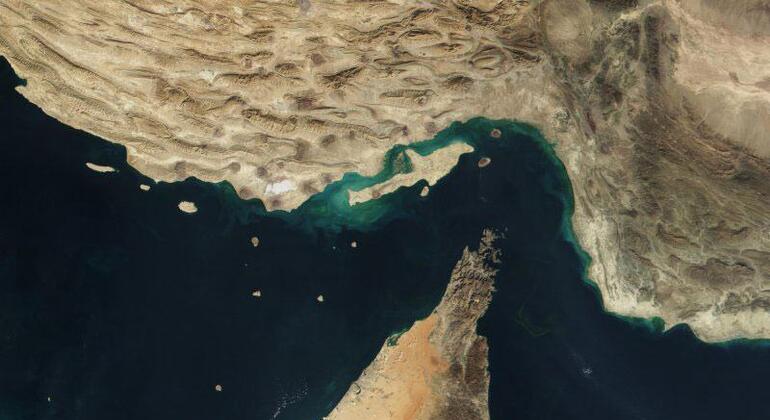
The Strait of Hormuz is a narrow waterway that connects the Persian Gulf with the Gulf of Oman, playing an essential role in global trade. Approximately 20% of the world’s crude oil passes through this vital strait every day. Thus, any instability in the region—whether political, military, or humanitarian—can have far-reaching effects on international markets, energy supplies, and global security.
Current Tensions in the Region
The relationship between Iran and the United States has long been fraught with tension, particularly following the U.S.’s withdrawal from the Joint Comprehensive Plan of Action (JCPOA) in 2018. Since then, the situation has escalated, with both nations navigating complex diplomatic waters. As negotiations hinted at a renewed dialogue, the global community’s attention has shifted back to the potential ramifications of a renewed Iran-US accord.
The UN’s Proposal for Hormuz Aid Corridor
In light of ongoing tensions and the humanitarian crises exacerbated by them, the United Nations has proposed the creation of an aid corridor in the Strait of Hormuz. This corridor aims to facilitate the safe passage of humanitarian assistance to affected regions and communities suffering from the consequences of geopolitical disputes.
Objectives of the Aid Corridor
-
Humanitarian Relief: The primary aim is to provide timely and effective humanitarian assistance to those in need, particularly in countries surrounding the Strait of Hormuz.
-
Stabilization of the Region: By ensuring that humanitarian aid reaches affected areas, the corridor could help mitigate some of the humanitarian crises that fuel unrest and instability, potentially laying the groundwork for broader diplomatic solutions.
-
Regional Security: A successful aid corridor could also promote cooperation between Iran, neighboring countries, and the global community, ultimately leading to improved security in the region.
Implications of the Iran-US Accord
While the UN’s proposal is both timely and essential, the details of a potential Iran-US accord remain uncertain. However, potential implications of such an agreement extend beyond the geopolitical landscape.
Economic Impact
An Iran-US accord could lead to the lifting of economic sanctions imposed by the United States on Iran. This would not only benefit Iran’s economy but could also stabilize global oil markets by increasing supply. As countries jockey for energy resources, this could result in lower fuel prices worldwide.
Diplomatic Relations
The potential revival of diplomatic channels between Iran and the US could open opportunities for multi-lateral talks that include other countries in the region. Such discussions could pave the way for a broader peace process in the Middle East.
Rise in Trust and Cooperation
A successful accord could create a climate of trust, allowing nations to work collaboratively on regional issues, including countering terrorism and addressing environmental challenges.
Challenges Ahead: Balancing Diplomacy with Humanitarian Needs
While the prospect of an Iran-US accord and an aid corridor in Hormuz is promising, significant challenges remain.
Ongoing Hostilities
Even as negotiations proceed, occasional skirmishes and hostilities could jeopardize the stability necessary for a successful aid corridor. This requires robust international monitoring and peacekeeping efforts.
Skepticism from Regional Players
Countries in the region may be wary of a rapprochement between Iran and the US, fearing it could tip the balance of power. This skepticism could complicate efforts to establish the proposed aid corridor.
Implementation of the Aid Corridor
Establishing an effective aid corridor will require the cooperation of various stakeholders, including Iran, the US, and other regional powers. Coordination and logistical challenges may pose significant hurdles.
The Role of International Media
In times of geopolitical uncertainty, international media play a critical role in generating public awareness and engagement. It is essential that coverage of the Iran-US negotiations and the proposed Hormuz aid corridor is both balanced and fact-based.
The Need for Accurate Reporting
Misrepresentation or sensationalism in reporting can quickly escalate tensions. Accurate journalism can help foster an atmosphere of understanding and dialogue, rather than fear and division.
Public Engagement
Increased media coverage can help rally public and governmental support for humanitarian efforts in the region. This can play a pivotal role in the successful establishment of the proposed aid corridor.
Conclusion: A Path Forward
The potential Iran-US accord offers a glimmer of hope amidst a backdrop of geopolitical tensions, while the UN’s proposal for a Hormuz aid corridor emphasizes the urgency of addressing humanitarian crises. Balancing diplomatic negotiations with the immediate needs of those affected by the conflict is crucial.
Such efforts could serve as a foundation for increased cooperation between nations, fostering stability in a region long plagued by unrest. As the world waits for further details on the accord, the emphasis on humanitarian actions remains critical in shaping not just the future of Iran and the US, but also the broader Middle Eastern landscape.
Call to Action
For individuals and organizations interested in global peace and humanitarian efforts, it is imperative to stay informed and engaged. Advocacy for humanitarian corridors, supporting NGOs working in conflict zones, and raising awareness on social platforms can help promote a global dialogue aimed at fostering understanding and meaningful change.
In essence, the coming weeks will not only determine the fate of the Iran-US relationship but will also influence the trajectory of humanitarian efforts in one of the world’s most pivotal regions.
For more details and the full reference, visit the source link below:
Read the complete article here: https://news.un.org/feed/view/en/story/2026/06/1167717