
Gaza: Limited Rafah Crossing Reopening Sparks Hope – But Also ‘Massive Trepidation’
Introduction
The recent partial reopening of the Rafah crossing between Gaza and Egypt has generated a mix of hope and anxiety for the people of Gaza. As one of the few exit points from the densely populated enclave, the crossing serves as a vital lifeline, especially amidst ongoing humanitarian struggles. While the reopening is a sign of potential change, it is also accompanied by apprehensions regarding security, humanitarian aid, and the ever-looming uncertainty of political dynamics.
The Rafah Crossing: A Lifeline for Gaza
Historical Context
The Rafah crossing has long been a critical access point for Gazans. Historically, it has enabled the movement of people and goods, playing an essential role in the region’s economy. However, since the imposition of the blockade in 2007, the crossing has faced numerous closures and restrictions that have severely limited the flow of essential supplies and medical aid.
Current Reopening
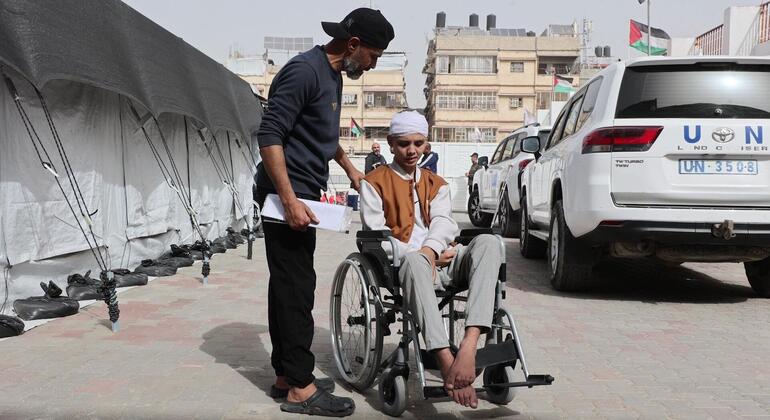
The recent limited reopening of the Rafah crossing allows some travel for certain categories of individuals, such as medical patients, students, and those with urgent humanitarian needs. This move comes after months of intense negotiations and international pressure, reflecting a small step towards easing the severe restrictions that have defined life in Gaza.
The Mixed Response: Hope and Trepidation
Hope for Relief
For many Gazans, the reopening symbolizes a glimmer of hope. With numerous families separated by the border, the opportunity to reunite with loved ones is significant. Medical patients, in particular, have faced harrowing challenges in accessing critical treatments outside of Gaza. The Rafah crossing reopening presents an opportunity for better access to essential healthcare and services that have long been denied.
Underpinning Anxiety
Despite this newfound hope, trepidation reigns supreme. The limited nature of the reopening raises questions about its sustainability and what it truly means for everyday life in Gaza. Many individuals are cautious, fearing that this could be a temporary reprieve rather than a lasting solution. The anxiety stems from several factors:
- Security Concerns: The geopolitical landscape remains volatile, with fears that escalations in conflict could lead to the renewed closure of the crossing.
- Inconsistent Regulations: The unpredictability surrounding who has permission to cross creates uncertainty. Many remain uncertain if they will qualify for passage, leading to emotional distress and frustration.
- Future AID: The opening of Rafah may allow for limited humanitarian aid to trickle in, but many experts warn that a long-term solution requires comprehensive negotiations involving all parties to ensure consistent and sufficient aid delivery.
Humanitarian Impact: The Bigger Picture
Ongoing Humanitarian Crisis
Gaza faces a multifaceted humanitarian crisis exacerbated by the blockade. The limited availability of food, clean water, medical supplies, and electricity has led to severe humanitarian consequences. The Rafah crossing’s opening, even intermittently, can help alleviate some immediate needs but cannot address the systemic issues that have plagued the region for years.
Role of International Organizations
International organizations have been vocal about the need for sustained access to Gaza. The World Health Organization (WHO), Red Cross, and various NGOs stress the importance of continuous humanitarian access to ensure the well-being of the population. The reopening of Rafah should serve as a catalyst for renewed discussions focused on a more permanent and effective humanitarian response.
Political Dynamics: A Complicated Landscape
The Egyptian Role
Egypt plays a crucial role as a mediator in the Palestinian-Israeli conflict and as gatekeeper to the Rafah crossing. While their cooperation in reopening the crossing has brought some immediate relief, their stance on the blockade and the political nuances surrounding the border are vital to understand. The degree of access will ultimately depend on the evolving relationships between Egypt, Israel, and various Palestinian factions.
Gaza’s Leadership
Leadership within Gaza, particularly Hamas, has significant implications for crossing operations. Their negotiation capabilities and political strategies will influence the reopening’s longevity and the broader political landscape. A cohesive Palestinian strategy that includes various factions may foster a more sustainable dialogue with Egypt and Israel.
The Path Forward: Sustainable Solutions
Advocating for Open Borders
For real, lasting change, the current limited reopening must pave the way for more substantial reforms. Advocacy for open borders and consistent aid access should be paramount in discussions involving stakeholders, including regional powers and international bodies.
Cross-Border Cooperation
Fostering dialogue between Palestinian factions could help build trust among key players. Building a coalition that presents a united front for negotiation can improve prospects for more comprehensive agreements with Israel and Egypt.
Engaging the Global Community
The global community must remain engaged in the situation. Diplomatic efforts focused on long-term peace and a sustainable humanitarian framework are crucial. Additionally, humanitarian aid campaigns must continue, addressing the immediate needs of the Gazan populace while working towards lasting political solutions.
Conclusion
The reopening of the Rafah crossing, though a small victory for the people of Gaza, is just one aspect of a far more extensive struggle for freedom and autonomy. While it brings immediate relief to some, it also stirs immense trepidation regarding the future. Optimism must be balanced with caution as residents navigate a complex and often perilous landscape shaped by history, politics, and human resilience. Ultimately, the path forward will depend on sustained engagement and collaboration among all stakeholders involved. The community, both local and global, must advocate for solutions that not only alleviate immediate suffering but also pave the way for a brighter future in Gaza.
For more details and the full reference, visit the source link below:
Read the complete article here: https://news.un.org/feed/view/en/story/2026/02/1166872