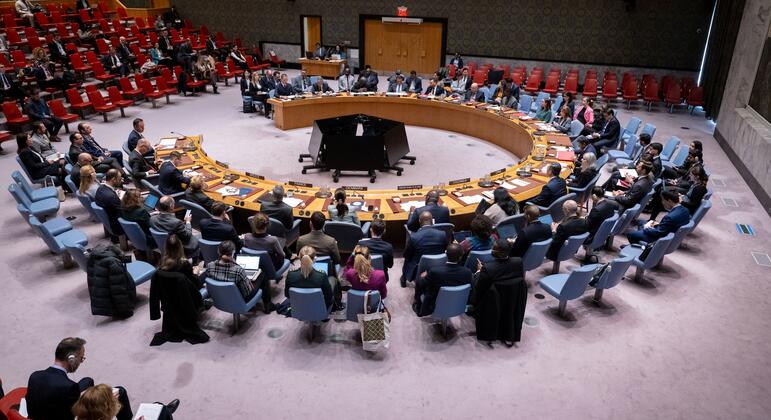

Security Council LIVE: Central Africa in the Spotlight
Introduction
The United Nations Security Council (UNSC) plays a crucial role in global governance, particularly in maintaining international peace and security. Central Africa, a region often plagued by conflict and humanitarian crises, is currently under the spotlight. This article delves into the key issues affecting Central Africa, with a specific focus on the outlawed Lord’s Resistance Army (LRA), and the efforts being made by the UNSC and other international entities to address these challenges.
Understanding Central Africa’s Geopolitical Landscape
Central Africa is a diverse region comprising several countries, including the Central African Republic (CAR), the Democratic Republic of the Congo (DRC), Cameroon, and others. The region’s complex socio-political history has given rise to a plethora of conflicts, often fueled by ethnic tensions, resource-driven violence, and political instability. The UNSC’s involvement in Central Africa is critical to mitigating these issues and ensuring peace.
The Lord’s Resistance Army: A Brief Background
Origins and Ideology
The Lord’s Resistance Army (LRA) was formed in the late 1980s in Uganda by Joseph Kony. Initially, the group claimed to be fighting for a government based on the Ten Commandments, but over the years, it has turned into a violent militia known for its atrocities. Since its inception, the LRA has expanded its operations beyond Uganda, engaging in abduction, rape, and the forced conscription of children as soldiers.
The LRA’s Current State
While the LRA’s power has declined over the years, it remains a significant concern for Central Africa. The group’s activities now extend to countries like the CAR and South Sudan, where it continues to carry out attacks on civilians. This extended reach puts thousands at risk and complicates regional security dynamics.
UNSC Measures and Interventions
Sanctions and Military Action
The UNSC has implemented various measures to contain the LRA, including sanctions against its leaders and support for military operations aimed at dismantling the group’s infrastructure. The African Union, with backing from the UNSC, has deployed a regional task force to combat the LRA and restore order in affected areas.
Humanitarian Efforts
In addition to military action, the UNSC has emphasized the importance of humanitarian assistance to communities affected by the LRA. Aid organizations have been mobilized to provide food, shelter, and medical assistance to displaced populations. The UNSC’s humanitarian agencies work tirelessly to ensure that aid reaches those who need it most.
The Human Cost of Conflict
Displacement and Human Rights Violations
The ongoing violence perpetrated by the LRA has resulted in widespread displacement. Hundreds of thousands of people have been forced to flee their homes, leaving them vulnerable and without basic necessities. Reports of human rights violations, including sexual violence and torture, have emerged, painting a grim picture of the human toll taken by the LRA’s actions.
The Role of Women and Children
Women and children are disproportionately affected by the LRA’s campaigns. Girls are often abducted and subjected to sexual slavery, while boys are forced to join the ranks of child soldiers. The psychological impact of such trauma lasts long after victims are freed, necessitating extensive rehabilitation programs funded by international bodies and NGOs.
Regional Cooperation and Challenges
Collaborative Efforts
One of the most promising strategies in combating the LRA is enhancing regional cooperation. Countries in Central Africa are starting to work together to share intelligence, resources, and strategies. This collaboration is pivotal for the success of military operations and humanitarian interventions.
Persistent Challenges
Despite the gains made, many challenges remain. Corruption, weak governance, and lack of resources hinder effective coordination among Central African states. Additionally, the porous borders make it easy for the LRA and other armed groups to evade capture and continue their nefarious activities.
The Future of Central Africa’s Security Landscape
Prospects for Peace
The road to peace in Central Africa is undoubtedly bumpy, but there are glimmers of hope. The ongoing dialogues, combined with international support, can lay the groundwork for lasting stability. The UNSC’s attention on the region emphasizes its importance globally and sets the stage for concerted actions.
The Role of Civil Society
Civil society organizations also play an instrumental role in fostering peace. Community-based approaches to conflict resolution and rehabilitation can pave the way for sustainable solutions. By empowering local voices, there is a better chance of addressing the root causes of conflict and creating a more secure environment.
Conclusion: A Call to Action
As the UNSC continues to focus on Central Africa, it is imperative for the international community to rally behind the efforts to dismantle the Lord’s Resistance Army and bring peace to the region. Addressing the humanitarian needs and promoting regional collaboration are essential components of this mission. The future of Central Africa depends on our collective action today.
Keywords for SEO Optimization
- United Nations Security Council (UNSC)
- Central Africa
- Lord’s Resistance Army (LRA)
- African Union
- humanitarian crisis
- child soldiers
- regional cooperation
- peacebuilding
- human rights violations
- community-based approaches
By incorporating these keywords naturally into the content and maintaining a focus on providing valuable information, this article is optimized for search engines and will enhance visibility for readers seeking insights into security issues in Central Africa.
For more details and the full reference, visit the source link below:
Read the complete article here: https://news.un.org/feed/view/en/story/2026/06/1167680

