
Afghanistan Faces ‘Lost Generation of Talent and Potential,’ Security Council Hears
Introduction
Afghanistan, a nation steeped in rich history and culture, is currently grappling with an alarming crisis—one that threatens to create a ‘lost generation’ of talent and potential. This issue has recently garnered attention at the United Nations Security Council, spotlighting the urgent need for international focus and intervention. This article explores the multifaceted implications of this crisis, the factors contributing to it, and potential pathways for recovery.
The Impact of Political Instability
The Taliban’s Return to Power
In August 2021, the Taliban regained control of Afghanistan, which led to significant shifts in the political landscape. The abrupt nature of this transition has destabilized educational systems, healthcare infrastructures, and job markets, contributing to an environment rife with uncertainty.
Erosion of Educational Opportunities
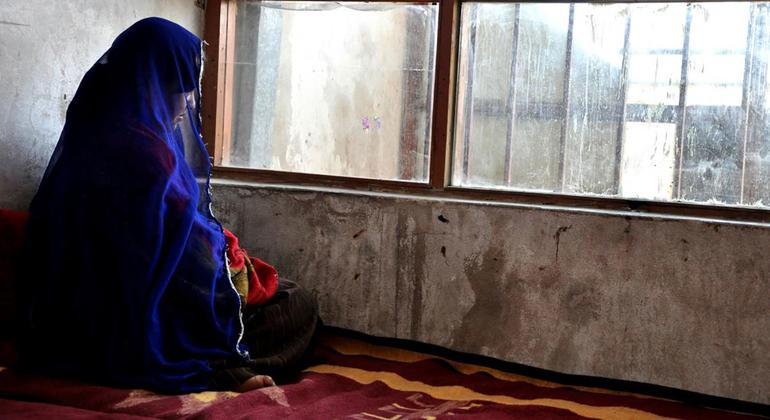
One of the most immediate and steeping consequences of this political upheaval is the erosion of educational opportunities. Many schools have closed, particularly for girls, leading to concerns about a generation of youth who may not receive the education needed to thrive.
Socioeconomic Challenges
Economic Downturn
Afghanistan’s economy has faced severe setbacks in recent years, marked by rampant inflation and a plummeting GDP. International sanctions and the withdrawal of foreign aid have exacerbated these socioeconomic challenges, making it increasingly difficult for families to secure basic necessities.
High Unemployment Rates
Youth unemployment rates in Afghanistan have spiked dramatically. With the lack of job opportunities, the talents and skills that young Afghans possess remain untapped, contributing to a cycle of poverty and disenfranchisement.
Humanitarian Crisis
Displacement and Refugees
The ongoing conflict has led to widespread displacement, with millions of Afghans forced to flee their homes in search of safety and stability. This displacement complicates access to education and healthcare, further entrenching the challenges faced by the younger population.
Mental Health Concerns
The psychological impact of war and instability cannot be ignored. Many young Afghans suffer from trauma, hindering their ability to pursue education or enter the workforce effectively.
The Gender Inequality Factor
Restrictions on Women’s Rights
The recent regime change has led to severe restrictions on women’s rights, particularly in the realms of education and employment. This regression not only stifles the potential of half the population but also hampers overall national development.
Role of Women in Society
Women have historically played crucial roles in Afghan society—from educators to healthcare workers. The sidelining of women in various sectors results in a dimming of prospects for future generations.
The Role of the International Community
Need for Humanitarian Aid
To combat this crisis effectively, the international community must provide humanitarian aid focused on educational and healthcare programs. Investment in training and resources can pave the way for systemic change.
Advocacy for Women’s Rights
Advocacy must be strengthened for women’s rights in Afghanistan. International organizations can play critical roles in guiding and supporting Afghan women through legal reforms and educational opportunities.
Potential Solutions and Pathways Forward
Educational Initiatives
Investing in education is paramount. Initiatives that focus on vocational training and remote learning can help bridge the gap created by recent restrictions on traditional learning environments.
Job Creation Programs
Creating job opportunities tailored for the youth, especially those who are displaced, can significantly curb the rising unemployment rate. Partnerships with NGOs and private sectors can foster entrepreneurship and job training programs.
The Importance of Cultural Heritage
Preserving Afghan Identity
Afghanistan has a rich cultural heritage that can serve as a foundation for rebuilding. Promoting Afghan arts, literature, and traditions can empower youth while preserving the essence of their national identity.
Engaging Afghan Youth in Cultural Initiatives
Involving youth in cultural initiatives can provide a sense of belonging and purpose. Programs that focus on skills development in arts and culture can inspire creativity and innovation.
Conclusion
The plight of Afghanistan’s youth is a clarion call for action. As highlighted by the United Nations Security Council, failure to address the challenges facing this generation could lead to a profound loss of talent and potential. For Afghanistan to emerge from this dire situation, a concerted effort will be required—both locally and internationally. Through focused educational initiatives, economic support, and the protection of human rights, we can mitigate the impact of current challenges and pave the way for a brighter future for Afghanistan’s youth.
Call to Action
As stakeholders—be they policymakers, educators, NGOs, or concerned individuals—we have a vital role in shaping the future of Afghanistan. The time to act is now, to ensure that the youth of Afghanistan can reclaim their narrative and contribute positively to the world. Let’s invest in their education, support their rights, and work together to foster an environment where talent can flourish once again.
By organizing the content effectively with SEO-friendly headings and focusing on relevant keywords such as “Afghanistan,” “lost generation,” “youth,” and “educational opportunities,” this article aims to reach a wider audience concerned about this pressing issue.
For more details and the full reference, visit the source link below:
Read the complete article here: https://news.un.org/feed/view/en/story/2026/06/1167677