
Rising Tensions Along the Blue Line: Insights from UN Mission Reports
Introduction
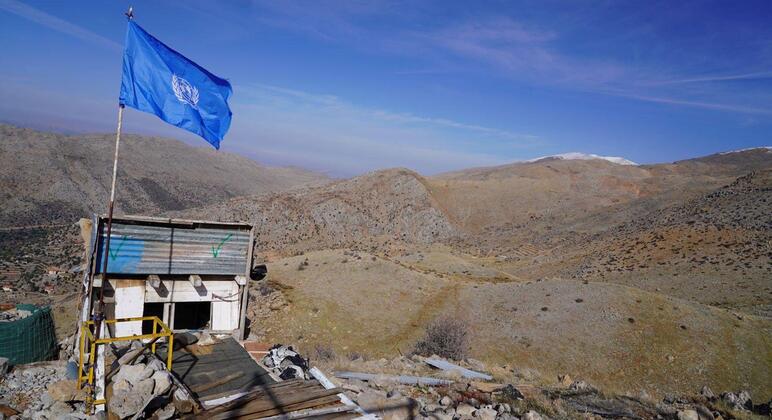
The Blue Line, which serves as the de facto border between Lebanon and Israel, has been a focal point of tension for decades. Recent reports from United Nations missions indicate a troubling rise in hostilities and skirmishes along this sensitive area. This article delves into the details of the UN mission reports, analyzing the underlying causes of these tensions, their implications for regional stability, and the role of the international community in addressing these challenges.
Understanding the Blue Line
The Blue Line was established in 2000 following Israel’s withdrawal from southern Lebanon. It was delineated by the United Nations to confirm the withdrawal and assist in maintaining peace in the region. However, the line’s designation has not brought lasting stability, as both countries have differing interpretations of its meaning and enforcement.
Historical Context
Tensions along the Blue Line have historical roots dating back to numerous Arab-Israeli conflicts. The complex interplay of territorial disputes, political aspirations, and sectarian divides continues to fuel animosity between Lebanon and Israel. The presence of the Lebanese militant group Hezbollah adds another layer of complexity, as it often clashes with Israeli Defense Forces (IDF).
Key Findings from UN Mission Reports
Increase in Military Skirmishes
Recent UN mission reports indicate a notable increase in military skirmishes along the Blue Line. According to these reports, the frequency of unauthorized crossings and artillery fire has escalated, creating a volatile environment that threatens to spiral out of control.
Violations of the Ceasefire
Both parties have been accused of violating the 2006 ceasefire agreement formulated after the Second Lebanon War. UN peacekeepers have highlighted that these violations often result in retaliatory actions that exacerbate an already tense situation. This cycle of provocation and retaliation poses serious risks for civilian safety along the border.
Humanitarian Impact
The rising tensions along the Blue Line have severe humanitarian implications. Civilians living in border areas often find themselves caught in the line of fire. UN reports have documented incidents of displacement and casualties, further aggravating the humanitarian crisis in Lebanon and contributing to the ongoing refugee situation.
The Role of Hezbollah
Influence and Power Dynamics
Hezbollah’s presence along the Blue Line is a crucial factor in understanding the rising tensions. The group views itself as a resistance movement against Israel, leading to a nationalistic fervor that complicates diplomatic negotiations. The military capabilities that Hezbollah has acquired, notably through Iranian support, pose a tactical challenge for the IDF and exacerbate fears of a larger conflict.
Impact on Lebanese Politics
The influence of Hezbollah extends into Lebanese politics, where they wield significant power. This dual role of being both a military and political entity complicates any efforts to de-escalate tensions, as any perceived weakness in confronting Israel could lead to domestic challenges for the Lebanese government.
International Response
Diplomatic Efforts
The United Nations has been actively involved in mediating tensions along the Blue Line. Diplomatic efforts to reinforce the ceasefire and improve communications between both parties are ongoing. Recent reports emphasize the importance of dialogue and conflict resolution strategies to minimize misunderstandings.
Role of Regional Players
Countries in the Middle East, particularly Iran and Syria, have strategic interests in the ongoing tensions along the Blue Line. Their involvement complicates the landscape and may hinder international diplomatic efforts to achieve stability. Conversely, support for Lebanon from various international agencies has sought to fortify its governance structures and humanitarian response systems.
The Need for Sustainable Solutions
While immediate measures can help mitigate tensions, UN mission reports consistently stress the need for sustainable, long-term solutions. Addressing the root causes of the conflict, including territorial disputes, governance issues, and socioeconomic challenges, is essential for lasting peace.
The Future of Peace Along the Blue Line
Possibility of Future Conflicts
The current trajectory suggests that without a concerted effort from both local and international actors, future conflicts along the Blue Line are a real possibility. The recurrence of military skirmishes can spiral into a larger confrontation, threatening not just Lebanon and Israel but potentially affecting the region as a whole.
Importance of Peacekeeping Forces
The UN’s peacekeeping forces, specifically UNIFIL (United Nations Interim Force in Lebanon), play a pivotal role in maintaining a semblance of order along the Blue Line. Their presence encourages dialogue and helps to prevent incidents from escalating into broader conflict. The reports call for increased support for these forces to enhance their operational capabilities and engagement strategies.
Conclusion
The rising tensions along the Blue Line, as highlighted in ongoing UN mission reports, serve as a reminder of the fragile state of peace in the region. Key issues stemming from historical grievances, the influence of Hezbollah, and geopolitical interests complicate the landscape. While immediate conflict resolution strategies are essential, addressing the fundamental causes of tension will be critical for sustainable peace. As global actors continue to assess the evolving situation, it is clear that a collaborative and informed approach is vital for lasting stability in Lebanon and the broader region.
SEO Keywords
- Blue Line tensions
- UN mission reports
- Lebanon-Israel conflict
- Hezbollah influence
- Humanitarian impact
- UN peacekeeping forces
- Middle East stability
- Ceasefire violations
This comprehensive analysis invites further discussion about the dynamics at play along the Blue Line and emphasizes the urgent need for effective international intervention.
For more details and the full reference, visit the source link below:
Read the complete article here: https://news.un.org/feed/view/en/story/2026/06/1167625